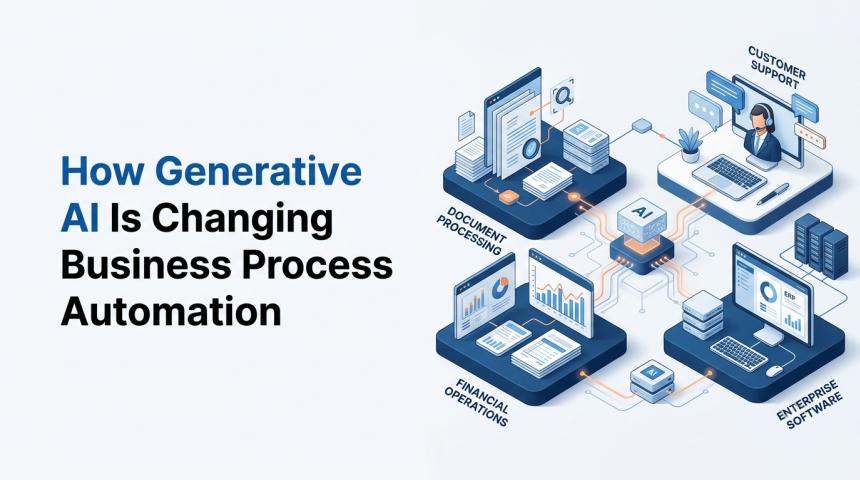

Customer support service has changed a lot in recent decades. The process was previously a tedious manual process that needed phone calls and physical mentorship; now it is high-tech and advanced. This transformation is due to digital communication channels and consumers' greater expectations for fast, accurate, and customised service. Automation has largely triggered this transformation. Automation in customer care software is becoming standard in business communication.
Enhancing Efficiency and Speed of Resolution
Customer support software automation improves efficiency. Long wait times, manual ticket triage, and superfluous encounters plague traditional customer service. Automation sorts and prioritises enquiries by substance, urgency, and client profile to handle these difficulties. A system can automatically route invoicing, technical, or general enquiries to the correct department or individual.
Automatic triage speeds up ticket response by ensuring tickets go to the proper personnel and reduces wait times. Automated pre-written replies or sophisticated knowledge base searches can help answer frequent questions. This reduces the amount of tickets people must review. Many businesses rely on CRM systems UK to streamline their customer relationships and boost sales.
Personalising Customer Interactions Through Automation
Automation doesn't make service less personal, as many believe. Modern customer service automation aims to personalise large-scale interactions. CRM data and past interactions may be used by automated algorithms to personalise responses and suggestions. AI algorithms analyse historical support issues, consumer purchases, and opinions to provide relevant assistance.
A consumer who comes back to an automated support system may be greeted by name, have their last purchase highlighted, and get information about the product or service without having to ask. Clients are satisfied with personalised treatment because it makes them feel appreciated, which builds loyalty.
Supporting Omnichannel Customer Engagement
The company customers interact with one another through email, chat, social media, phone, as well as the messaging application. This omnichannel environment could make it hard to keep track of everything by hand, which could lead to misunderstanding. Automation is quite important for making sure that clients have a smooth experience across all of these channels.
Customer support automation gathers queries from all channels into a dashboard. To ensure availability, it tags and routes them automatically. Automatic email answers can swiftly recognise and update communications, and bots can initiate social media or messaging app discussions. This uniform approach minimizes the risk of it not arriving or being received twice and also the assurance that the clients will receive the same level of quality without regard to the mode in which they contact us.
Reducing Costs and Increasing Scalability
Automation of customer support software saves companies money. You need fewer support people to handle enquiries when you automate repetitive tasks. With this efficiency, firms may swiftly expand their support operations without hiring more people or spending more money.
Automation lets smaller teams handle increases in demand, such when a new product comes out or around the holidays, without lowering quality. Through robotics, the number of errors and wastage during operations is reduced hence making the support processes easier to plan and execute.
Enabling 24/7 Customer Support Availability
It is terrific that automation can assist people at any time of the day. Unlike human operators who need breaks and shifts, chatbots and IVR can work 24/7. Customers may obtain advice immediately, regardless of time zone, which is very useful for international clients.
AI-searched FAQs and knowledge bases allow customers to self-serve without waiting for a person. Customer satisfaction and ticket reduction are increased by this 24/7 service, which redirects straightforward queries.
Improving Data Collection and Insights
For data collection and analysis, customer care software automation is crucial. Every interaction is recorded by automated systems to improve products, services, and support.
Automated analytics systems monitor response times, resolution rates, and customer satisfaction. Management uses this information to identify issues, agent productivity, and customer issues. There is also the possibility of using predictive analytics based on machine learning that can help potentially predict the future and advise on something that could be done to enhance the user experience.
Challenges and Considerations in Implementing Automation
In spite of the many advantages associated with it, automated customer support is not without problems. Plan cautiously before automating to avoid losing clients or simplifying complex situations. Using technology to improve efficiency while retaining the human touch that many consumers value is tricky.
When automated answers don't function, users might feel furious, especially when bots don't understand nuances or how to escalate problems. Companies must ensure that automation works with human control and that escalation handoffs are seamless.
When automated support, data privacy and security are crucial. Automation that handles sensitive customer data must follow stringent data protection laws and have robust cybersecurity.
The Future of Automation in Customer Support
As technology becomes better, customer support software will do more things on its own. Better AI and natural language understanding will make interactions more like those between people. They think there will be predictive help, mood recognition, and voice assistants.
The automation will also simplify the work of the customer service with the sales, marketing, and product development. The final component of the customer experience ecosystem is this. Automation will allow companies to attend to several customers faster, better, and more personally which will alter the needs of customers, providing them with a competitive advantage over other competitors.
Final Thoughts
In conclusion, customer support software is more efficient, customisable, scalable, and available as a result of automation. Professional aid is rather proactive, information-based, and customer-centered instead of the reactionary and manual approach.
Despite faults, intelligent automation can assist companies to meet consumer expectations, reduce the overheads and remain viable in the ever-evolving marketplace. Great customer service is always going to require automation as technology continues to improve.