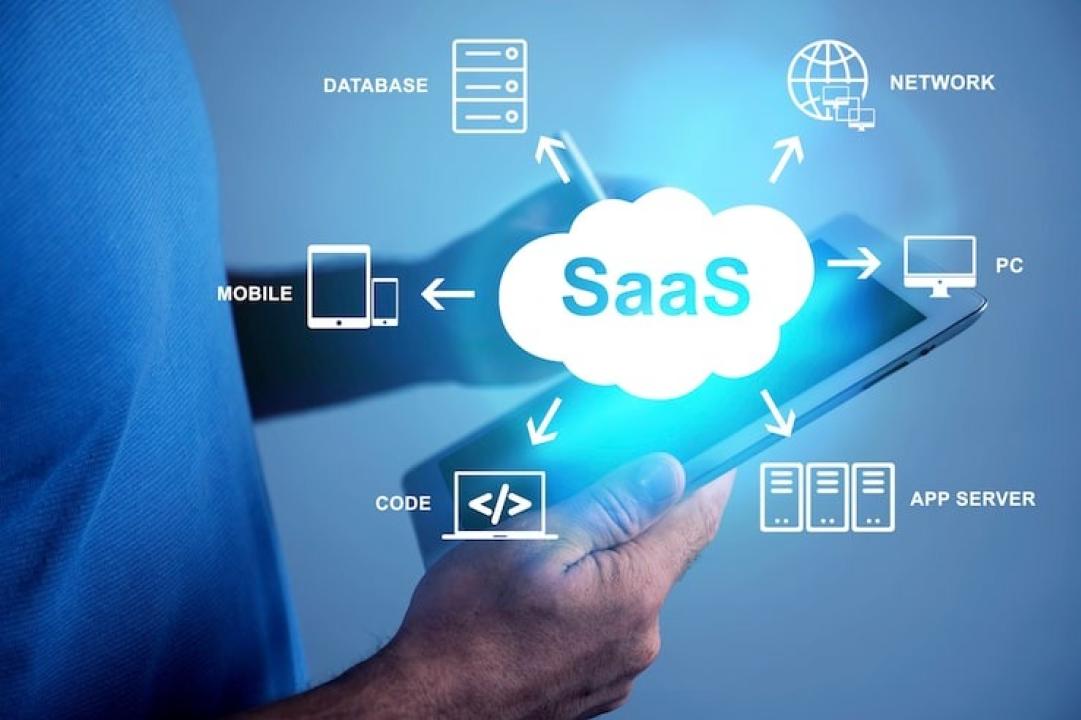
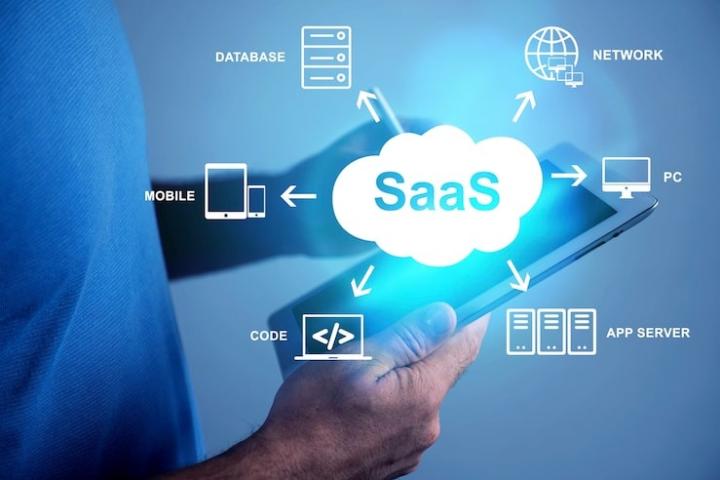
In 2025, competition in the SaaS space is fierce, and your technology stack is more than just a set of tools—it’s the foundation of your product’s success. The right modern SaaS development tech stack can make your platform scalable, secure, and ready to integrate the latest innovations like AI and multi-cloud architectures.
For companies offering SaaS development services, selecting a future-proof stack is essential for delivering products that meet evolving market demands while staying cost-efficient. Let’s explore why your choice matters and the top 10 tech stacks dominating the SaaS landscape this year.
Why the Right Tech Stack is Critical for SaaS Success
Your tech stack impacts more than just code—it shapes your product’s long-term viability.
Scalability: Handle growth without costly rewrites.
Performance: Deliver fast, reliable user experiences.
Security: Protect sensitive user data in compliance with regulations.
Choosing the wrong stack can mean higher maintenance costs, slower development cycles, and limited adaptability. In the fast-changing SaaS technology trends 2025, the wrong foundation can be a costly mistake.
Key Factors to Consider Before Choosing Your SaaS Tech Stack
1. Business Goals and User Base
Your target audience’s needs should guide stack decisions. An enterprise-focused product may require an enterprise-grade scalable SaaS architecture, while a startup MVP benefits from a rapid prototyping framework.
2. Scalability Requirements
If you expect rapid growth, prioritize frameworks and databases that scale horizontally.
3. Integration and API Strategy
An API-first SaaS platform ensures your product can integrate with third-party tools, enabling faster ecosystem growth.
The 10 Must-Have Tech Stacks for Modern SaaS Development in 2025
1. React + Node.js + PostgreSQL
A battle-tested combination for high-performance web apps. React offers dynamic UI capabilities, Node.js handles concurrent requests efficiently, and PostgreSQL delivers reliability with advanced indexing.
2. Next.js + Prisma + MySQL
Next.js provides SEO-friendly rendering, Prisma simplifies database access, and MySQL is a trusted choice for structured data storage. Ideal for cloud-based SaaS tools targeting content-heavy platforms.
3. Vue.js + Laravel + PostgreSQL
Great for rapid MVPs, Vue.js offers a lightweight frontend, Laravel provides robust backend APIs, and PostgreSQL ensures transactional reliability.
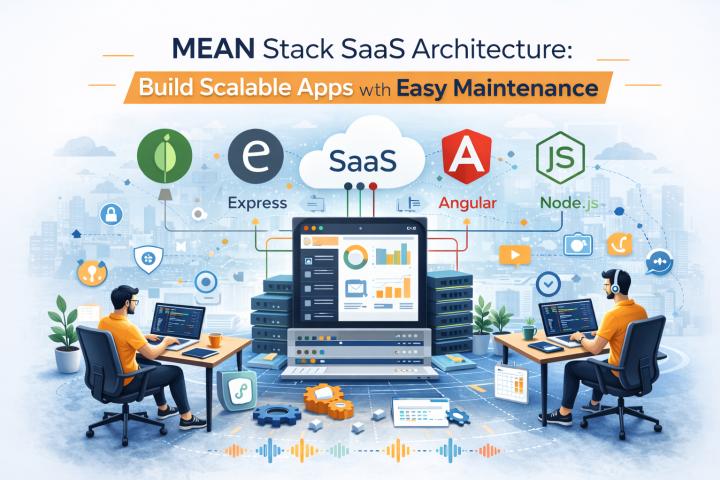
4. Angular + Spring Boot + MongoDB
A favorite for enterprise SaaS, Angular delivers structured front-end architecture, Spring Boot powers secure Java backends, and MongoDB scales well for unstructured data.
5. Flutter + Firebase
Perfect for cross-platform SaaS apps, Flutter ensures native performance on mobile and web, while Firebase offers hosting, authentication, and real-time databases without managing infrastructure.
6. Python Django + React
Django’s built-in admin, ORM, and security features make it ideal for AI in SaaS development, especially when paired with React for interactive frontends.
7. Go + gRPC + CockroachDB
Go delivers ultra-fast execution, gRPC ensures efficient service-to-service communication, and CockroachDB provides globally distributed database capabilities for scalable SaaS architecture.
8. Ruby on Rails + PostgreSQL
Rails accelerates prototyping, and PostgreSQL supports high-performance production scaling. Well-suited for startups needing to launch quickly.
9. AWS Lambda + Serverless Framework
A serverless approach reduces infrastructure costs, auto-scales on demand, and works well for SaaS with unpredictable traffic.
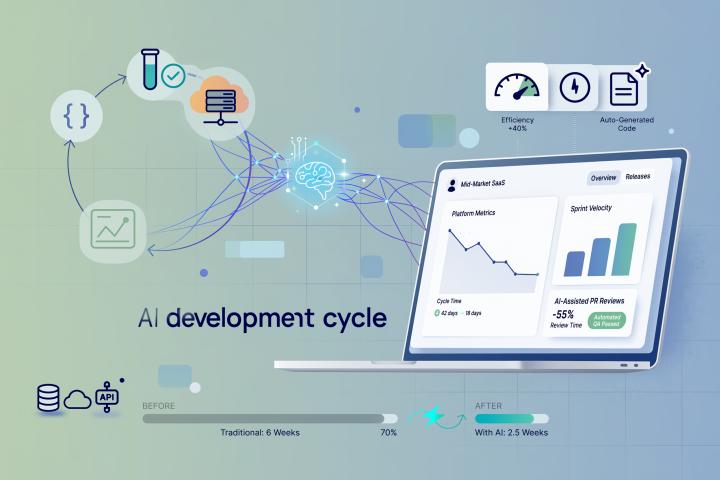
10. AI-Integrated Stack (OpenAI API + LangChain + Next.js)
Future-proof your platform by embedding AI capabilities from day one. OpenAI API enables natural language features, LangChain handles AI orchestration, and Next.js delivers responsive UIs.
SaaS Technology Trends Shaping 2025
AI Integration in SaaS Workflows — Automating insights, personalization, and customer support.
Multi-Cloud Adoption — Avoid vendor lock-in and increase resilience.
API-First Ecosystems — Make integration a first-class citizen in your architecture.
Low-Code & No-Code SaaS Platforms — Democratizing app creation for non-technical users.
How to Future-Proof Your SaaS Development Stack
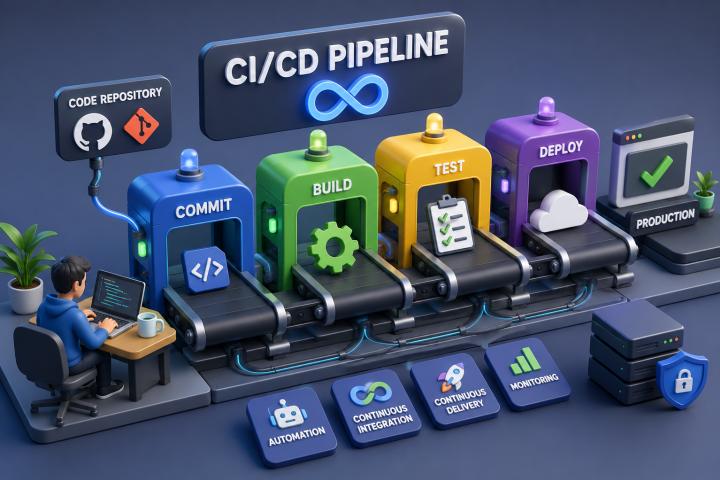
Continuous Integration & Delivery (CI/CD) — Deploy faster with confidence.
Security-First Approach — Build compliance into your stack from the start.
Flexible Architecture — Keep your stack modular to integrate new technologies easily.
Final Thoughts
The right modern SaaS development tech stack is your competitive advantage in 2025. Whether you’re building with React, Django, Go, or integrating AI from day one, your stack should align with your business goals and growth strategy.
By partnering with experienced SaaS development services, you can ensure your architecture is scalable, secure, and ready for the future. The stakes are high, but with the right foundation, your SaaS product can thrive in an increasingly demanding market.