
SaaS
marketing automation is no longer a “nice-to-have” for growing software
companies. It’s a core part of how modern SaaS businesses attract leads,
nurture prospects, convert users, and retain customers at scale. With longer
sales cycles, subscription-based revenue models, and intense competition, SaaS
brands need systems that work efficiently behind the scenes.
In this ultimate guide, we’ll break down what SaaS marketing
automation really means, why it matters, and how to build a strategy that
supports sustainable growth.
What Is SaaS Marketing Automation?
SaaS marketing automation refers to the use of software
tools and workflows to automate repetitive marketing tasks across the customer
journey. This includes activities such as email campaigns, lead nurturing,
onboarding sequences, customer segmentation, behavior tracking, and performance
reporting.
Unlike traditional businesses, SaaS companies rely on
subscriptions. That means the relationship with customers doesn’t end after a
purchase. Instead, it evolves. Marketing automation helps manage that ongoing
relationship—from the first website visit to long-term retention and upselling.
At its core, SaaS marketing automation connects marketing,
sales, and customer success efforts into one streamlined process.
Why SaaS Companies Need Marketing Automation
SaaS businesses operate in a fast-moving environment.
Prospects research multiple tools before making a decision. Free trials and
freemium models add complexity to the funnel. Users expect personalized
communication. And churn can quickly impact revenue.
Here’s why SaaS marketing automation is essential:
1. Longer Sales Cycles
Many SaaS products require education before purchase.
Automated email sequences and targeted content can nurture leads over weeks or
months without constant manual follow-up.
2. Scalable Lead Management
As traffic grows, it becomes impossible to manually track
every prospect. Automation tools score leads based on behavior and engagement,
helping sales teams focus on high-intent users.
3. Personalized User Journeys
Customers expect relevant communication. Marketing
automation allows segmentation by industry, company size, user behavior, or
lifecycle stage.
4. Reduced Churn
Retention is critical in SaaS. Automated onboarding, usage
reminders, and feature education help users see value quickly, increasing the
chances they stay subscribed.
Key Components of SaaS Marketing Automation
To build an effective strategy, you need to understand the
main building blocks.
Lead Capture and Segmentation
The journey starts when someone interacts with your brand.
Whether through content downloads, webinars, demos, or free trials, automation
tools capture user data and categorize leads based on predefined rules.
Segmentation allows you to send relevant messages instead of
generic campaigns. For example, trial users should receive different emails
than paying customers.
Email Workflows
Email remains one of the most powerful channels in SaaS
marketing automation. Automated workflows can include:
- Welcome
sequences
- Trial
onboarding emails
- Abandoned
sign-up reminders
- Product
education campaigns
- Re-engagement
emails
- Upsell
and cross-sell campaigns
These workflows ensure consistent communication without
manual effort.
Behavioral Tracking
Modern tools track user actions such as website visits,
feature usage, and email engagement. This data helps trigger personalized
responses. For instance, if a trial user hasn’t logged in for several days, an
automated reminder can be sent.
Lead Scoring
Lead scoring assigns points based on user behavior.
Downloading a guide, attending a webinar, or visiting a pricing page may
increase a lead’s score. When a lead reaches a certain threshold, sales teams
can step in.
Reporting and Analytics
Data-driven decision-making is essential. Automation
platforms provide insights into open rates, conversions, churn risk, and
campaign performance.
How to Build a SaaS Marketing Automation Strategy
A tool alone won’t solve your marketing challenges. You need
a clear strategy.
1. Map Your Customer Journey
Start by identifying key stages: awareness, consideration,
trial, conversion, onboarding, retention, and expansion. Understand what your
users need at each stage.
Ask yourself:
- What
questions do prospects have early on?
- What
objections prevent conversions?
- What
behaviors indicate churn risk?
Mapping this journey helps define where automation fits.
2. Define Clear Goals
Your SaaS marketing automation strategy should align with
business objectives. Common goals include:
- Increasing
trial sign-ups
- Improving
trial-to-paid conversion rate
- Reducing
churn
- Boosting
customer lifetime value
- Shortening
sales cycles
Be specific and measurable.
3. Choose the Right Tools
Select platforms that integrate with your CRM, product
analytics, and sales tools. Look for scalability, ease of use, and strong
reporting capabilities.
Avoid overcomplicating your tech stack. Start with essential
features and expand as needed.
4. Create Valuable Content
Automation amplifies content—but it can’t replace it. Your
emails, landing pages, and in-app messages should provide real value.
Educational guides, product tutorials, case studies, and helpful tips build
trust over time.
5. Test and Optimize
No workflow is perfect from day one. Run A/B tests on
subject lines, call-to-actions, and email timing. Monitor engagement and adjust
accordingly.
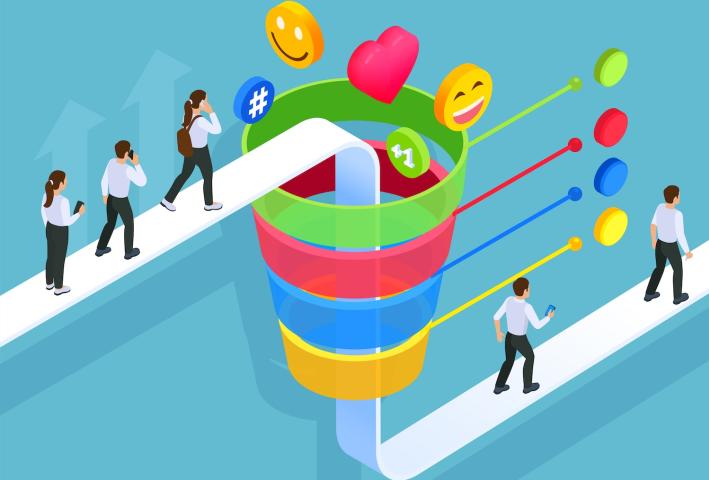
SaaS Marketing Automation for Different Funnel Stages
To fully understand SaaS marketing automation, it helps to
see how it applies across the funnel.
Top of Funnel (Awareness)
At this stage, focus on attracting and educating potential
users. Automated email sequences can deliver helpful blog posts, industry
insights, or downloadable resources.
The goal is to build trust, not push for an immediate sale.
Middle of Funnel (Consideration)
Prospects are evaluating options. Automation can deliver
case studies, feature comparisons, demo invitations, and product benefits
tailored to their interests.
Lead scoring becomes especially useful here.
Bottom of Funnel (Conversion)
Trial users and high-intent leads need targeted
communication. Onboarding sequences, product walkthroughs, and success stories
can increase conversion rates.
Post-Purchase (Retention and Expansion)
The work doesn’t stop after a sale. Automated onboarding
ensures new customers understand key features. Ongoing engagement campaigns
highlight advanced functionality, new releases, or upgrade options.
Common Mistakes to Avoid
Even with the right tools, mistakes can limit results.
Over-Automation
Too many emails or poorly timed messages can overwhelm
users. Automation should feel helpful, not intrusive.
Lack of Personalization
Sending generic campaigns defeats the purpose. Use
segmentation and behavioral data effectively.
Ignoring Customer Feedback
Data matters, but so does direct feedback. Monitor support
tickets, surveys, and user reviews to refine workflows.
Not Aligning Marketing and Sales
Automation works best when marketing and sales teams
collaborate. Define clear handoff points for qualified leads.
Measuring Success in SaaS Marketing Automation
To understand if your strategy is working, track key metrics
such as:
- Trial
sign-up rate
- Trial-to-paid
conversion rate
- Customer
acquisition cost
- Customer
lifetime value
- Churn
rate
- Email
engagement metrics
Regular performance reviews help identify bottlenecks and
improvement opportunities.
Final Thoughts
SaaS marketing automation empowers businesses to grow
efficiently while delivering personalized experiences at scale. It bridges the
gap between marketing, sales, and customer success, ensuring prospects receive
the right message at the right time.
The key is not just automation, but thoughtful automation.
Focus on understanding your audience, creating meaningful content, and
continuously optimizing your workflows.
When done right, SaaS marketing automation becomes a
powerful engine for sustainable growth—helping your company attract better
leads, convert more users, and build lasting customer relationships.