Everyday Encounters We Don’t Always Notice
The other day, I was at a railway station trying to check the schedule of my train. Instead of waiting in a long line at the inquiry counter, I tapped on a computer kiosk placed near the entrance. In less than 30 seconds, I had all the details—arrival time, platform number, and even a delay update. No staff needed, no waiting, no confusion.
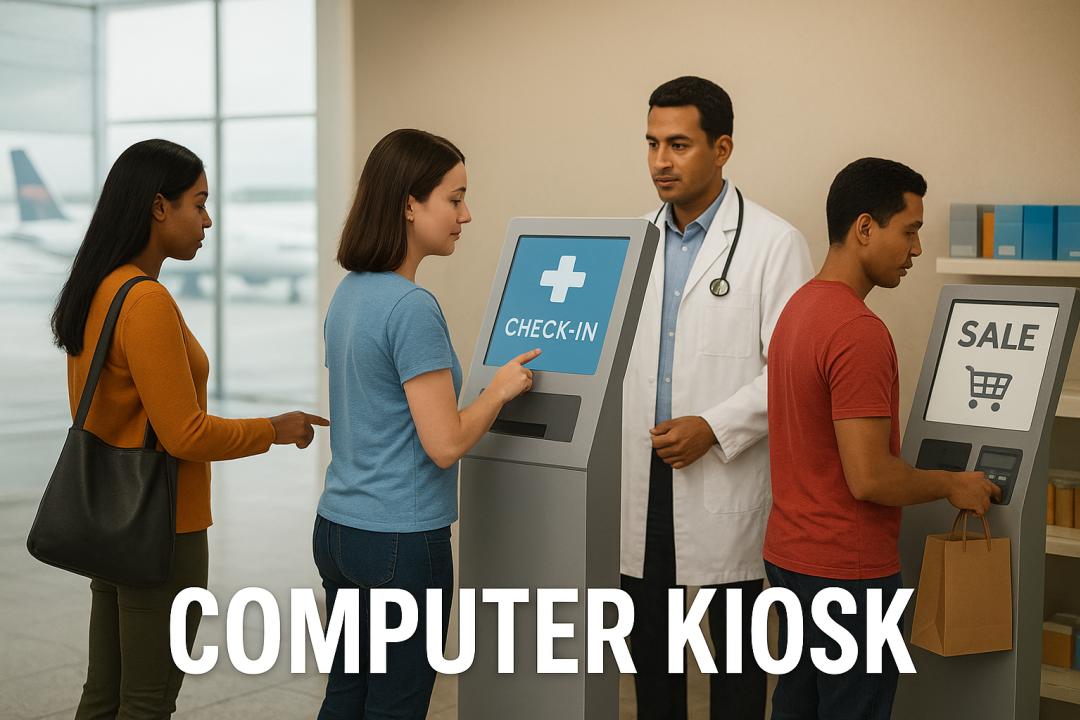
We come across these kiosks more often than we realize. At airports for check-in, in malls for information, in hospitals for patient registration, or even in fast-food outlets for self-ordering—they’re quietly solving problems for both customers and businesses.
What Exactly Is a Computer Kiosk?
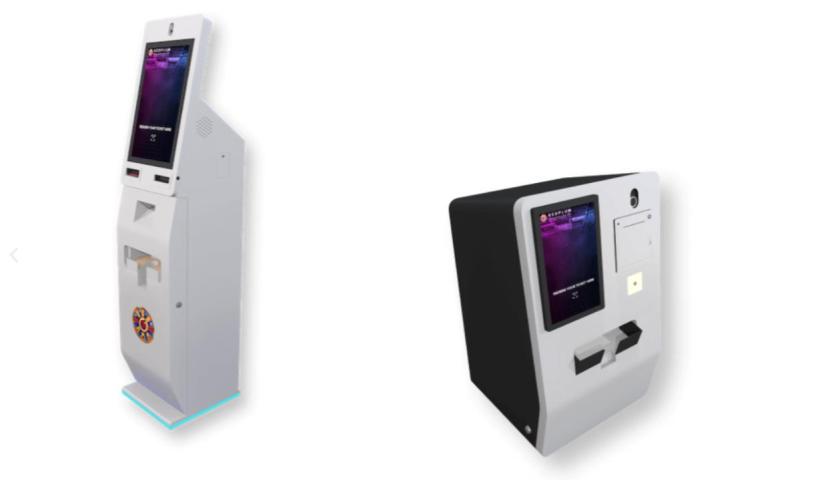
A computer kiosk is a standalone unit that allows people to interact with digital information or services. Think of it as a self-service kiosk solution for everyday needs station that works without constant human assistance. They come with a touchscreen, computer system, internet connection, and often a printer or scanner depending on their use.
Unlike traditional helpdesks or counters, kiosks are always available. They don’t get tired, they don’t take breaks, and they don’t mind answering the same question a hundred times a day.
The Problems They Solve
The biggest challenge for businesses today is balancing customer experience with operational efficiency. Computer kiosks step in here:
- Reducing queues – Instead of waiting in line, people get things done instantly.
- Saving manpower – Businesses don’t need to assign staff for repetitive tasks.
- Providing 24/7 service – Kiosks can run round the clock, even when staff isn’t available.
- Cutting costs – Less paperwork, less manual work, more digital automation.
And for the customer, the benefit is simple—convenience. No waiting, no depending on someone else, just direct access to what they need.
Real-Life Uses That Touch Our Lives
- Airports use kiosks for self-check-in and printing boarding passes.
- Hospitals deploy them for patient registration and appointment scheduling.
- Retail stores install kiosks for price checks and digital catalogs.
- Banks offer kiosks for balance inquiries, cash deposits, and fund transfers.
- Restaurants use them for quick self-ordering, cutting waiting times.
Each of these examples shows how a kiosk doesn’t just save time—it transforms the experience. A hospital visit feels less stressful, shopping becomes smoother, and travel becomes faster.
The Human Side of Kiosks
Now here’s the thing—people often worry that kiosks will “replace” human jobs. But the reality is, they actually support humans. By handling repetitive, time-consuming tasks, kiosks free up staff to focus on what matters most—personalized service.
For example, in a hospital, a kiosk can handle registrations, but it can’t comfort a worried family. That’s where nurses and staff step in. In restaurants, kiosks can take orders, but only humans can add the warmth of hospitality.
So rather than replacing people, kiosks empower them to do better work.
Why Businesses Are Choosing Kiosks
From a business perspective, kiosks are a smart investment. They reduce errors, cut down on operational costs, and improve efficiency. But beyond the numbers, they enhance brand image. Customers associate kiosks with professionalism and modern service. It shows that a business is keeping up with the times and cares about convenience.
And here’s another overlooked point—data. Every interaction with a kiosk gives businesses valuable insights into customer behavior. What people search for, what they order most, when they visit—all of this helps improve services in the future.
Final Thoughts
Computer kiosks might not grab attention like a big billboard or a fancy advertisement, but they work quietly in the background to make our lives easier. They solve real problems: long queues, limited staff, and wasted time.
Next time you use one—whether at an airport, hospital, or even a shopping mall—pause for a second. Notice how it has simplified a task that once took much longer. That’s the beauty of kiosks. They may be silent, but their impact is loud.
For businesses, adopting them isn’t just about technology—it’s about giving people what they value most: time and convenience.