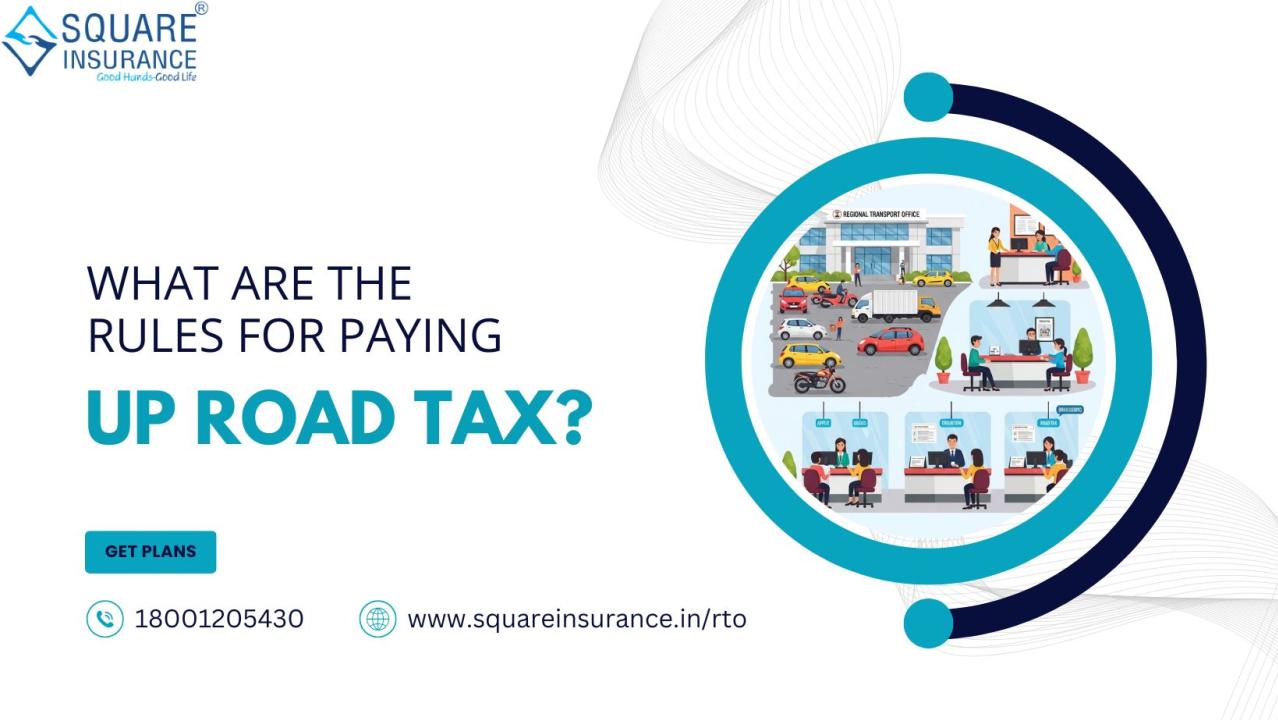
Owning a vehicle in Uttar Pradesh comes with certain
responsibilities, and one of the most important among them is paying road tax.
Road tax is a fee collected by the state government from vehicle owners for
using public roads. The funds collected are used to build, maintain, and
improve roads and related infrastructure, ensuring smooth travel for everyone.
For citizens, paying road tax on time is not just a legal
requirement but also a way of contributing to better roads and safer transport.
Let’s take a closer look at the rules for paying UP road tax, who has to pay
it, and how it works.
Why Is Road Tax Necessary?
Road tax ensures that those who use the roads contribute to
their upkeep. Since vehicles add to road wear and tear, the government collects
road tax as a fair share from owners. The amount of tax depends on several
factors, including vehicle type, cost, and usage.
In Uttar Pradesh, as in other states of India, the rules for
road tax are defined under the Motor Vehicles Act, 1988, and are managed by the
Regional Transport Office (RTO).
Who Has to Pay UP Road Tax?
Every vehicle owner in Uttar Pradesh is required to pay road
tax. This applies to both private vehicles (like cars and two-wheelers) and
commercial vehicles (like trucks, buses, and taxis).
- Private vehicles: Road tax is generally paid one time,
either for the lifetime of the vehicle or for a fixed period like 15 years.
- Commercial vehicles: Road tax may be collected quarterly,
yearly, or based on permits since they are used more frequently and often
across state borders.
If you bring a vehicle registered in another state into
Uttar Pradesh for more than 12 months, you will also need to pay road tax in
UP.
Factors That Decide Road Tax in Uttar Pradesh
The amount of road tax you pay depends on:
- Type of vehicle – Two-wheelers, cars, buses, trucks, and
taxis all have different tax rates.
- Vehicle cost/price – Higher-priced vehicles are charged
higher road tax.
- Usage – Private and commercial use are taxed differently
- Age of the vehicle – Older vehicles may attract lower tax in
some cases.
- Seating capacity or weight – For commercial vehicles, the
number of passengers or the weight they carry can affect tax.
How to Pay UP Road Tax
- UP road tax can be paid at the respective RTO office. In
most cases, dealers help new vehicle buyers pay the one-time tax at the time of
registration.
- For commercial vehicle owners, road tax can be paid
periodically. Payment receipts are issued as proof, which must always be
carried in the vehicle.
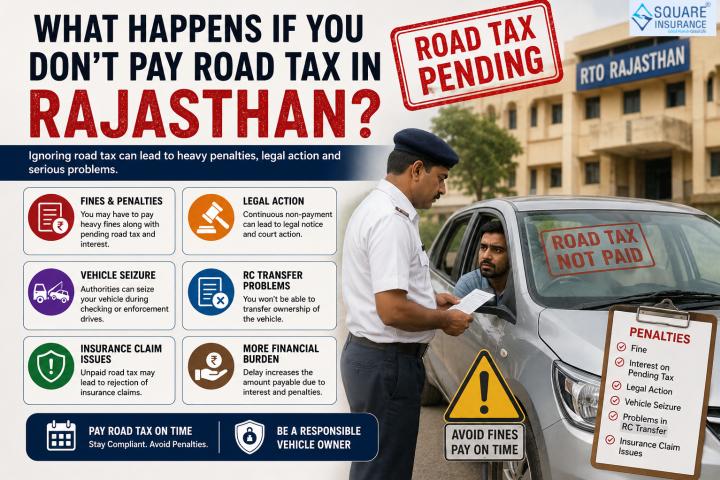
- Failure to pay road tax on time can lead to penalties,
fines, and in some cases, seizure of the vehicle.
Rules for Paying Road Tax in Uttar Pradesh
Here are the key rules every vehicle owner should know:
1. Road Tax Is Mandatory
- No vehicle can be used on public roads in UP without paying
road tax.
- It applies to both new and old vehicles.
2. Payment Is Linked to Registration
- Road tax must be paid before or at the time of vehicle
registration.
- A vehicle cannot be registered without clearing tax dues.
3. Lifetime vs. Periodic Payment
- Private vehicles: Usually require one-time lifetime road tax
(up to 15 years).
- Commercial vehicles: Often need to pay road tax quarterly,
yearly, or according to permit rules.
4. Out-of-State Vehicles
- If you bring a vehicle from another state and use it in UP
for more than 12 months, you need to register it locally and pay UP road tax.
- Proof like residence documents and vehicle papers are
required.
5. Penalties for Non-Payment
- Late payment or non-payment can result in heavy fines.
- In extreme cases, authorities may detain the vehicle until
the dues are cleared.
6. Refunds in Certain Cases
- If a vehicle is sold to another state or scrapped, owners
may apply for a road tax refund for the remaining period, subject to approval.
7. Tax Slabs Are Pre-Defined
- The state government decides the tax rates and slabs based
on engine capacity, cost, and category.
- These rates may change from time to time, and new vehicles
are taxed according to the current rates.
Example of How Road Tax Works
- A person buying a new two-wheeler in UP pays one-time road
tax at registration, valid for 15 years.
- A truck owner running a goods carrier pays quarterly road
tax, and if delayed, fines are added.
- Someone shifting to UP from another state with their car
will need to re-register the vehicle in UP and pay the applicable road tax.
Importance of Following Road Tax Rules
Following road tax rules benefits both the government and
citizens:
- For the government: It ensures funds are available for road
projects and traffic systems.
- For citizens: It provides legal ownership, avoids fines, and
ensures hassle-free driving.
- By paying road tax, citizens also take part in the
development of safer, smoother, and well-maintained roads across Uttar Pradesh.
FAQs on UP Road Tax
Q1. Who has to pay UP road tax?
Every vehicle owner in Uttar Pradesh, whether private or commercial, has to pay road tax. Out-of-state vehicles used in UP for more than 12 months also need to pay it.Q2. When is UP road tax paid?
For private vehicles, road tax is usually paid once at the time of registration (valid for 15 years). For commercial vehicles, it can be quarterly, yearly, or as per permit requirements.Q3. How is the UP road tax amount decided?
The amount depends on factors like the type of vehicle, price, usage (private or commercial), seating capacity/weight, and sometimes the vehicle’s age.Q4. Can I drive a vehicle in UP without paying road tax?
No, driving without paying road tax is illegal. It can lead to fines, penalties, or even seizure of the vehicle.Q5. What happens if I delay paying UP road tax?
Late payments attract penalties. The longer the delay, the higher the fine. In some cases, the vehicle may be detained until dues are cleared.Q6. Do I need to pay UP road tax for an out-of-state vehicle?
Yes, if the vehicle is brought to Uttar Pradesh and used there for more than 12 months, you must re-register it and pay UP road tax.Q7. Is there any refund of UP road tax?
Refunds may be possible if a vehicle is scrapped, sold, or permanently moved to another state. Approval depends on submission of valid documents to the RTO.Q8. Where can UP road tax be paid?
UP road tax is paid at the Regional Transport Office (RTO) during registration or renewal. Dealers often help new buyers complete this payment.Q9. What is the validity of road tax for private vehicles?
For private vehicles, the road tax is usually valid for 15 years. After that, renewal is required.
Q10. Why is paying UP road tax important?
Paying road tax ensures legal ownership, avoids penalties, and contributes to road development and maintenance across Uttar Pradesh.Related Article: https://www.promoteproject.com/article/198576/what-benefits-do-citizens-get-from-rto-bharuch-gj16
Conclusion
The rules for paying UP road tax are straightforward but essential to follow. Road tax is mandatory for all vehicle owners, whether the vehicle is for personal or commercial use. It must be paid at the time of registration or within the required period, depending on the type of vehicle. Out-of-state vehicles used in UP for more than a year also need to comply with these rules.
Paying road tax on time helps avoid penalties and contributes directly to better road infrastructure in Uttar Pradesh. For every vehicle owner, knowing and following these rules ensures smooth journeys and complete legal compliance. Along with fulfilling these responsibilities, it is equally important to keep your vehicle financially protected. Choosing trusted providers like Square Insurance can give you the peace of mind you need while driving on the road.