Quick commerce, or qCommerce, has revolutionized the retail and e-commerce industry by providing instant delivery services within minutes. From groceries and food to medicines and daily essentials, customers today demand speed, convenience, and a seamless shopping experience. For businesses, building a quick commerce app is no longer just an advantage—it’s a necessity to stay ahead in the competitive market.
In this guide, we’ll walk you through 5 essential steps to develop a quick commerce app that ensures scalability, user-friendliness, and profitability.
Step 1: Conduct Market Research and Define Your Niche
Before starting your quick commerce app development, it’s crucial to understand the target audience, competitors, and the products or services you want to offer. Some quick commerce niches include:
- Grocery delivery
- Restaurant meals & snacks
- Pharmacy & health essentials
- Personal care products
- Electronics & household items
Tips:
Study successful players like Blinkit, Gorillas, and Getir.
Identify customer pain points such as delayed delivery or poor user interface.
Define your unique selling point (USP)—for example, faster delivery times or hyperlocal product availability.
Step 2: Choose the Right Technology Stack
To build a quick commerce app, selecting the right technology is essential for speed, reliability, and scalability.
Recommended Tech Stack for qCommerce App Development:
- Frontend: React Native / Flutter for cross-platform compatibility.
- Backend: Node.js, Django, or Laravel for high performance.
- Database: PostgreSQL, MongoDB, or Firebase.
- Real-time Tracking: Google Maps API or Mapbox.
- Payment Gateways: Stripe, Razorpay, PayPal, or Apple Pay.
- Cloud Hosting: AWS, Google Cloud, or Azure for scalability.
This ensures your app delivers real-time updates, secure payments, and a smooth shopping experience.
Step 3: Design Intuitive User Interface & Features
A successful quick commerce app is all about user convenience. The UI should be simple, responsive, and fast-loading.
Must-have Features:
Customer App
- Easy sign-up/login
- Smart search & product filters
- Add to cart & quick checkout
- Live delivery tracking
- Multiple payment options
- Order history & reordering
Delivery Partner App
- Delivery requests & status updates
- GPS navigation support
- Earnings & payout tracking
Admin Panel
- Inventory & product management
- Customer and delivery partner management
- Real-time analytics & reports
Step 4: Integrate Logistics and Delivery Management
Fast delivery is the backbone of qCommerce app development. Without efficient logistics, even the best app will fail.
- Partner with hyperlocal delivery providers.
- Implement AI-based route optimization for faster delivery.
- Use geolocation to connect customers with the nearest store or warehouse.
- Enable real-time communication between customers and delivery agents.
This step ensures smooth last-mile delivery, which defines the success of your app.
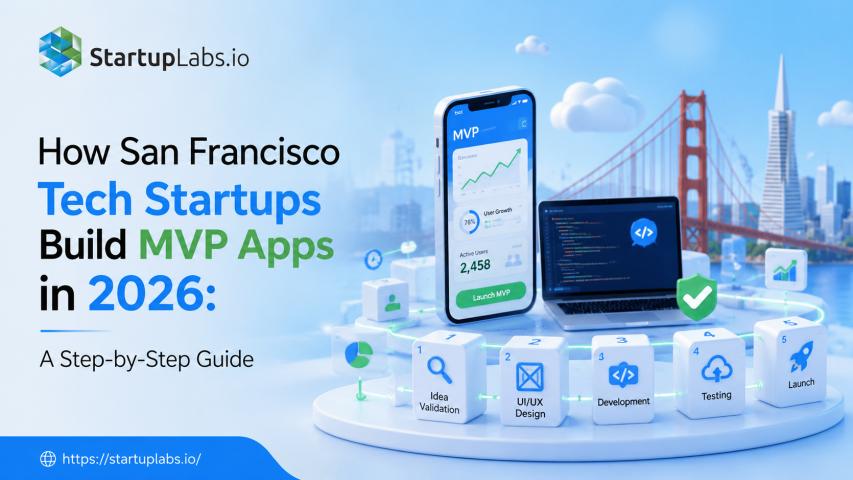
Step 5: Test, Launch, and Scale Your App
Before going live, thorough testing is crucial to fix bugs and ensure a seamless experience.
Testing Checklist:
- Performance testing (speed under heavy traffic)
- Security testing (payment & data encryption)
- Usability testing (ease of navigation)
- Compatibility testing (Android & iOS devices)
Once tested, launch the app with a marketing campaign targeting your ideal audience. Post-launch, continuously monitor user feedback and add new features like subscription models, loyalty rewards, and AI-based product recommendations.
Final Thoughts
Developing a quick commerce app requires a clear strategy, the right technology stack, and efficient logistics management. By following these 5 steps, businesses can successfully build a quick commerce app that offers speed, convenience, and a delightful shopping experience for customers.
If you’re planning to invest in qCommerce app development, partnering with an experienced app development company can help you build a scalable and future-ready solution.