
Power surges happen more often than you think. They can damage many parts of your computer or device. But can they really hurt your USB ports?
The short answer is yes. Power surges can definitely damage USB ports. When too much electricity flows through your device, it can fry the tiny parts inside your USB ports. This makes them stop working completely.
What Is a Power Surge?
A power surge is when extra electricity flows through your home's wires. Think of it like water flowing through a garden hose. Usually, the water flows at the right speed. But sometimes, too much water comes through at once and can break things.
The same thing happens with electricity. Your devices expect a certain amount of power. When they get too much, bad things can happen.
Power surges can be small or big. Small ones might not hurt anything. Big ones can damage or destroy your electronics completely.
What Causes Power Surges?
Lightning strikes are the most famous cause of power surges. When lightning hits power lines, it sends huge amounts of electricity through the system.
But lightning isn't the only problem. Power companies sometimes have equipment failures. Old transformers can break down and send wrong amounts of power to your home.
Your own appliances can cause surges too. When big machines like air conditioners or refrigerators turn on and off, they can create small power surges.
Even your neighbors can affect you. If someone near you has electrical problems, it might cause surges in your area too.
How Power Surges Damage USB Ports
USB ports have very small electronic parts inside them. These parts are designed to handle normal amounts of electricity. They work perfectly when everything goes as planned.
But when a power surge hits, too much electricity flows into these tiny parts. The extra power creates heat. This heat can melt or burn the delicate circuits inside your USB port.
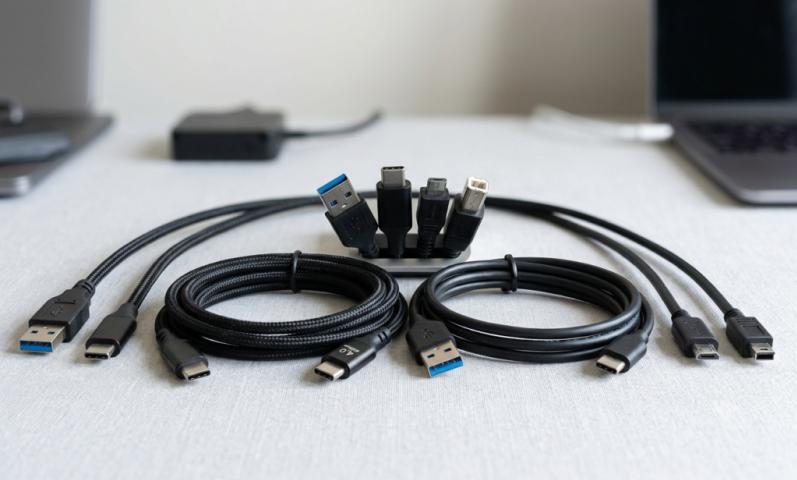
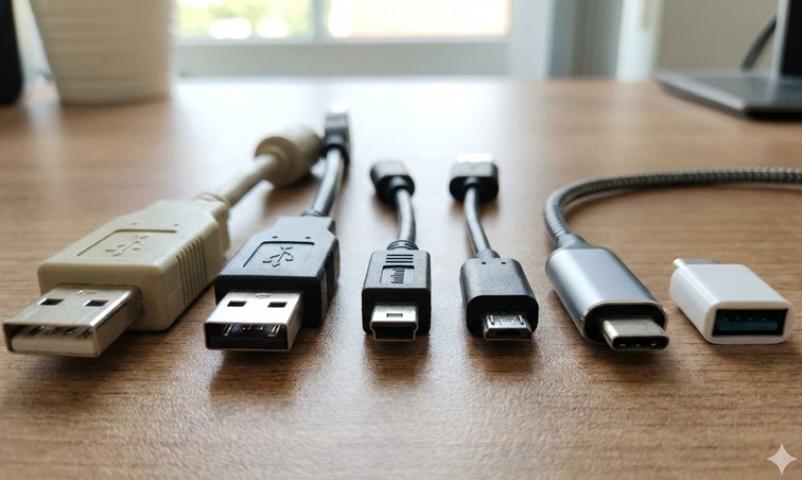
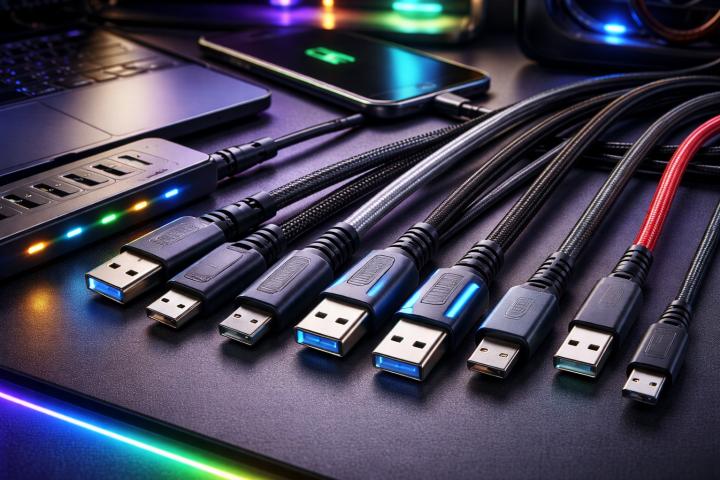
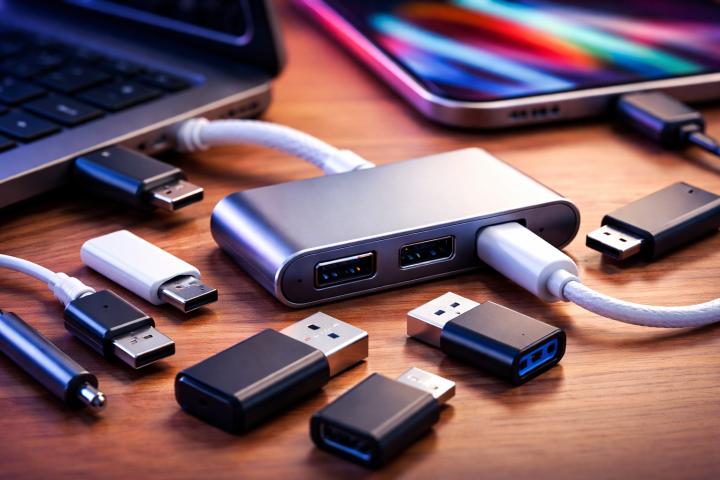
Once these circuits get damaged, your USB port stops working. You might not be able to charge your phone anymore. Your micro usb adapter won't connect properly. Even your favorite USB A cables might not work.
The damage usually happens very fast. You might not even know a surge happened until you try to use your USB port later.
Signs Your USB Ports Are Damaged
How do you know if a power surge hurt your USB ports? There are several warning signs to watch for.
Your devices might not charge when you plug them in. This is often the first sign people notice. Your phone or tablet just sits there doing nothing.
Sometimes USB ports work but they work very slowly. Your micro usb adapter might charge your device, but it takes much longer than usual.
You might see error messages on your computer screen. These messages tell you that your computer can't recognize the device you plugged in.
Your USB A cables might feel loose when you plug them in. The connection isn't tight anymore. This can happen when the surge damages the metal contacts inside the port.
Different Types of USB Damage
Power surges don't always damage USB ports the same way. Sometimes they completely destroy the port. Other times, they just make it work poorly.
Complete failure means the port doesn't work at all. Nothing you plug in will be recognized. Your computer acts like the port doesn't even exist.
Partial damage is trickier to spot. The port might work sometimes but not others. Your micro usb adapter might work for charging but not for transferring files.
Some ports get damage that makes them dangerous to use. They might send wrong amounts of power to your devices. This can damage your phone or tablet too.
Can You Fix Damaged USB Ports?
Fixing damaged USB ports is usually very hard. The parts inside are extremely small and delicate. Most people can't fix them at home.
For desktop computers, you might be able to replace the USB ports. But this requires special tools and skills. Most people need to take their computer to a repair shop.
Laptops are even harder to fix. The USB ports are often built into the main circuit board. Replacing them can cost more than buying a new laptop.
Phones and tablets are nearly impossible to fix yourself. The USB ports are tiny and packed in with lots of other parts.
How to Protect Your USB Ports
The good news is that you can protect your USB ports from power surges. You don't need expensive equipment or special skills.
Surge protectors are your best friend. These devices sit between your electronics and the wall outlet. When a surge happens, they block the extra electricity from reaching your devices.
Make sure to buy a good quality surge protector. Cheap ones might not protect you when you really need them. Look for ones that say they protect against both small and large surges.
Unplug your devices during thunderstorms. This is the safest way to protect them from lightning strikes. No surge protector can stop a direct lightning hit.
Choosing the Right Protection
Not all surge protectors are the same. Some work better than others. Some protect more devices at once.
Look for surge protectors with USB ports built in. These let you plug your micro usb adapter directly into the protector. This gives your devices extra protection.
Make sure your surge protector has enough outlets for all your devices. Count how many things you want to protect before you buy one.
Check the joule rating on surge protectors. Higher numbers mean better protection. Look for at least 1000 joules for basic protection.
What to Do After a Power Surge
If you think a power surge hit your home, check all your USB ports right away. Try plugging in different devices to see if everything still works.
Test your micro usb adapter with different ports. If it doesn't work in any port, the problem might be with your cable instead of the ports.
Try different USB A cables too. Sometimes the surge damages the cable instead of the port. Cables are much cheaper to replace than ports.
If some ports work and others don't, you know the surge caused damage. Stop using the broken ports right away. They might damage any devices you plug into them.
Prevention Is Better Than Repair
Protecting your USB ports costs much less than replacing them. A good surge protector costs about the same as fixing one damaged port.
Remember that power surges can happen anytime. You don't need a big thunderstorm. Even small electrical problems can damage your ports.
Make surge protection a habit. Always plug important electronics into surge protectors. Keep your micro usb adapter and USB A cables in good condition too.
The Bottom Line
Yes, power surges can definitely damage USB ports. The tiny electronic parts inside these ports can't handle extra electricity. When they get too much power, they break.
Once your USB ports get damaged, they're usually very expensive to fix. Sometimes it costs more to fix them than to buy a new device.
The smart thing to do is protect your devices before damage happens. Good surge protectors are cheap insurance against expensive repairs.
Your USB ports work hard every day. They charge your phone, connect your accessories, and transfer your files. Take care of them, and they'll take care of you for years to come.
Sources: https://www.ecogujju.com/your-troubleshooting-guide-to-fixing-usb-to-usb-adapter-issues/
https://sharefolks.com/view/how-to-fix-unrecognized-usb