
You've spent hours crafting the perfect blog post. Your keyword research is spot-on, your content is engaging, and your on-page SEO is flawless. Yet weeks pass, and your content is nowhere to be found in Google search results. Sound familiar?
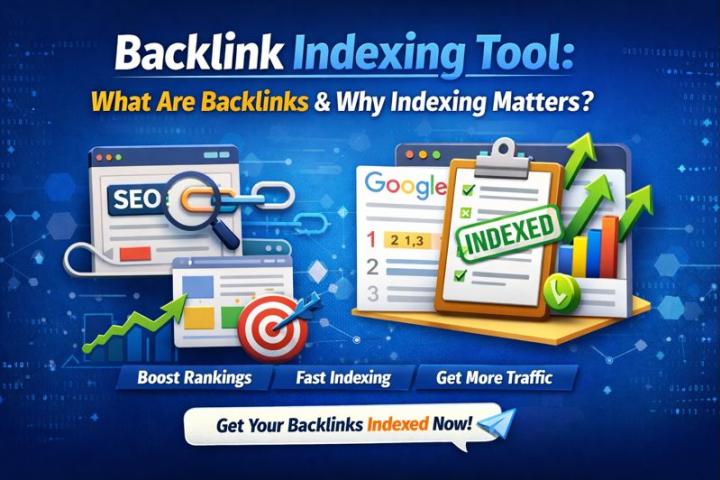
The problem isn't your content—it's Google's indexing process.
The Indexing Crisis No One Talks About
Here's a sobering truth: Google doesn't automatically index every piece of content you publish. In fact, studies show that up to 30% of new web pages remain unindexed weeks after publication, essentially making them invisible to potential visitors.
This indexing bottleneck has become more pronounced as Google's algorithms have grown more selective. The search giant now prioritizes quality signals and established domains, often leaving newer or smaller websites in a digital purgatory—published but not indexed.
Why Traditional Indexing Methods Fall Short
Most SEO professionals rely on Google Search Console's URL inspection tool to request indexing. While this method works, it comes with significant limitations:
Manual submission limits: Google restricts the number of URLs you can submit per day
No guarantees: Submitting a URL doesn't guarantee indexing
Time delays: Even successful submissions can take days or weeks to process
Technical barriers: Requires Search Console access and verification
For agencies managing multiple clients or websites with hundreds of pages, this manual approach becomes a productivity nightmare.
The Real Cost of Poor Indexing
When your content isn't indexed, you're not just missing out on traffic—you're hemorrhaging opportunities:
Lost Revenue: E-commerce sites can lose thousands in sales from unindexed product pages Wasted Marketing Spend: Paid campaigns driving traffic to unindexed landing pages burn through budgets with zero ROI Competitive Disadvantage: While your content sits in indexing limbo, competitors claim valuable search real estate Client Churn: Agencies struggle to demonstrate ROI when client content remains invisible
The Modern Solution: Automated Indexing Technology
The SEO landscape has evolved, and so have the tools to navigate it. Modern indexing solutions leverage proprietary technology to bypass traditional limitations, offering:
Instant Processing: URLs are processed immediately without waiting queues Higher Success Rates: Advanced algorithms achieve better indexing rates than manual methods Bulk Capabilities: Handle hundreds or thousands of URLs simultaneously Status Monitoring: Real-time tracking of indexing progress and success rates
These solutions work by utilizing multiple indexing pathways and signals that help Google's crawlers discover and process content more efficiently.
Best Practices for Faster Indexing
Whether you use automated tools or stick with traditional methods, these strategies can improve your indexing success:
1. Optimize Internal Linking
Create clear pathways for crawlers by linking new content from existing indexed pages. A well-structured internal linking strategy can reduce indexing time by up to 40%.
2. Submit XML Sitemaps
Keep your sitemap updated and submit it through Search Console. This provides Google with a roadmap of your content priorities.
3. Focus on Content Quality
Google prioritizes valuable, unique content. Thin or duplicate content is more likely to remain unindexed.
4. Build Domain Authority
Established websites with strong backlink profiles typically see faster indexing. Invest in legitimate link-building strategies.
5. Monitor and Resubmit
Track indexing status and resubmit URLs that haven't been indexed after 7-10 days.
The Business Impact of Faster Indexing
Companies that solve their indexing challenges often see dramatic improvements:
E-commerce brands report 25-40% increases in organic traffic within 30 days
Content publishers see faster time-to-revenue on new articles
SEO agencies can demonstrate quicker results to clients, improving retention
SaaS companies get landing pages indexed faster, reducing customer acquisition costs
Future-Proofing Your SEO Strategy
As Google's indexing becomes more sophisticated, the importance of proper indexing strategy will only grow. Search engines are moving toward real-time indexing for high-authority content while being more selective about lower-authority pages.
The websites that thrive in this environment will be those that:
Prioritize content quality over quantity
Implement technical SEO best practices
Use modern tools to overcome indexing bottlenecks
Monitor and optimize their indexing performance
Taking Action
Indexing problems won't solve themselves. Every day your content remains unindexed is another day of lost opportunities. Whether you choose automated solutions, improve your technical SEO, or enhance your content strategy, the key is taking action.
Start by auditing your current indexing status. Use Google Search Console to identify unindexed pages, then develop a systematic approach to getting them discovered. For high-volume websites or time-sensitive content, consider investing in specialized indexing tools that can accelerate the process.
Remember: in SEO, visibility is everything. The best content in the world won't drive results if Google can't find it.
Ready to solve your indexing challenges? Learn more about modern SEO indexing solutions that are helping thousands of websites get indexed faster.
What indexing challenges have you faced with your website? Share your experiences and solutions in the comments below.