Every year, businesses invest significant time and money into building websites. They launch new designs, publish content, add service pages, and implement various marketing initiatives with the expectation that their website will become a major source of leads, customers, and revenue. Yet despite these efforts, many business websites never achieve the growth potential their owners originally envisioned.
The issue is rarely the website itself. In most cases, the problem lies in the strategy behind it. A website can look professional, load properly, and contain useful information while still failing to generate meaningful business growth. The digital marketplace has become increasingly competitive, and businesses must understand that a website is not simply an online brochure. It should function as a growth asset that attracts qualified visitors, builds trust, generates leads, and supports long-term business objectives.
An experienced SEO Agency in Dallas often discovers that many websites are underperforming not because of one major issue, but because of several smaller weaknesses working together. Understanding these limitations is the first step toward creating a website that contributes more effectively to business growth.
Most Websites Are Built Without a Clear Growth Strategy
One of the biggest reasons websites fail to reach their potential is the absence of a defined growth strategy. Many businesses focus heavily on design during the development process while giving less attention to customer acquisition, search visibility, content planning, and conversion pathways.
A visually appealing website can create a positive first impression, but appearance alone does not generate sustainable traffic. Businesses need to understand how potential customers search, what information they seek, what questions they ask, and what motivates them to take action.
Without this strategic foundation, websites often become collections of pages rather than systems designed to attract and convert visitors. Growth occurs when every element of the website supports a larger business objective.
Businesses Often Overestimate Brand Awareness
Many companies assume potential customers already know who they are and what they offer. In reality, most website visitors discover a business for the first time through search engines, referrals, social platforms, or online research.
When businesses assume too much familiarity, their websites may fail to explain services clearly, communicate unique value, or address common customer concerns.
Visitors arriving from search results typically need context before they can make informed decisions. They want to understand who the company serves, how services work, why the business is credible, and what makes it different from competitors.
A website that skips these explanations may lose potential customers even when it attracts qualified traffic.
Weak Search Visibility Limits Growth Opportunities
Many websites struggle because they simply are not visible enough.
Potential customers cannot engage with a website they never find. Search visibility remains one of the most important drivers of long-term website growth because search engines often connect businesses with users actively looking for solutions.
Unfortunately, many websites are built without considering how people search. Service pages may target unclear topics, content may lack depth, and technical SEO issues may prevent important pages from performing effectively.
A professional Local SEO Agency Dallas businesses trust often begins by evaluating whether the website aligns with actual search demand. This includes keyword research, search intent analysis, content evaluation, and technical performance reviews.
Without visibility, even excellent services can remain hidden from potential customers.
Content Is Often Created for Businesses Instead of Customers
Another common issue is content that focuses primarily on what the business wants to say rather than what customers want to know.
Many websites contain pages filled with company descriptions, promotional language, and generic statements. While this information may be relevant, it does not always answer the questions visitors are actually asking.
Customers typically search because they have a problem, need information, or want to compare options. They want clear explanations, useful guidance, practical insights, and answers that help them move forward.
Content that addresses these needs tends to perform better because it aligns with user intent. It creates trust, encourages engagement, and supports both search visibility and conversion goals.
Poor Website Architecture Creates Friction
Website architecture plays a major role in growth potential.
Visitors should be able to navigate easily between related pages, discover relevant information, and understand how different sections of the website connect. Search engines also rely on clear structures to understand content relationships.
Many websites grow over time without a consistent organizational plan. New pages are added, navigation becomes cluttered, duplicate content appears, and internal links become inconsistent.
The result is confusion for both users and search engines.
Strong website architecture creates clarity. Important pages are easy to find, content categories make sense, and visitors can move naturally through the website. This improves user experience while supporting SEO performance.
Businesses Focus on Traffic Instead of Conversions
Generating traffic is important, but traffic alone does not create business growth.
Many websites attract visitors without providing a clear path toward conversion. Visitors may read content, browse services, and leave without understanding what action to take next.
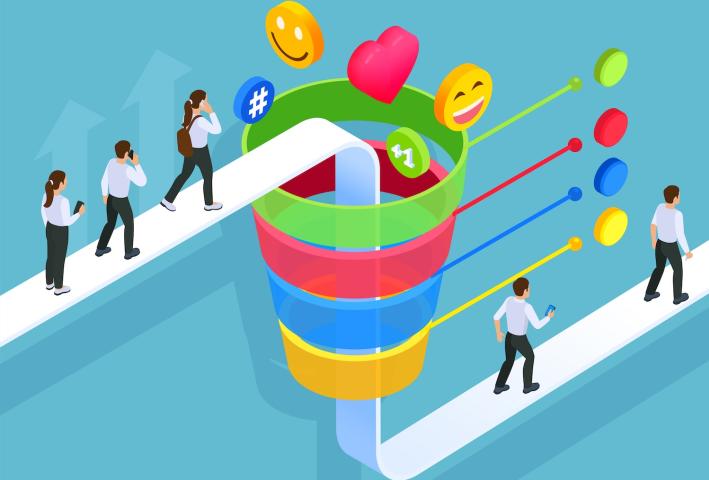
Conversion optimization focuses on helping users move from interest to action. This may involve improving calls to action, simplifying forms, clarifying service offerings, enhancing trust signals, or making important information easier to access.
Growth occurs when traffic and conversion strategy work together. A website that attracts fewer but highly qualified visitors may outperform one that generates large amounts of irrelevant traffic.
Technical SEO Problems Remain Hidden
Technical SEO often receives less attention because many issues are not immediately visible to website owners.
Pages may load slowly, important content may not be indexed properly, internal linking may be weak, mobile usability may suffer, or search engines may encounter crawling challenges. These issues can limit growth even when content quality is strong.
Technical optimization provides the foundation that allows search engines to understand and evaluate the website effectively.
An experienced SEO Agency in Dallas typically examines technical performance before making major content recommendations because technical barriers can prevent other SEO efforts from reaching their full potential.
Businesses that ignore technical SEO often struggle to understand why competitors with similar content continue outperforming them.
Many Websites Lack Topical Authority
Search engines increasingly evaluate websites based on topical depth and expertise.
Businesses frequently create isolated articles targeting unrelated keywords without developing comprehensive coverage around their primary services and areas of expertise.
This fragmented approach limits authority development.
Instead, businesses should build content ecosystems around important topics. Core service pages can be supported by educational resources, frequently asked questions, guides, comparisons, and supporting articles that demonstrate expertise.
As topical depth increases, search engines gain stronger signals regarding the website's relevance within its industry.
This authority-building process supports sustainable growth over time.
User Experience Is Often Overlooked
Growth potential is directly connected to user experience.
Visitors evaluate websites quickly. If information is difficult to find, navigation feels confusing, pages load slowly, or mobile usability is poor, users may leave before taking meaningful action.
Businesses sometimes focus heavily on acquiring traffic while neglecting the experience users encounter after arriving.
Strong user experience supports every stage of the customer journey. Visitors can locate information efficiently, understand services clearly, and complete desired actions without frustration.
This not only improves conversion rates but also contributes to stronger long-term search performance.
Businesses Fail to Adapt to Changing Search Behavior
Search behavior continues evolving.
Customers now use conversational searches, mobile devices, voice assistants, AI-powered search experiences, and increasingly specific queries. They often expect immediate answers and detailed information before contacting a business.
Websites that remain static while customer behavior changes may gradually lose relevance.
Growth-oriented businesses continuously evaluate how their audience searches, what information they seek, and which content formats provide the most value.
Adaptability allows websites to remain aligned with changing customer expectations.
Trust Signals Are Missing
Trust plays a major role in online decision-making.
Visitors often evaluate credibility before contacting a business. They may look for reviews, testimonials, case studies, certifications, industry recognition, team information, or examples of previous work.
Many websites provide limited trust-building content, forcing visitors to search elsewhere for reassurance.
Strong trust signals reduce uncertainty and help visitors feel more comfortable moving forward.
These elements are especially important for businesses operating in competitive industries where customers are comparing multiple providers.
Growth Requires Consistent Optimization
A common misconception is that websites achieve success immediately after launch.
In reality, high-performing websites evolve continuously. Businesses that generate consistent growth regularly update content, improve technical performance, analyze search trends, refine conversion paths, and respond to changing customer needs.
SEO, content marketing, user experience, and conversion optimization all require ongoing attention.
A website should be viewed as a long-term business asset rather than a completed project.
Companies that embrace continuous improvement often outperform competitors who treat their website as something that only needs occasional maintenance.
Data Is Often Ignored
Many businesses collect valuable data but fail to use it effectively.
Analytics platforms provide insights into user behavior, traffic sources, conversion performance, page engagement, search visibility, and customer journeys. Yet these insights often go unexplored.
Growth opportunities become easier to identify when businesses understand how visitors interact with their website.
Data reveals which pages perform well, where users drop off, what content generates leads, and which traffic sources contribute most effectively to business objectives.
Using this information strategically can significantly improve website performance over time.
The Difference Between Having a Website and Owning a Growth Asset
The most successful businesses understand that there is a difference between owning a website and owning a growth asset.
A website exists online. A growth asset actively contributes to lead generation, customer acquisition, authority building, and revenue growth.
Growth assets attract qualified traffic through search visibility, educate visitors through valuable content, establish trust through credibility signals, and encourage action through strong user experiences.
This transformation does not happen automatically. It requires planning, optimization, measurement, and continuous improvement.
A knowledgeable Local SEO Agency Dallas businesses partner with can help identify the gaps preventing a website from reaching its full potential and create a roadmap for sustainable growth.
Conclusion
Most business websites never reach their growth potential because they lack the strategic elements necessary to support long-term success. Limited search visibility, weak content strategies, technical issues, poor architecture, low topical authority, weak trust signals, and insufficient optimization often prevent websites from delivering meaningful business results.
The good news is that these challenges can be addressed. Businesses that focus on customer needs, search intent, technical performance, content quality, user experience, authority building, and continuous improvement create stronger foundations for growth.
An experienced SEO Agency in Dallas can help businesses identify these opportunities and transform underperforming websites into valuable growth assets. When a website is treated as a strategic business tool rather than simply an online presence, it becomes capable of generating visibility, trust, leads, and long-term business growth in an increasingly competitive digital landscape.