
The rapid growth of digital technologies has transformed the way organizations communicate with potential customers. Today's consumers interact with brands through multiple channels, including websites, social media, email, and mobile applications, leaving behind valuable information about their interests and purchasing behaviour. As a result, companies have increasingly adopted marketing automation to manage these interactions more efficiently and deliver more personalized customer experiences.
Marketing automation can be defined as the use of software platforms to automate repetitive marketing activities while supporting data-driven decision-making and personalized communication (Chaffey & Ellis-Chadwick, 2022). However, it should not be viewed simply as a technological solution. Rather, it represents a strategic approach that combines customer data, analytics, and workflow automation to improve both marketing performance and customer relationships. Among its many capabilities, lead scoring and lead nurturing have become two of the most important practices for converting prospects into loyal customers.
Marketing Automation: Foundations and Strategic Importance
Marketing automation emerged as organizations recognized that traditional mass marketing was becoming increasingly ineffective. Modern consumers expect relevant information that reflects their interests, needs, and stage in the buying process. Consequently, companies have shifted from product-oriented communication to customer-oriented marketing, where personalization plays a central role.
The foundation of marketing automation lies in the integration of customer data from different sources, such as Customer Relationship Management (CRM) systems, websites, email campaigns, and social media platforms. By consolidating this information, marketers can gain a comprehensive understanding of customer behaviour and design campaigns that respond to individual preferences rather than broad market segments.
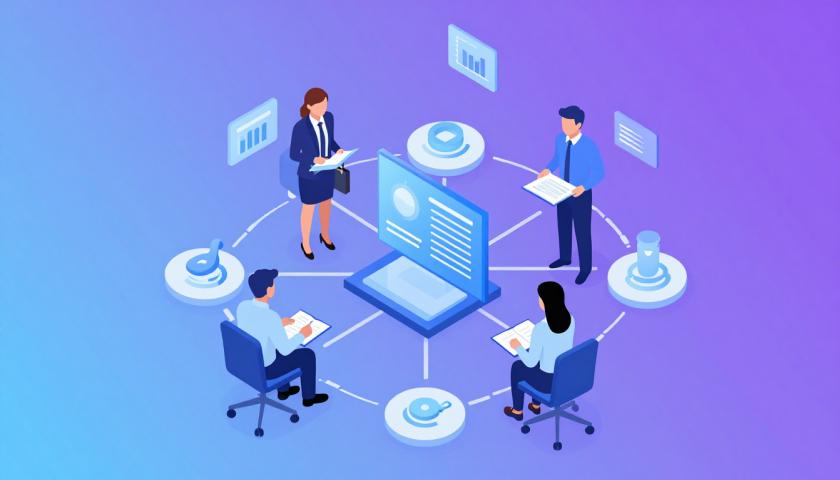
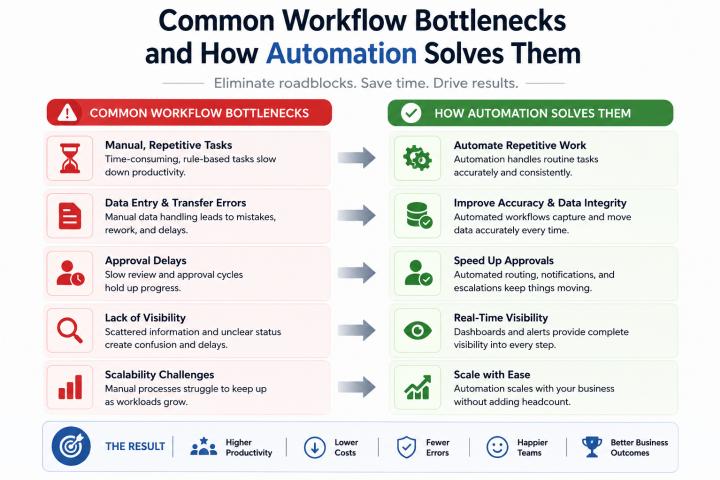
Another fundamental aspect of marketing automation is workflow automation. Instead of manually sending emails or monitoring customer actions, organizations can create automated sequences triggered by specific behaviours. For example, downloading a white paper may automatically initiate a series of educational emails, while abandoning an online shopping cart can trigger a reminder message. These automated workflows not only save time but also ensure that customers receive timely and relevant communications.
Beyond operational efficiency, marketing automation contributes to stronger collaboration between marketing and sales teams. Since both departments share access to customer information, they can develop a common understanding of which prospects are ready for direct sales engagement and which still require additional education. This alignment is widely recognized as one of the main factors behind successful digital marketing strategies (Kotler et al., 2022).
Lead Scoring: Identifying Sales-Ready Prospects
Among the various functions offered by marketing automation platforms, lead scoring has become one of the most valuable tools for prioritizing sales opportunities. In competitive markets, organizations generate hundreds or even thousands of leads every month, making it unrealistic for sales representatives to contact every prospect with the same level of attention. Lead scoring addresses this challenge by assigning numerical values to leads according to their probability of becoming customers.
Most lead scoring models combine two types of information. The first consists of explicit characteristics provided directly by the prospect, such as job position, company size, industry, or geographical location. The second relies on implicit behavioural data automatically collected by marketing automation systems. Visiting product pages, downloading technical documents, attending webinars, opening emails repeatedly, or requesting product demonstrations are all examples of behaviours that may indicate increasing purchase intent.
A simple scoring model might assign five points for opening an email, fifteen for downloading a white paper, twenty-five for visiting a pricing page, and forty for requesting a product demonstration. Prospects who accumulate higher scores are generally considered more likely to convert and can therefore be transferred to the sales team. Although the specific criteria vary between organizations, effective lead scoring models are continuously refined using historical data and conversion analysis rather than intuition alone.
The benefits of lead scoring extend beyond sales prioritization. By identifying which behaviours are most closely associated with successful conversions, organizations gain valuable insights into the effectiveness of their marketing activities. Furthermore, lead scoring reduces the likelihood of contacting prospects prematurely, which can damage customer relationships and lower conversion rates. As artificial intelligence becomes increasingly integrated into marketing platforms, predictive lead scoring models are also capable of identifying patterns that would be difficult for marketers to detect manually (Mero et al., 2021).
Lead Nurturing: Building Relationships Before the Sale
While lead scoring identifies the prospects most likely to convert, lead nurturing focuses on helping potential customers reach that stage. It is based on the recognition that most buyers are not ready to make a purchasing decision after their first interaction with a company. Particularly in business-to-business (B2B) markets, purchasing decisions often involve lengthy evaluation processes, multiple stakeholders, and considerable information gathering.
Lead nurturing seeks to maintain meaningful communication with prospects by providing relevant content throughout the customer journey. Rather than relying on aggressive sales messages, organizations aim to educate, inform, and build trust over time. This content may include blog articles, case studies, webinars, industry reports, videos, newsletters, or product demonstrations, depending on the prospect's interests and level of engagement.
Marketing automation makes this process highly scalable by delivering content according to predefined behavioural triggers. For instance, a prospect who downloads an introductory guide may receive educational material explaining industry challenges, while someone who repeatedly visits pricing pages might receive a product comparison or an invitation to schedule a demonstration. Such personalization improves the customer experience because communications become more relevant and less intrusive.
Lead nurturing also contributes to stronger customer relationships by positioning the organization as a trusted source of knowledge rather than simply a seller of products or services. According to Järvinen and Taiminen (2016), companies that successfully integrate content marketing with marketing automation are better able to support long-term customer relationships and improve lead quality before direct sales contact occurs.
Integrating Lead Scoring and Lead Nurturing
Although lead scoring and lead nurturing are often discussed separately, their true value emerges when they operate together. Lead nurturing generates customer engagement through personalized interactions, while lead scoring continuously evaluates those interactions to determine whether a prospect is becoming increasingly qualified.
This creates a dynamic feedback loop. As prospects consume content, attend webinars, or revisit key sections of a company's website, their scores gradually increase. Once they reach an agreed threshold, they can be classified as Marketing Qualified Leads (MQLs) or Sales Qualified Leads (SQLs), allowing sales representatives to intervene at the most appropriate moment. This coordinated process improves efficiency, reduces wasted sales effort, and creates a more seamless customer experience.
Nevertheless, organizations should avoid relying exclusively on automation. Customers still value authentic human interaction, particularly during complex purchasing decisions. Marketing automation should therefore support, rather than replace, personal communication. Successful organizations combine technological capabilities with human expertise, ensuring that automation enhances customer relationships instead of making them feel impersonal.
Conclusion
Marketing automation has evolved from a tool for automating repetitive tasks into a strategic capability that supports customer relationship management throughout the entire buying journey. By combining customer data, workflow automation, and personalized communication, organizations can improve marketing efficiency while delivering more relevant experiences to potential customers.
Within this framework, lead scoring and lead nurturing represent two complementary practices that significantly enhance marketing performance. Lead scoring helps organizations identify prospects with the greatest probability of conversion, whereas lead nurturing develops those prospects through continuous, personalized communication until they are ready to engage with the sales team. When effectively integrated, these practices strengthen collaboration between marketing and sales, improve conversion rates, and contribute to long-term customer relationships. As artificial intelligence and predictive analytics continue to advance, marketing automation is expected to become even more sophisticated, enabling organizations to anticipate customer needs and deliver increasingly personalized experiences.
References
Chaffey, D., & Ellis-Chadwick, F. (2022). Digital Marketing: Strategy, Implementation and Practice (8th ed.). Pearson.
Järvinen, J., & Taiminen, H. (2016). Harnessing marketing automation for B2B content marketing. Industrial Marketing Management, 54, 164–175.
Kotler, P., Keller, K. L., & Chernev, A. (2022). Marketing Management (16th Global ed.). Pearson.
Mero, J., Tarkiainen, A., & Tobon, S. (2021). Effectual and causal reasoning in the adoption of marketing automation. Industrial Marketing Management, 97, 212–222.
Ryan, D. (2021). Understanding Digital Marketing (5th ed.). Kogan Page.