
Introduction
The financial technology industry, commonly known as Fintech, has evolved rapidly over the last decade. From digital banking apps to blockchain-powered transactions, technology has reshaped the way people and businesses handle money. However, one innovation stands out above all—AI in Fintech. Artificial intelligence has become the backbone of modern financial solutions, driving innovation, security, and efficiency across the sector.
This article explores how AI is revolutionizing Fintech, its applications, benefits, challenges, and the future potential of this dynamic combination.
Understanding AI in Fintech
At its core, Fintech refers to the use of technology to improve financial services, while AI is the intelligence displayed by machines through learning, reasoning, and problem-solving. Together, AI in Fintech creates smarter systems that can analyze data, predict outcomes, and automate processes with minimal human intervention.
The adoption of artificial intelligence in financial technology is not just about automation—it’s about personalization, fraud prevention, risk management, and better decision-making.
Key Applications of AI in Fintech
1. Fraud Detection and Prevention
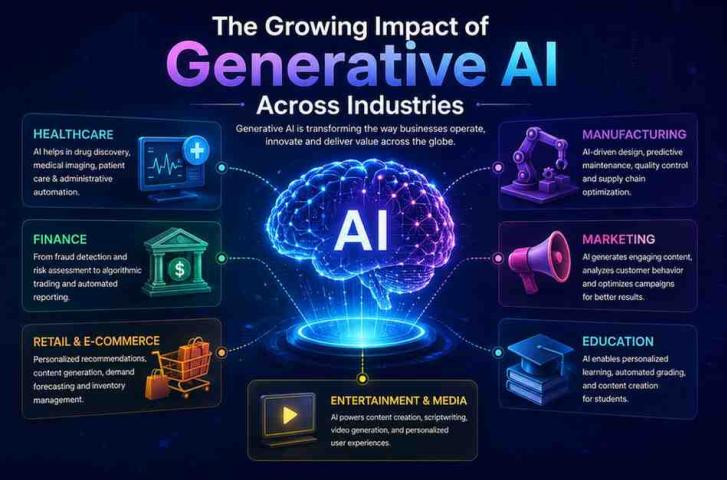
One of the biggest challenges in the financial industry is fraud. Cybercriminals constantly try to exploit digital payment systems. AI-powered fraud detection tools analyze massive datasets in real time to identify unusual patterns. This allows companies to block suspicious transactions instantly, reducing financial losses.
2. Customer Service with Chatbots
AI-driven chatbots have transformed the way banks and Fintech apps interact with customers. These chatbots can answer queries, help with transactions, and provide personalized financial advice 24/7. Unlike traditional call centers, AI chatbots reduce waiting time and enhance user satisfaction.
3. Credit Scoring and Risk Assessment
Traditional credit scoring often relies on limited financial history. With AI in Fintech, companies can assess risk more accurately by analyzing alternative data such as spending behavior, mobile usage, and online transactions. This makes financial services more inclusive, especially for people with little or no credit history.
4. Personalized Banking
AI enables Fintech companies to deliver tailored financial experiences. From personalized savings plans to investment advice, artificial intelligence ensures that customers receive services suited to their unique needs. For instance, robo-advisors suggest investment strategies based on customer goals, risk appetite, and market trends.
5. Algorithmic Trading
Stock trading has become faster and more data-driven with AI algorithms. These systems can analyze large volumes of financial data, identify patterns, and make trades within milliseconds. This ensures better returns while reducing human error and emotional bias.
Benefits of AI in Fintech
Efficiency and Speed
AI automates time-consuming processes such as customer verification, loan approvals, and compliance checks, significantly improving speed and efficiency.
Enhanced Security
By constantly learning from new data, AI systems adapt to emerging threats and provide stronger security layers for online transactions.
Cost Savings
AI reduces the need for large human workforces, lowering operational costs while still maintaining accuracy and reliability.
Financial Inclusion
By analyzing alternative datasets, AI helps bring financial services to underserved communities, ensuring more people can access banking and lending facilities.
Challenges of AI in Fintech
While the benefits are clear, there are also challenges:
Data Privacy Concerns – Collecting and analyzing large amounts of personal financial data raises questions about security and ethics.
Regulatory Compliance – Different countries have strict financial regulations that AI systems must comply with, which can be complex.
High Implementation Cost – Small Fintech startups may struggle with the high cost of AI technologies.
Bias in Algorithms – If AI systems are trained on biased data, they can make unfair financial decisions, such as rejecting loans to certain groups.
The Future of AI in Fintech
The future of AI in Fintech looks extremely promising. With advancements in artificial intelligence, financial companies will provide more personalized, secure, and efficient services.
Blockchain and AI Integration: AI combined with blockchain will enhance transparency and trust in digital transactions.
Predictive Financial Services: AI will anticipate customer needs, offering products before customers even realize they require them.
Decentralized Finance (DeFi): AI will play a critical role in managing and securing DeFi platforms, which are expected to dominate the future financial landscape.
Conclusion
AI has become the driving force behind Fintech innovation. From fraud detection to personalized services and algorithmic trading, AI in Fintech is reshaping how individuals and businesses interact with money. Despite challenges such as data privacy and implementation costs, the opportunities far outweigh the risks.
As the sector grows, the role of artificial intelligence in financial services will only deepen, creating a more inclusive, secure, and efficient global financial ecosystem. Companies that embrace AI now will be the leaders of tomorrow’s Fintech revolution.