An agriculture app development company is an expert business that builds specific mobile and web applications to support farmers and agricultural enterprises. These digital tools help the agriculture sector switch from older, manual methods to modern, data-driven farming. By creating easy-to-use software for tasks like checking crop health, tracking field activities, and managing sales, a development company directly helps farmers improve their efficiency, reduce waste, and increase the amount of food they can produce. The applications they build make complex farm operations simpler and smarter for everyone involved in growing food.
The primary goal of these development partners is to make advanced technology reachable for all types of farming businesses. They use mobile devices—which are common even in remote areas—to deliver high-value information like precise weather forecasts and pest alerts. This digital assistance is key to addressing challenges like unpredictable climate and the need for greater sustainability in modern food production.
The Need for Digital Tools in Modern Agriculture
The farming industry is quickly changing. Farmers today deal with worldwide issues like climate change affecting seasons and market demands for more traceable, sustainably produced food. Traditional farming methods often struggle to handle this kind of uncertainty and data management. Digital tools, created by an expert agriculture app development company, offer practical solutions to these modern problems.
Digitalizing farm operations means replacing paper logs and manual checks with mobile data entry and automated systems. This change is not just about using technology; it’s about making farming more precise and predictable. When all data—from soil moisture to harvest yield—is stored digitally, farmers gain a clear and quick way to see exactly what is happening on their land. This immediate, clear view is what helps them make better decisions quickly.
Hire Top Agriculture App Developers to Build Smart Farming Solutions!
Simplifying Farm Record-Keeping and Data Management
One of the biggest time-savers that agriculture applications provide is simplifying farm record-keeping. A reliable application allows farmers or farm workers to log activities like planting, fertilization, and spraying directly from their phones while in the field. This removes the need for writing notes and later transferring them to a computer.
The application automatically organizes this data by date, field location (using GPS), and crop type. This creates a central, easy-to-search history for every piece of land. Having detailed records is vital for tracking what works best, proving compliance for quality standards, and preparing financial reports. A trusted agriculture app development company designs these features to be quick and user-friendly, ensuring high adoption among farm workers of all ages.
Improving Resource Use with Smart Farming Software Solutions
Smart farming is about using resources like water, fertilizer, and pesticides only where and when they are truly needed. This approach is supported by software solutions that integrate with sensors and analytical tools. A professional agribusiness software development company builds the platform that connects these tools.
For example, an app can link to a field's soil moisture sensors. Instead of watering on a fixed schedule, the app provides a report that tells the farmer exactly which areas need water, leading to what is called precision irrigation scheduling. This data-driven approach dramatically reduces water waste and saves money on energy costs for pumping. By helping farmers use inputs more carefully, these digital systems also support environmental goals, aligning farming with sustainability efforts.
Core Digital Solutions Built by Expert Developers
A successful agriculture app development company offers a range of specialized applications, each designed to solve specific problems within the farming cycle. These solutions combine farming knowledge with deep technical skills.
Developing Crop Monitoring Application Features
Crop monitoring applications are essential tools for maintaining plant health and maximizing yield. These apps integrate several technologies to give farmers a real-time health check of their crops.
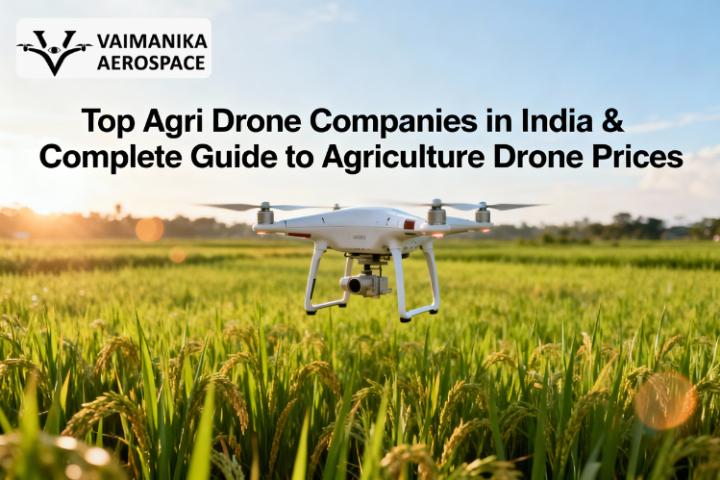
Satellite Imagery and Aerial Views: An application can pull and process images from satellites or drones. By analyzing the colors and light reflectance in these images, the app can show a farmer a map of their field where different colors indicate areas of high health, low health (stress), or potential pest damage. This ability to see problems before they are visible to the naked eye is a massive advantage for early disease detection in crops.
Pest and Disease Identification: Using simple phone camera inputs and image analysis technology, a crop monitoring application can help identify common diseases or pests. The farmer takes a picture of a leaf, and the app uses smart algorithms to suggest a possible diagnosis and recommended steps for treatment. This offers quick and reliable advice, reducing the time lost waiting for a farm consultant to visit.
Livestock and Dairy Farm Management App Development
Digitalization is just as important for animal farming. Livestock and dairy farm management apps help farmers oversee the health, breeding cycles, and production records of their animals. A leading development firm builds applications that centralize this important information.
Animal Health Tracking: Apps can manage records for individual animals, tracking vaccinations, medical treatments, and health alerts. For dairy farms, this includes logging milk production for each cow. This detailed record-keeping helps farmers quickly identify animals that need special attention, leading to improved herd health and productivity.
Feed and Inventory Management: The software helps manage feed supply, track usage, and plan purchases. This ensures that farmers do not run out of necessary supplies and can accurately track the cost of feeding their livestock, which is a major financial area for animal farming operations.
Farm Accounting and Financial Management App Development
Farming is a business, and managing the money side is key to long-term success. Farm accounting and financial management apps allow farmers to easily track income, expenses, and asset value.
These apps are designed to handle the unique financial challenges of agriculture, such as tracking expenses for multiple fields or different crops, and managing different types of sales channels. The ability to generate quick, accurate reports on profitability for a specific crop or a particular field section helps farmers decide which practices and products are giving them the best return. A dependable app development company builds secure platforms that make financial oversight simple and clear.
Technology Pillars for the Digital Farmer
The effectiveness of modern agriculture applications rests on the successful integration of powerful, specialized technologies. The role of the agritech app development company is to make these advanced systems work smoothly behind a simple mobile screen.
Integration of IoT Sensors and Devices for Real-Time Monitoring
The Internet of Things (IoT) involves connecting physical objects—in this case, field sensors, weather stations, and smart machinery—to the internet and, most importantly, to the farmer's app. This integration of IoT sensors for farming data is the foundation of real-time farm management.
For example, a real-time farm monitoring app connected to a portable grain moisture meter can instantly record the moisture content of grain in storage, alerting the farmer if levels are too high, which could lead to spoilage. This constant, automatic stream of data allows farmers to manage risks and react to changing conditions the moment they happen, instead of waiting for a manual check.
Using AI and Machine Learning for Predictive Analytics in Farming
Artificial Intelligence (AI) and Machine Learning (ML) are the brain behind the "smart" in smart farming. These systems take the vast amounts of data collected—historical yields, weather patterns, soil types, and sensor readings—and use it to make educated predictions.
An AI-powered agriculture app can predict the best day for planting a specific variety of seed on a specific field to get the best yield, based on long-term weather forecasts. It can also predict the likelihood of a pest problem in the coming week. These predictive analytics in farming give the farmer a huge advantage by allowing them to plan ahead and take preventive action, moving from reacting to problems to actively preventing them.
Geolocation and GIS Mapping for Accurate Field Operations
Geographic Information Systems (GIS) and GPS technology are fundamental for precision farming application development. These tools allow the farmer to view and manage their fields with extreme accuracy.
An app uses GIS to create detailed, interactive maps of the farm. These maps can be layered with information such as soil type, nutrient levels, and historical yield data. When a worker uses the app to spray a field, the GPS tracking ensures that the spray equipment only turns on when it is within the field boundaries, preventing waste and avoiding overlap. This GPS-based farm field mapping ensures every action taken on the farm is precise and documented, making resource allocation far more effective.
The User Experience: Designing Apps for Farmers in the Field
The success of any agriculture application is decided by how well farmers can use it while they are working. A successful app development company prioritizes simple, practical design features that support the on-the-ground reality of farming.
The Importance of Offline Data Synchronization in Farm Apps
In many rural locations, reliable internet connectivity is not a certainty. Farmers need their apps to work regardless of cell service. A high-quality farm app includes offline data synchronization.
This feature lets the farmer continue to use the app to collect data, view maps, and enter notes while completely offline. When the device returns to an area with connectivity (like the farm office Wi-Fi), the app automatically and securely uploads all the collected data to the cloud system. This guarantees data integrity and ensures that a day's work is never lost due to a lack of signal. This functionality is a mark of a truly experienced development company that understands its users' working environment.
Developing Intuitive Interfaces for Non-Technical Users
Farmers are experts in agriculture, not software engineering. The app’s interface must reflect this by being extremely straightforward. A good design uses large icons, simple language, and a clear, logical flow for completing tasks. Complex data from sensors or satellite images is translated into simple, easy-to-read charts and clear action recommendations. The goal is to let the farmer focus on farming, not on figuring out how to use the application.
Securing Agricultural Data with Robust Privacy Controls
Farm data is a business asset. The application development process must include rigorous data security and privacy protocols. This is not just a technical detail; it is a point of trust between the farmer and the system.
A trustworthy partner ensures that all data transmission is encrypted and that the farmer retains full ownership and control over their information. Features that allow the farmer to set clear permission levels—controlling exactly which employee can see or edit which parts of the data—are a standard requirement. This careful attention to security and privacy confirms the reliability of the agriculture app development company as a long-term service provider.
Beyond the Launch: Long-Term Support for Digital Agriculture
A leading agriculture app development company views the app launch as a beginning, not an end. The nature of agriculture means that digital tools must constantly adapt to new challenges, regulations, and technological advancements.
Ongoing Maintenance and Software Upgrades for Farm Apps
To remain useful, an agriculture app needs constant care. This includes providing immediate support to solve technical issues, managing necessary server infrastructure to handle peak loads, and fixing software errors. Regular software updates are also necessary to add new farming features, comply with updates to mobile operating systems (like new versions of Android or iOS), and integrate with newly released farm equipment or sensors. This ongoing support is a commitment to the farmer’s success.
Building Scalable Digital Platforms for Commercial Agribusinesses
For large commercial farming operations or agricultural service providers, the software must handle vast amounts of data and many simultaneous users. The core system architecture must be scalable, meaning it can grow from managing one small field to thousands of acres across many regions without loss of speed or reliability. A well-engineered platform built by a specialized agriculture app development company is an asset that can support business expansion and the adoption of future technologies like advanced AI models and automated machinery. This scalable design is what supports the long-term success of helping farmers go digital.
Conclusion: The Future of Food Production is Digital
The shift to digital agriculture is a necessary step to meet the world’s demand for food efficiently and sustainably. An agriculture app development company is the key partner making this future possible for farmers everywhere. By building reliable, smart, and easy-to-use applications for crop monitoring, resource management, and financial oversight, they provide the essential tools that allow farmers to stop guessing and start knowing. This expertise in combining real-world farming knowledge with technical development skills confirms their central role in the digital transformation of agricultural practices, securing a more productive and data-driven tomorrow for the entire food industry.