How savvy brands bridge the gap between physical and digital touchpoints to achieve optimum reach and ROI.
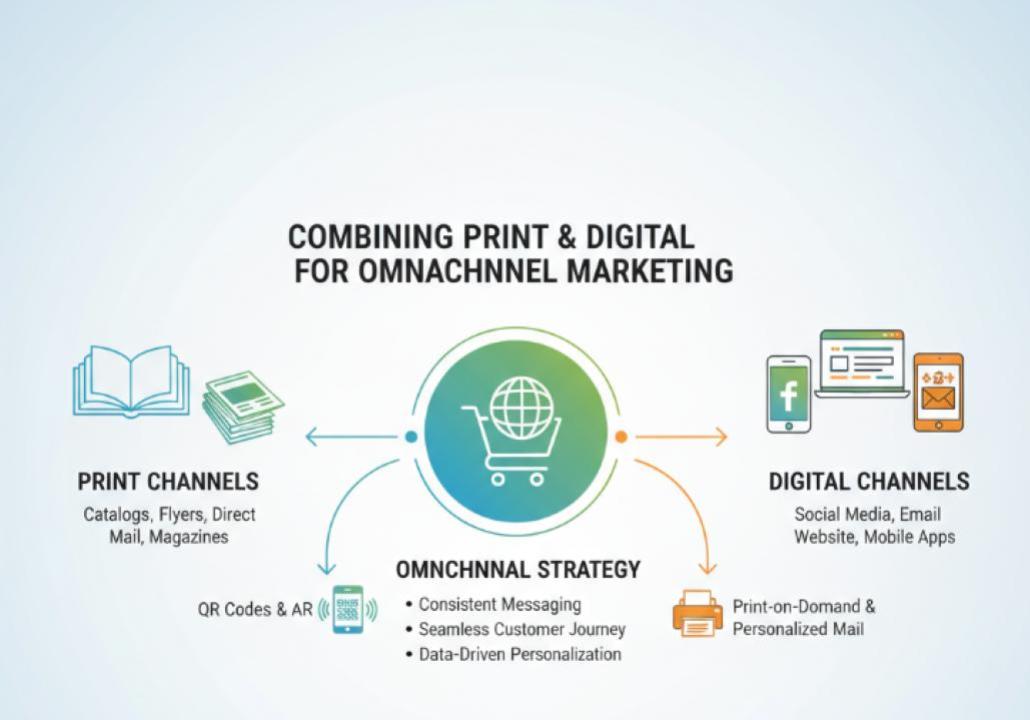
Today's consumers don't go straight from awareness to buy. They zigzag through sites, physical stores, and media channels. That's where omnichannel fits in. Instead of keeping print and digital as separate strategies, the greatest brands employ them in tandem to create cohesive, unbroken customer journeys.
Today, we're going to address why print and digital succeed together, how to do it, and actual tactics you can implement — whether you're a small business or global brand.
Why Omnichannel Matters
Consumers today want flexibility. One consumer will see a brand on Instagram, pick up an ad at a local coffee shop, scan a QR code, and buy online. Studies show that customers who use many channels spend more on average than those using a single channel, and they are more loyal in the long run. They don't want to have to change their interaction >
By mixing print and digital, you're not duplicating effort — you're multiplying impact. Print establishes trust and tangibility, while digital provides speed, contextuality, and interactivity. Together, they complement one another.
The Distinctive Strengths of Print and Digital
Print: trust, focus, and memorability
Print communications like brochures, flyers, and posters leave lasting impressions. Recent research in neuroscience has found that people read printed information with more emotional engagement than digital, and retain information better down the road. A well-designed direct mail piece or poster also stands out because it's not competing with boundless digital distractions.
Digital: data, reach, and agility
Digital channels are superior in terms of scale, measurement, and velocity. You can measure clicks, retarget audiences, personalize emails, and adjust in real-time. Digital is perfect for instant updating and focused messaging, but lacks the physical "weight" of print.
The sweet spot is to marry both — let print get people online, and let digital enhance and personalize print campaigns.
How to Seamlessly Integrate Print and Digital
Use QR Codes as Bridges
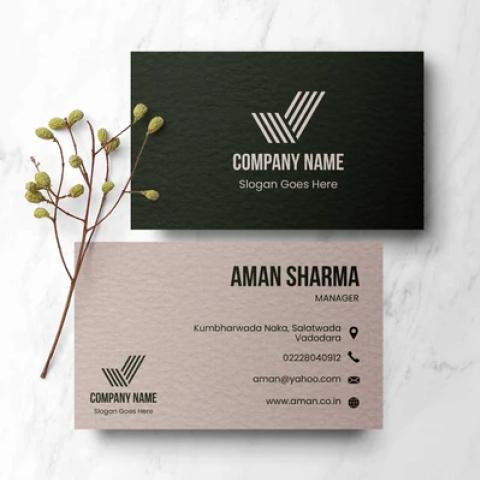
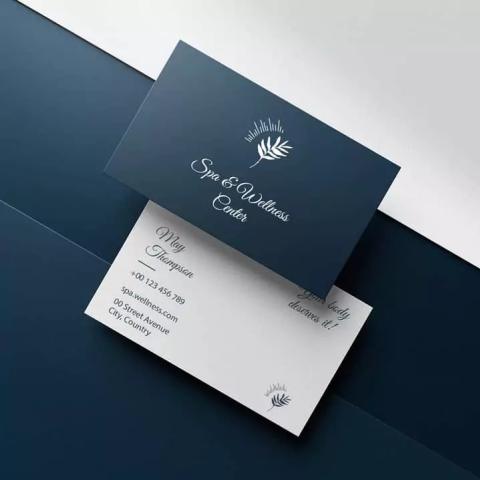
QR codes are mainstream once more, particularly after the pandemic. Placing them on flyers, business cards, or posters provides a frictionless means of transitioning customers from print to digital. For instance, an advertisement for a restaurant in the form of a flyer can
have a QR code that directs to an online menu or reservation portal.
Personalize Direct Mail with Digital Data
Brands are now using customer information to customize print. Imagine sending a catalog in which product recommendations mirror someone's most recent browse history. This "programmatic print" approach aligns print with the degree of personalization people expect online.
Retarget Print Audiences with Digital Ads
If someone scans a QR code on your printed piece, you can tag them online for retargeting. That offline action is now measurable, and you can resume the conversation on social media, search, or email.
Make Print Shareable
Posters, postcards, and branded materials may be designed for in-store distribution as well as for online sharing. A striking design created with a printable poster maker can serve as both a in-store promotional piece and a downloadable digital piece for social sites.
Real-World Examples of Print + Digital in Action
Retailers: Multiple fashion brands distribute seasonal catalogs that include QR codes leading consumers instantly to purchasing pages. This hybrid maintains the aspirational quality of print while enabling quick digital conversion.
Events: Concert promoters distribute posters or flyers with scannable codes directing consumers to ticket websites. The print generates excitement in the local community, and the digital connection spurs immediate ticket purchases.
Nonprofits: Donation campaigns use print mailers to convey emotional appeals but include QR codes or short links so donors can give online immediately.
Restaurants & Cafés: Local restaurants use table tents and menus with QR codes for ordering or loyalty sign-ups, combining the in-store dining experience with digital convenience.
Measuring Success Across Channels
One of the challenges for omnichannel campaigns is attribution — determining which touchpoint receives credit. Happily, digital bridges make measurement easier:
Print interactions can be traced using special QR codes.
Custom URLs or promo codes on print collateral make it easy to measure conversions.
Surveys and customer feedback can establish if print was the driver of awareness.
The secret is not to consider channels in isolation. Print may create awareness, while digital closes the sale. Both combined build a coherent funnel.
Actionable Takeaways for Getting Started
Develop strategically - Do not design print campaigns in isolation. Pose the question: how is this going to power digital engagement?
Ensure branding consistency - Fonts, colors, and tone must be consistent across print and digital assets. A customer should recognize you immediately no matter what media.
Design simply - Flyers or posters should emphasize the best things — a great headline, a compelling offer, and a simple next step (QR code, link, or CTA).
Test and iterate - Test two QR placements or design treatments and track which results in more scans. Omnichannel campaigns can benefit from the same data-driven optimization as digital-only campaigns.
Make the right partners - Printing houses and digital teams need to collaborate to ensure formats, modes of tracking, and creativity align.
The lines between print and digital are blurring more and more. Augmented reality (AR) is being overlayed on print adverts, so customers can scan an image and have interactive material. Variable data printing continues to evolve, enabling hyper-personalized print runs from digital behavior. Even sustainability is changing campaigns, with brands moving predominantly towards green print content within digital-first strategies.
Closing Thought
Omnichannel marketing is not about print versus digital — it's about combining them so that each reinforces the other. Print provides tangibility and trust; digital provides speed and data. Together, they form more powerful, more remembrance-worthy customer experiences that propel people effortlessly from awareness to action.