A reliable and trustworthy blockchain development company is defined by its deep technical skill, its strict dedication to system security and quality assurance, and its transparent, structured approach to project execution and long-term support. The process of building a decentralized application requires specialized knowledge that goes beyond standard software practices. A dependable firm will use an authoritative process that prioritizes cryptographic security, ensures proper legal and technical governance, and shows a clear ability to handle complex system integration. The right partner acts as a true expert, guiding the business away from common mistakes and setting up a digital system that remains stable and scalable for years. The ability of a firm to deliver a secure and lasting digital system hinges on these core attributes.
Technical Authority in Distributed Ledger Systems: Specialized Knowledge of Core Blockchain Principles
A company’s primary reliability comes from its specialized knowledge of core blockchain principles. This goes far beyond simply coding a smart contract. It involves having a deep, theoretical, and practical technical authority in distributed ledger systems themselves. This depth of proof of expertise in diverse blockchain protocols is critical to the foundation of any successful project.
The expertise must include a strong grasp of the various consensus mechanisms (such as Proof-of-Stake or Proof-of-Authority) and the mathematical principles of cryptography that make the data secure. A credible firm can clearly explain why a specific consensus method is best for your project, detailing its effects on transaction speed, cost, and network security. They understand that a blockchain’s immutability—the inability to change records—makes initial design decisions final and very important, which calls for great care in the system's basic structure. If a system is not built correctly at the start, fixing problems later can be extremely difficult, sometimes impossible, without a complete restart.
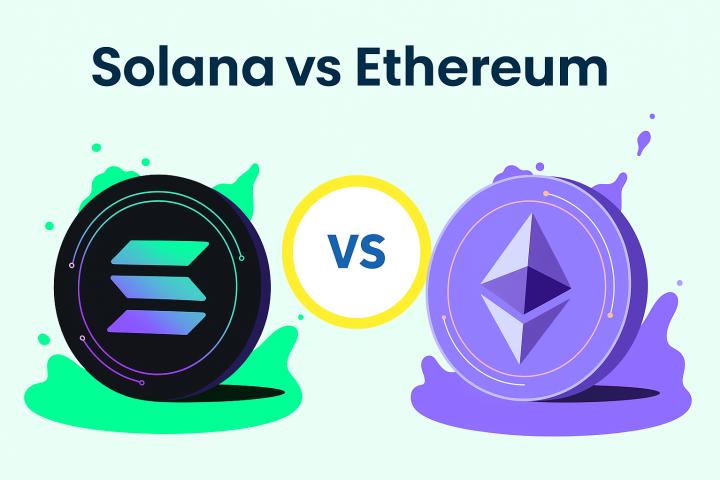
This level of technical authority is what allows a company to act as a proper consultant, not just a contractor. They should be able to make smart choices about the right base platform (like Ethereum, Hyperledger, or Solana) for your specific use case, making sure the project starts on a solid foundation. Their developers must not only know the programming languages (like Solidity, Rust, or Go) but also the specific tools and methods used for creating digital systems that function correctly when decentralized. This deep assessment of developer expertise in decentralized technology ensures the architectural design supports the business goals without sacrificing security or performance. A true expert will offer clear reasoning for all their technical recommendations, linking every choice back to the business's goals for speed, access, and security.
A trustworthy partner must also show ability in solving common issues related to distributed systems, such as dealing with data storage off the main ledger and managing communication between different parts of the system. This comprehensive understanding of system architecture for decentralized applications is what separates a truly authoritative developer from a less experienced one. Without this deep technical grounding, the project is exposed to numerous technical risks.
Commitment to Quality and Auditing Practices: Ensuring Smart Contract Security and Code Integrity
The trustworthiness of any decentralized application is directly related to the quality of its code, particularly the smart contracts that manage the logic and assets. A dependable development partner demonstrates a strong commitment to quality and auditing practices throughout the entire development lifecycle. This dedication to checking security measures and code quality in decentralized systems is non-negotiable.
The Importance of Smart Contract Security and Testing
Smart contracts automate critical business rules, and a single mistake in their code can lead to irreversible financial losses or system failure. A reliable firm treats ensuring smart contract security and code integrity as the highest priority. This means they do not just write the code; they have a formalized, step-by-step process for thoroughly checking it. They use strict internal quality assurance procedures and tools to test the code against all possible threats, looking for known faults like re-entrancy attacks or logic errors. They must show a clear, well-documented process for how code is written, reviewed by peers, and tested for functional correctness. This attention to detail is essential because, once a contract is launched onto the chain, it cannot usually be changed.
Mandatory External Audit Protocols
Beyond internal checks, a reliable company makes mandatory external audit protocols a standard part of their delivery. This involves using respected, third-party security firms to conduct a deep, line-by-line review of the smart contract code before it goes live. These auditors act as an impartial third party, looking for security holes that the developers might have missed. They should be transparent about which auditing firms they work with and what their process is for responding to and fixing any vulnerabilities that the audit discovers. This willingness to allow outside experts to check their work is a clear signal of their confidence and professionalism, providing a key layer of trust. The business should receive a full report showing that the code has passed the necessary security checks and that any problems found were corrected before deployment.
Rigorous Quality Assurance for the Whole System
The commitment to quality must extend beyond smart contracts to the entire application, including the front-end user interface and any centralized server components. A reliable firm performs full-stack quality assurance for decentralized systems, making sure that the different parts communicate correctly and that the user experience is smooth and secure. The entire system must be tested under conditions that mirror real-world usage, including high traffic loads and various network speeds. This complete approach to quality minimizes the chances of system failures or usability problems once the application is made available to the public.
Structured and Transparent Development Processes: Evaluating Project Governance and Methodologies
The process a company uses to manage the project shows how organized and reliable they are. A company that is structured and transparent allows the client to see progress clearly, which builds trust. Evaluating project governance and methodologies is key to a smooth partnership and is reflected in the firm's clear approach to building the system.
Use of Agile and Iterative Methods
A professional blockchain development company uses modern, flexible project management methods, such as Agile or Scrum. These methods divide the large project into small, manageable cycles, allowing for regular, measurable progress and timely feedback. This iterative approach means the business receives functioning parts of the application often, allowing for changes to be made easily without delaying the whole project. Ask to see a detailed project roadmap that clearly defines milestones and delivery dates. This framework shows that the firm has a plan and is not just randomly moving forward.
Clear and Consistent Communication
Trust comes from clarity. The company must set up a process for clear and consistent communication. This involves having a single, easily accessible project manager who gives regular status reports and explains technical decisions in plain language. Transparency also means being upfront about potential roadblocks or technical challenges and working with the business to find solutions quickly. They should be willing to document all key decisions and changes in scope. This open >clear communication and structured project tracking for blockchain solutions minimizes misunderstandings and keeps everyone focused on the common goal. The ability to listen and fully understand the client's business concerns is just as important as the ability to code.
Strict Version Control and Documentation
A hallmark of a trustworthy development process is strict control over the code and detailed documentation. The firm must use industry-standard tools for code version control, which tracks every change made to the code base. Furthermore, they must provide complete technical documentation for the system's architecture, smart contracts, and user guides. This documentation is a vital asset for the business, ensuring that the system can be maintained and updated by other teams in the future if necessary. Good documentation proves the firm is professional and ready to transfer system knowledge completely to the client.
Focus on Scalability and Future-Proof Architecture: Building for Long-Term System Performance
A reliable solution is one that can grow with the business. A key measure of a trustworthy blockchain partner is their focus on scalability and future-proof architecture right from the start of the design phase. They must have a deep understanding of long-term system stability in a decentralized network.
Designing for High Volume and Low Cost
Scalability means the system can handle a great increase in the number of users and transactions without slowing down or becoming too expensive to operate. The development firm should discuss concrete strategies for dealing with high network load, such as using Layer 2 scaling solutions (like rollups or sidechains) or optimizing the smart contract code to reduce transaction fees (gas costs). Their design choices should show they understand the limits of the chosen base platform and how to build a solution that overcomes them. This includes careful planning for how data will be stored and retrieved, which can greatly affect system speed.
Modular and Flexible System Design
A future-proof architecture is one that is built in separate, well-defined parts, or modules. This modular and flexible system design means that when the business needs to add a new feature or replace an old one, the developers can do so without having to rebuild the entire application. This greatly reduces the cost and time required for updates down the line. A reliable company plans for this expansion from day one, which is a key part of designing a scalable and adaptable blockchain solution for business growth. They build the system so that new functionality can be added by simply integrating new modules, ensuring the core platform remains stable.
System Interoperability and Integration
For most businesses, the new blockchain solution must work well with existing software and data systems. A trustworthy company will prioritize system interoperability and seamless integration with the client’s current infrastructure (like accounting software, supply chain systems, or databases). Their plan must show how they will securely connect the decentralized application with these centralized parts, ensuring data consistency and smooth operation across the entire business technology framework. This focus on fitting the new system into the existing environment is a sign of a mature and reliable technology partner.
Authoritative Compliance and Governance Knowledge: Adhering to Legal and Industry Standards
Blockchain operates within an evolving legal landscape, and a company's ability to ensure a compliant system is a major factor in its reliability. A truly authoritative firm shows deep compliance and governance knowledge, making sure the system adheres to all necessary legal and industry standards. This ensuring regulatory adherence and proper governance in decentralized application development is essential for long-term viability.
Understanding Regulatory Frameworks
The firm must have a clear understanding of relevant regulatory frameworks that affect the project, whether they relate to data privacy (like GDPR), financial services (like KYC/AML rules), or the handling of digital assets. They should guide the business on how to structure the system to avoid legal risks. This is especially true for projects that involve a level of control over the network or token distribution. The team should include or consult with legal experts who specialize in this area. They help the client structure the solution so it can operate without fear of future penalties or forced shutdowns due to regulation changes.
Implementing Secure Data Practices
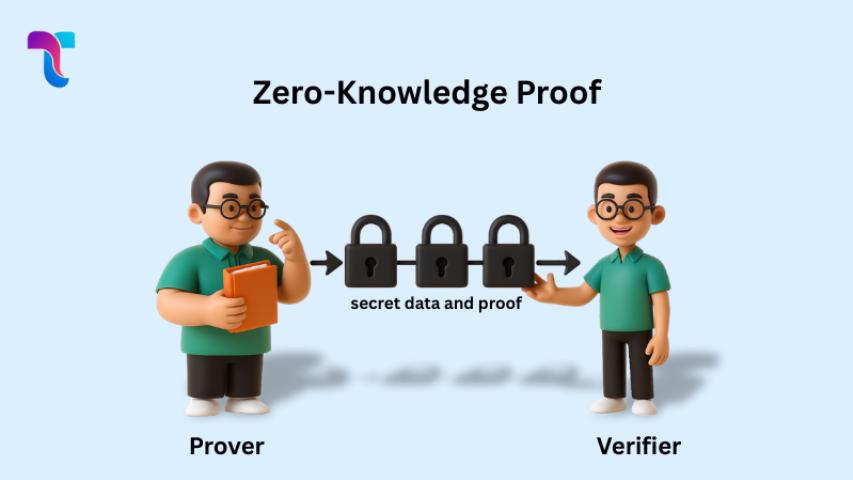
Beyond legal compliance, a reliable firm must follow secure data practices within the code itself. This includes proper handling of user data and private keys using secure methods like encryption and hashing. They need to know the right ways to manage user identity and access within the decentralized environment, making sure that while the ledger is distributed, sensitive information remains protected and governed properly. The company should have protocols for dealing with data that must be kept private or that needs to be permanently removed from the public record, using advanced techniques like off-chain storage or zero-knowledge proofs where appropriate.
Commitment to Decentralization Principles
A dependable partner demonstrates a commitment to the principles of decentralization, even when building permissioned or private systems. They should discuss the governance model for the decentralized system—who controls the updates, who verifies the transactions, and how decisions are made about the system's future. A system that relies too heavily on a single point of failure or control is less trustworthy. The firm’s guidance on establishing fair and clear rules for the system’s operation shows their integrity and authoritative knowledge of what makes a decentralized system truly function.
Long-Term Partnership and Support Planning: Guaranteeing System Longevity and Maintenance
The value of a blockchain system depends on its availability and continued security after it is launched. A top-tier development firm sees itself as a long-term partner, not just a builder, and demonstrates this through clear support planning. This is key to evaluating long-term support and maintenance for decentralized solutions.
Post-Launch Maintenance and Monitoring
A reliable company offers dedicated services for post-launch maintenance and monitoring. This includes having systems in place to watch the live application for any signs of trouble, such as slow transaction times or security issues. The maintenance plan should detail how they manage necessary updates to the underlying blockchain protocols, which change often. They must ensure the system stays current with network upgrades and new tools to prevent problems. They should provide a service level agreement (SLA) that clearly states what level of ongoing support the client will receive.
Commitment to Bug Resolution and Security Patches
A key measure of their commitment is their process for bug resolution and security patches. The support contract should clearly define the expected time to fix a serious issue, especially a critical security flaw. The firm must be ready to quickly deploy fixes and updates to deal with any problems that arise. This dedication to system longevity shows their belief in the quality of the product they built and their continuing responsibility for its stable operation. A reliable firm allocates resources specifically for rapid response to security alerts, ensuring that the system is protected against new and known weaknesses.
Transfer of Knowledge and Asset Ownership
Trust is cemented by the complete and honest transfer of knowledge and asset ownership to the client upon project completion. The company must hand over all the necessary code, intellectual property, and detailed operational guides. This ensures the business is not completely dependent on the original developer for all future changes. This clear ownership of the digital assets provides the client with ultimate control and flexibility, which is a final mark of a reliable and transparent partnership.
Conclusion: The Pillars of Trust in Blockchain Development
Trustworthiness in a blockchain development company is built on a foundation of technical depth, rigorous quality processes, and a professional project methodology. Reliability means more than just coding skills; it means demonstrating technical authority in distributed systems, maintaining a strict commitment to quality and auditing, establishing structured and transparent development processes, and building systems with a clear focus on scalability and future-proof architecture. By requiring firms to show this level of authoritative compliance and governance knowledge and a plan for long-term partnership and support, a business can select a partner capable of delivering a secure, functional, and durable decentralized application that will serve its needs for years to come. The right choice is a partner who acts with expertise and integrity at every step.