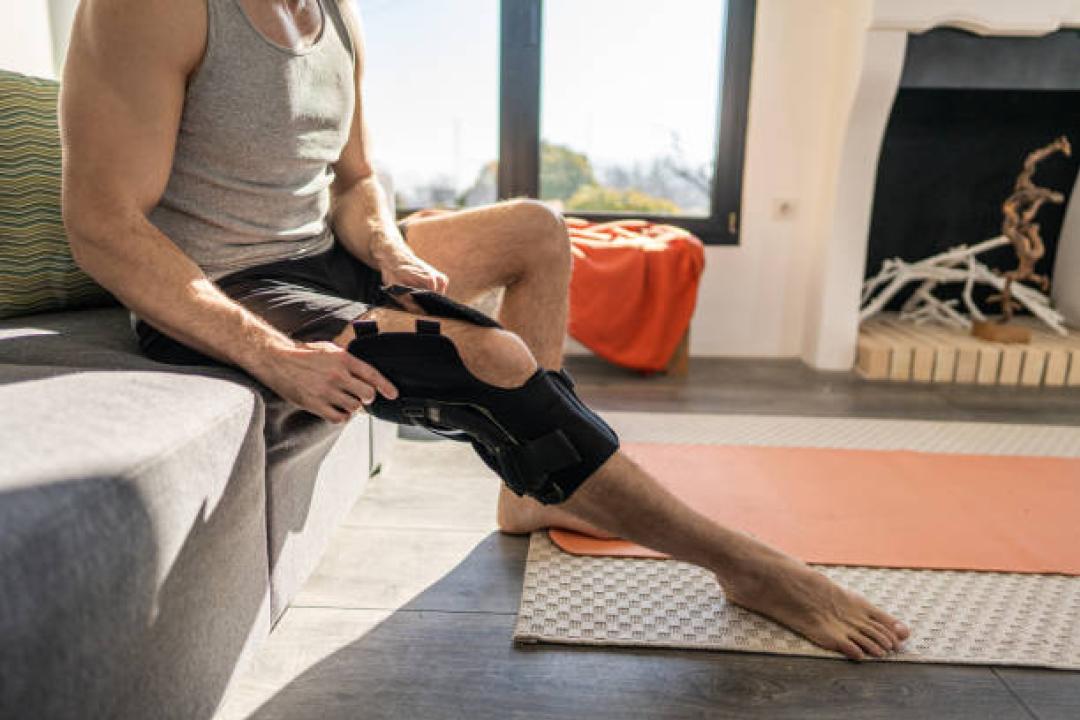
Knee pain holds you back, turning simple tasks like climbing stairs or chasing a ball into big challenges. Muscles tire, or each step starts to drag. A Hinged Knee Brace steadies your leg, shields the joint, to guides every smooth stride. It helps your body rebuild power after therapy or surgery. With steady effort through the right brace, you regain balance, walk with ease, to move without worry. Each step feels lighter or freer, helping you return to an active, pain-free life filled with energy or confidence.
Why Knee Support Matters
Your knees carry your body’s weight every day. When pain or injury strikes, you need good support to keep them steady. A proper knee brace guides the joint, controls movement, to stops sudden twists that could harm your recovery.
Key Benefits
Lifts pressure off sore areas.
Steadies your balance with movement
Builds muscle control
Understanding Knee Injuries or Strain
The knee bends, twists, to bears weight all the time. When muscles or ligaments weaken, pain often follows.
Common Knee Problems
Ligament tears: From sports or sudden turns
Meniscus damage: When the knee twists too far
Patellar pain: From stress or weak muscles
The right brace helps your joint rebuild strength with the help of therapy.
Types of Knee Support for Pain
Each knee problem feels different, to every brace plays its own role. Picking the right Knee Support for Knee Pain can shape how well or how fast you heal.
Common Options
Elastic sleeves: Light support for mild pain
Wrap-around braces: Adjustable with easy-to-tighten
Hinged braces: Firm protection for bigger injuries
Each type fits a need. A physiotherapist can guide you toward what suits your body best.
Strength Through Smart Support
Healing demands motion, but safe motion. A hinged brace bends to straighten with your leg, yet blocks unsafe twists. It steadies your step, strengthens trust, to helps you move with less fear during therapy.
Helpful Uses
Shields' knees after ligament strain
Guards joints during workouts
Keeps legs straight during stretches
A strong brace helps your muscles do their job safely to rebuild strength faster.
Key Features of a Good Knee Brace
A good knee Support for Knee Pain feels like a second skin. It supports without squeezing to let you move without pain.
Important Features to Look For
Adjustable hinges: Bend freely but stay stable
Breathable fabric: Keeps skin cool or dry
Firm straps: Hold steady through movement
A well-made brace moves with you to keep comfort close while you train or walk.
Brace Up for Healing
In Singapore’s warm, humid air, comfort matters. You need a brace that breathes or dries fast. Light, airy materials keep you cool to stop skin rashes. A snug fit lets you move without slipping or being too tight.
What to Check
Fit with flexibility
Soft, cool materials
Easy to clean or dry
Try walking or bending while wearing it to see if it holds steady to feels right.
How Physiotherapy or Knee Braces Work Together
Hinged knee brace for physiotherapy Singapore trains your muscles to grow stronger or steadier. A hinged brace adds balance with safety. Together, they help you move freely without straining the joint.
Physiotherapy Activities Supported by a Brace
Leg extensions to build muscle
Step-ups to improve balance
Light squats for control
Each exercise stretches to strengthens your knee while the brace keeps it aligned.
When to Use a Knee Brace
You may wear your brace during activity or all day, based on your needs.. It helps when pain or weakness limits your movement.
When to Wear a Brace
After knee surgery
During gym or sports sessions
When healing from ligament injury
Ask your physiotherapist how long to wear it for the best results.
Caring for Your Knee Brace
Your brace stays close to your skin to gather sweat. Clean it often to keep it fresh or strong. Careful washing also helps it last longer.
Simple Care Tips
Wash gently with mild soap.
Rinse in cool water
Air dry in the shade.
Keep your brace dry or clean to make it work like new every day.
Signs You Might Need a New Brace
Even strong braces wear down after months of use. If your brace feels loose or slips often, it’s time for a replacement.
What to Watch For
Loose straps that don’t hold
Thin, torn fabric
Hinges that creak or jam
A new brace restores stability with comfort, keeping your knee safe or strong again.
Role of Confidence in Healing
Healing takes more than exercise; it takes belief in your body. A stable brace builds trust, letting you move without fear. Hinged knee brace for physiotherapy Singapore trust pushes you to stay active, which speeds recovery.
Why Confidence Matters
Makes you move more often
Reduces worry about pain
Strengthens posture to balance
Confidence shapes both your mind with your body during the journey to full recovery.
Balancing Exercise or Support
Healing doesn’t mean constant movement. You need to balance effort with rest. Exercise strengthens muscles, rest heals them, to your brace keeps them steady in between.
Balanced Recovery Tips
Follow your physiotherapist’s plan closely.
Use the brace during active hours.
Rest when your knee feels sore.
Balance gives your knee time to grow stronger without strain or swelling.
Building Long-Term Knee Strength
Once your knee feels steady again, keep nurturing it. Gentle exercise with stretching of the right brace can strengthen it to keep it firm for years.
Long-Term Habits
Walk often to build strength.
Avoid sitting too long.
Warm up before exercise.
Healthy habits help your knees move freely in life..
Importance of Listening to Your Body
Your body often warns you before pain returns. Pay attention to small signs. A light ache or tightness might mean you need rest or a brace again.
Listen for These Clues
Soreness after walking or climbing
Cracking sounds during bending
Swelling after long activity
Taking short breaks or wearing your brace during these times can stop small problems from becoming big ones.
Final Thought
Healing your knee takes courage, patience, to steady work. As you stretch to move again, strength slowly returns, with pain fades away. A Hinged Knee Brace supports your journey, holding your joint firm while you move with confidence. It helps you bend, walk, to climb without worry. Trust your body, follow your therapist’s plan, to keep moving forward. With care or focus, your knee strengthens daily, bringing comfort with ease to every step.
Frequently Asked Questions
1. How long should I wear a knee brace each day?
Ask your therapists if you can avoid your brace during busy hours or exercise. Take it off while you rest to let your skin breathe so that your muscles stay flexible.
2. Can I exercise while wearing a knee brace?
Yes, you can. The brace steadies your knee as you walk, cycle, or train gently. It guards your joint from twisting or strain while you rebuild strength with control.
3. How do I clean or maintain my knee brace?
Wash it softly with mild soap in cool water. Let it air dry fully. Check straps or hinges often to keep them tight, clean, to ready for daily use.