
A blockchain development company is a specialized firm that helps businesses design, create, and manage digital ledger solutions. These solutions use blockchain technology to provide high security, transparent data records, and efficient processing for a wide range of uses, such as supply chain management, financial services, or identity systems. Selecting the right partner is a critical business decision that directly affects the success, stability, and future growth of your project. This guide breaks down the simple, logical steps for businesses to follow when looking for a development company to create their decentralized applications (dApps) or other distributed ledger technology (DLT) solutions.
Redefine Your Business Operations with Blockchain – Get Started Today!
1. Determining Project Requirements and Business Needs
The first and most important step before engaging with any developer is to clearly define what you want to achieve. A successful search for the best blockchain development service starts with an exact blueprint of your needs. You must define the problem you want to solve, the way you expect the technology to solve it, and the type of blockchain system needed.
Defining the Specific Problem
Start with the core business issue. Are you aiming to solve problems with slow data exchanges, a lack of transparency with partners, or a need for a more secure way to track assets? Clearly state the business objective first. For example, instead of saying, "We need a blockchain," say, "We need a secure, shared record system for logistics data that is instantly verifiable by all our shipping partners." This focus helps narrow down the necessary features and avoids wasteful over-development.
Choosing the Right Blockchain Type
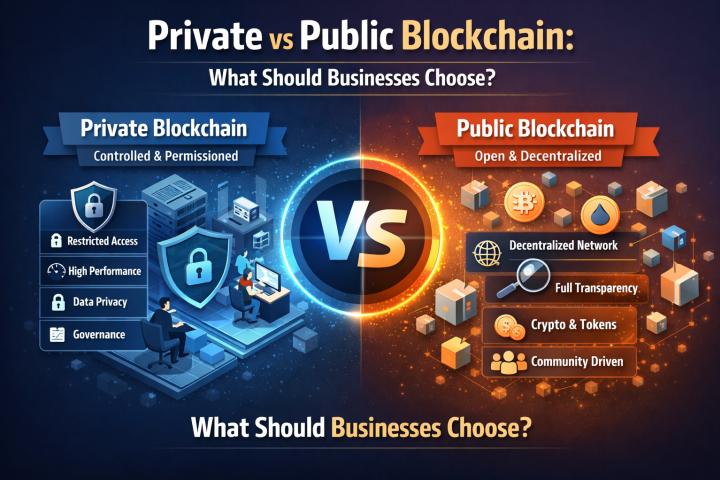
Different business problems require different blockchain structures. You must decide if your solution needs to be a private blockchain development or a public one.
Public Blockchain: Like Ethereum or Bitcoin, these are open networks where anyone can read the data and send transactions. They offer the highest level of trust and decentralization but can have slower speeds and higher transaction fees. They are best for applications that need universal access and complete transparency.
Private/Permissioned Blockchain: These are restricted networks controlled by a few authorized entities, such as a group of companies. They offer much faster transaction speeds, more controlled access, and better scalability. They are ideal for business use cases like supply chain tracking or inter-bank settlements. Hyperledger Fabric is a common platform for this type.
Listing Essential Features and Functionality
Documenting all required features provides a clear statement of work (SOW) for potential vendors. This includes:
Smart Contracts: Are automated, self-executing agreements required? If so, define the rules and conditions for these contracts, such as automatic payments upon goods delivery.
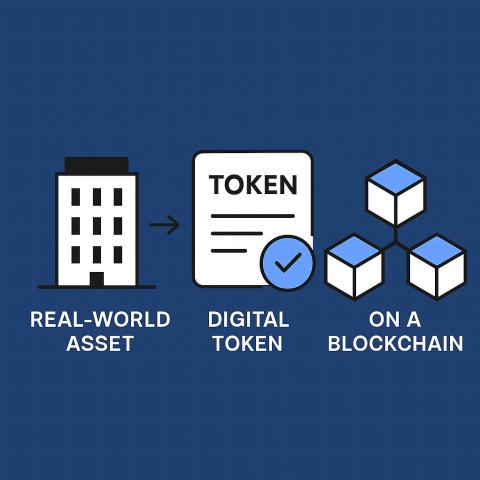
Tokenization: Will your system involve creating a custom digital asset or cryptocurrency? Define the purpose and function of this token.
Integration Points: List all existing systems (like ERP, CRM, or legacy databases) that the new blockchain application must connect with. Blockchain integration services are a key part of the project.
2. Evaluating Technical Depth and Expertise
When looking for a company, you are looking for a team with deep, real-world knowledge. Blockchain is a new and fast-changing field, so technical knowledge goes beyond simple coding ability. The goal is to find experts who understand the basic science of decentralized systems. How to hire a blockchain developer team correctly means looking at their foundational understanding of the technology.
Knowledge of Core Blockchain Concepts
A qualified team must show competence in the basic building blocks of DLT:
Cryptographic Principles: They must understand hashing, public-key cryptography, and how these elements secure the data and verify user identities without a central authority.
Consensus Mechanisms: Different blockchains use different methods (like Proof-of-Work, Proof-of-Stake, or Proof-of-Authority) to agree on the truth. The development team must be able to explain the trade-offs of each method and recommend the most suitable one for your specific project goals, like speed versus security.
Decentralized Architecture: The team should be able to design a system where data is distributed and secure, making it resistant to single points of failure.
Platform and Protocol Proficiency
The company should not be limited to a single platform but should have a broad mastery of the major ones. You need to verify their ability to work with:
Ethereum: The leading platform for smart contracts and dApp development, often requiring skill in the Solidity programming language.
Hyperledger: A suite of tools for enterprise-grade, private blockchain applications.
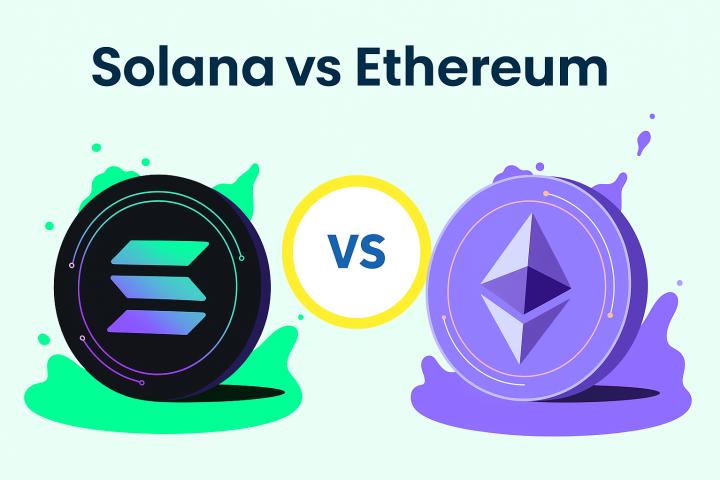
Other Platforms: Expertise in newer, fast platforms like Polkadot, Solana, or Avalanche shows a commitment to staying current with the newest technologies. A good partner can advise on the correct platform for your project, not just the one they know best. Choosing the right blockchain development company depends heavily on this multi-platform knowledge.
Code Quality and Development Processes
High-quality development in the blockchain world means clean, tested, and secure code. Mistakes in smart contracts can lead to permanent financial loss.
Secure Coding Practices: Inquire about their methods for avoiding common smart contract flaws like reentrancy attacks or integer overflows. They should follow strict, community-agreed-upon standards.
Thorough Testing: The firm should use comprehensive testing methods, including unit tests, integration tests, and security audits, to ensure the application works as expected before deployment.
Version Control: The company must use professional tools like Git/GitHub for tracking all changes to the code, which is necessary for large projects and team collaboration.
3. Understanding Development Methodology and Security Focus
The method a development company uses affects how fast, secure, and adaptable the final product will be. Finding reliable blockchain development partners involves looking at their overall approach to managing the project and their absolute focus on security.
Project Management Style
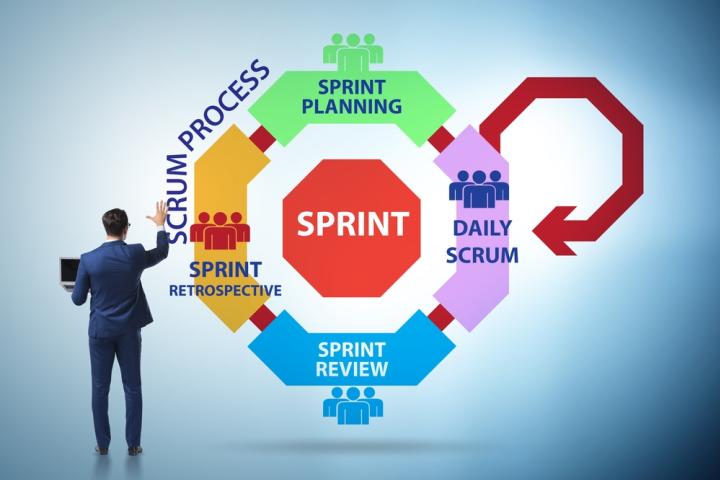
Most high-quality development uses an Agile approach, which allows for regular testing and feedback.
Iterative Development: The company should work in short cycles (sprints), delivering small, working pieces of the application often. This allows you to review progress and make changes early, saving time and resources later.
Clear Communication Flow: There must be a designated project manager who provides simple, regular updates on progress, roadblocks, and next steps. Transparency in progress reporting builds a better working relationship.
Documentation Standards: They must be systematic in documenting all the code, decisions, and system architecture. Good documentation is vital for future maintenance and for any other team that may work on the system later.
Security-First Development Mindset
Security is non-negotiable for any DLT project. The firm’s entire development process must center on protecting the system from threats. Secure blockchain application development is a main topic to discuss.
Security Audits: Ask about their process for third-party security audits. Before a smart contract goes live, it should be checked by an independent security firm specializing in blockchain code.
Risk Assessment: The team should be able to identify potential risks in your project—like regulatory uncertainty, network congestion, or smart contract bugs—and suggest solutions to prevent them.
Incident Response Plan: Though developers aim for bug-free code, they should have a clear, documented plan for what to do if a major security incident happens after launch. Quick action can limit damage.
Post-Launch Maintenance and Support
A blockchain application is never truly finished. The technology and the market are constantly changing, and the system will need regular updates, patches, and improvements.
Ongoing Maintenance: The development company should offer services to monitor the live application, fix any bugs that appear, and make sure all connected systems continue to work together.
Upgrading and Scaling: As your business grows, your DLT solution must grow with it. Discuss their strategies for scaling the system to handle more users and transactions without sacrificing speed or security. This is often called scalable blockchain solutions.
4. Checking for Industry-Specific Knowledge and System Integration Ability
A development company with industry-specific experience can create a better product faster because they already know the rules and common problems in your sector. A firm specializing in enterprise blockchain development solutions knows how to connect DLT with traditional business operations.
Relevant Industry Experience
The principles of DLT are the same, but the implementation is different for every sector.
Financial Services (DeFi): Experience here means knowing about financial regulations, high transaction volumes, exchange rules, and compliance requirements like KYC (Know Your Customer) and AML (Anti-Money Laundering).
Supply Chain: A firm with supply chain experience will understand the need for real-time item tracking, cross-border documentation, and dealing with various physical sensors and data input methods.
Healthcare: Experience in this field means deep knowledge of data privacy laws like HIPAA and the careful handling of sensitive patient records.
Gaming (GameFi/Metaverse): This requires specific experience with creating non-fungible tokens (NFTs), managing in-game economies, and handling a huge number of micro-transactions.
API and Legacy System Integration
Most DLT projects must connect with old, existing business software. The company must be experts in creating and using Application Programming Interfaces (APIs) to allow smooth data flow between the new decentralized application and the older, centralized systems.
Data Synchronization: They should explain their plan for making sure that data is correctly and securely synchronized between your existing database and the new blockchain ledger.
Middleware Solutions: Sometimes, a separate piece of software (middleware) is needed to translate data between systems. The firm should show their expertise in using or building these connecting layers.
5. Preparing for the Selection Process and Finalizing Partnership
The final steps involve systematic comparison and starting the business relationship correctly. Having a clear set of steps will help you choose the ideal blockchain consulting and development firm.
Systematic Vendor Comparison
Create a simple scorecard based on the points discussed above. Evaluate each potential partner by giving them scores for:
Technical Fit: Does their platform expertise match your needs (e.g., public vs. private, Ethereum vs. Hyperledger)?
Methodology Clarity: Is their project management clear and are their security standards high?
Industry Relevance: Have they worked on projects that solve similar problems in your sector?
This simple review helps remove guesswork and focuses the decision on objective requirements.
Beginning the Project Definition Phase
Before any coding begins, you must agree on a clear scope for the work.
Detailed Scope of Work (SOW): This document must clearly list all the features, deadlines, deliverables, and acceptance criteria. This protects both parties by making sure everyone knows exactly what the finished product must do.
Milestones and Deliverables: Break the entire project into small, manageable milestones. Each milestone should have a specific, measurable result (a deliverable) that you can test and approve. This step-by-step approach ensures progress is real and visible.
Intellectual Property (IP) Rights: Clearly agree on who owns the final code and all the tools used to create the solution. For most businesses, owning the IP of their custom system is a vital requirement. This is a common part of finalizing a contract for custom blockchain software development.
By following these structured steps—from defining the problem to verifying technical and industry knowledge, and finally, agreeing on a clear scope—businesses can find a suitable blockchain software development company that acts as a true, experienced partner for building successful, secure decentralized solutions.