
A blockchain development company provides specialized technical help to businesses that want to use decentralized ledger technology (DLT). Simply put, they are the technical builders who take the idea of a secure, transparent, and distributed system and turn it into a working application or platform. These companies do much more than just code; they offer a full range of services, starting from figuring out the best strategy to building the core infrastructure and finally deploying and maintaining the finished product. By partnering with experts in this area, organizations can make sure their project is secure, runs fast, and can handle growth over time. The main goal is to create systems that offer better security, more efficient processes, and new forms of digital ownership and interaction.
Turn Your Vision into Blockchain Reality – Get Started Now!
Consulting and Strategy for Distributed Ledger Technology
The very first step in working with a specialized firm is often a deep planning phase. This is where the company acts as a guide to help a business figure out if blockchain technology is the right fit for their specific challenge. It is not wise to build a blockchain solution for every problem, so a good firm will start with a thorough check of the business case.
Feasibility Study and Idea Validation
A crucial service is performing a feasibility study for blockchain projects. This study involves analyzing the client’s current processes—such as supply chain tracking, data management, or financial transactions—and determining if a decentralized solution will genuinely bring value. The goal is to answer a key question: Does using a distributed ledger improve the existing system in terms of security, efficiency, or cost? If the answer is yes, the next step is idea validation, which means confirming that the proposed solution is technically possible and makes sense for the market or industry it serves. This helps prevent major problems and wasted effort later on by establishing a solid, fact-based plan.
Picking the Right Blockchain Protocol
With an approved idea, the next important choice is selecting the correct underlying technology. A top blockchain development partner provides expertise across different protocols, such as:
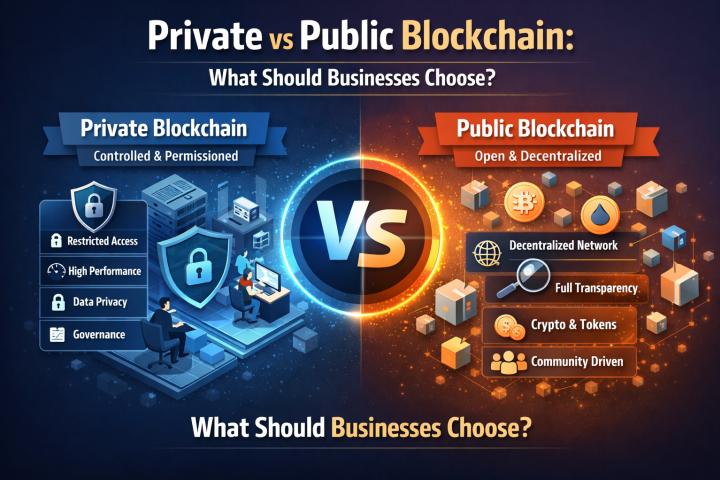
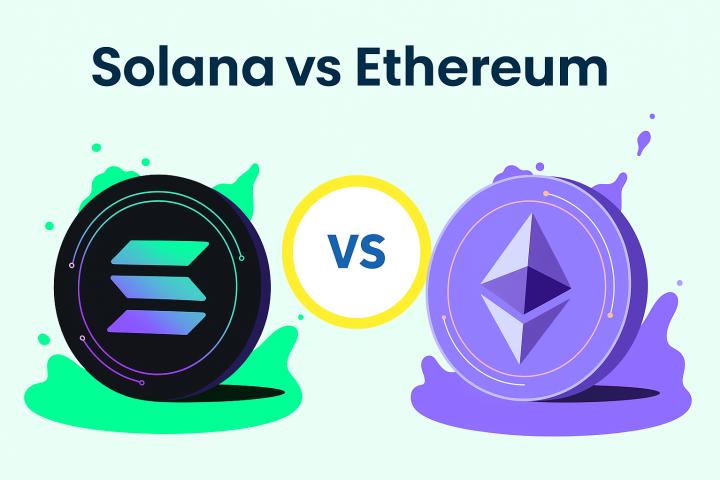
Public Blockchains: Networks like Ethereum, Solana, or Polkadot, which are open to everyone and offer high levels of decentralization and transparency. These are often used for general-purpose decentralized applications (dApps).
Private/Permissioned Blockchains: Networks like Hyperledger Fabric or R3 Corda, where participation is restricted to a select group of authorized users. These are commonly used for enterprise blockchain solutions where privacy and transaction speed are more important than full public access.
Hybrid Blockchains: A mix of both public and private elements, allowing some data to be public while keeping sensitive information restricted.
The choice of protocol directly affects the system’s performance, security, and the kind of rules it can enforce. The development firm uses its deep technical knowledge to pick the platform that perfectly matches the business’s needs for speed, privacy, and scale.
Creating the Core Distributed Systems Infrastructure
Once the strategy is clear, the actual building begins. This phase focuses on creating the fundamental digital systems that will host the entire solution.
Custom Blockchain Network Development
This service is required when an existing public network does not meet the specific privacy, speed, or feature requirements of a business. Custom blockchain network development means creating a brand-new, purpose-built distributed ledger from scratch or by forking an existing open-source protocol. This typically results in a private or consortium blockchain where the rules, consensus mechanism (how transactions are agreed upon), and participant access are fully controlled by the organization or a group of organizations. This service is key for a business that needs its system to be fully optimized for its unique operations, such as a group of banks creating a shared settlement platform or a logistics company building a secure supply chain tracker.
Developing Smart Contracts and Auditing
A core component of any automated blockchain system is the smart contract. These are self-executing agreements with the terms of the deal directly written into lines of code. Smart contract development for decentralized applications is a key service where developers write the code that handles everything from asset transfer rules to voting processes.
After a smart contract is written, an equally important service is the smart contract security audit. Since smart contracts handle value and automatically execute, any single flaw in the code can lead to massive financial losses. The audit process involves a team of security experts thoroughly checking the code for errors, vulnerabilities, and potential loopholes before it is deployed live. This technical review is absolutely essential for the trustworthiness of the final system.
Decentralized Application and Platform Development
This is the most visible part of the work: building the software that end-users actually interact with. This involves creating the user interface and the backend systems that communicate with the blockchain.
Decentralized Application (dApp) Creation
Decentralized applications, or dApps, are software programs that run on a distributed network rather than a single central server. Building decentralized applications is different from building traditional software because the application logic must be coded directly into the smart contracts on the blockchain, while the front-end (what the user sees) still needs to be intuitive and easy to use. Services here include developing:
Decentralized finance (DeFi) platforms for lending, trading, or asset management without intermediaries.
Decentralized marketplaces where buyers and sellers can transact peer-to-peer.
Gaming applications where digital assets (like in-game items) are owned by the players, not the company.
The development process must ensure seamless communication between the user interface and the underlying decentralized ledger technology.
Digital Asset and Token Creation Services
Many blockchain projects involve the creation of new digital assets. This service covers the technical process of writing the code for a new cryptocurrency or digital token. Key areas include:
Fungible Token Development: Creating standard, interchangeable tokens (like utility tokens for platform access or governance tokens for voting) that follow popular standards like Ethereum’s ERC-20.
Non-Fungible Token (NFT) Marketplace Development: Building the complete platform where unique digital assets (NFTs) can be created, bought, sold, and transferred. This includes the smart contracts for minting the NFTs (like ERC-721 or ERC-1155) and the user-facing auction and listing features. NFT development solutions for art and gaming require specific technical skills to handle unique digital ownership rights.
Crypto Wallet Development: Creating secure digital wallets that allow users to manage their newly created tokens and cryptocurrencies. These wallets must be built with the highest security standards to protect private keys.
This work ensures that the digital assets are securely created and function correctly within the chosen blockchain environment.
Integration and Enterprise Solutions
For large organizations, simply building a new blockchain is not enough. The new system must be able to talk to the existing software and databases the company already uses.
Integrating Blockchain with Existing Business Systems
This service focuses on connecting the new decentralized system with a company’s legacy software, such as Enterprise Resource Planning (ERP) systems, Customer Relationship Management (CRM) tools, and supply chain management software. Enterprise blockchain integration services require a deep technical ability in both old and new technologies. The goal is to create a secure bridge that allows necessary data to be added to the blockchain without disrupting the company’s day-to-day operations. For example, a new shipment log is recorded on the public ledger while sensitive commercial details remain private in the existing database. This is a vital step for companies moving away from paper-based or siloed digital records.
Supply Chain Tracking and Provenance Solutions
One of the most practical and popular uses for enterprise blockchain is improving the supply chain. Blockchain solutions for supply chain management provide a permanent, unchangeable record of a product’s movement from its origin to the consumer. The services involve:
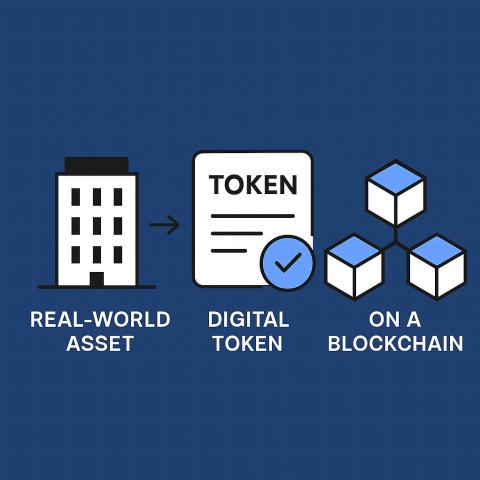
Asset Tokenization for Physical Goods: Creating a unique digital token (like an NFT) that represents a physical item, such as a luxury watch or a shipment of food.
Traceability Platforms: Building a system where every step—from raw material sourcing to packaging and delivery—is recorded on the ledger, providing undeniable proof of authenticity and origin (provenance).
Data Oracles: Setting up secure connections (oracles) that feed real-world data, such as temperature readings from a refrigerated truck, into the smart contracts to automatically trigger actions.
This work results in greater transparency, which helps reduce fraud and counterfeiting.
Security, Testing, and Ongoing Maintenance
A decentralized system requires continuous attention and specialized security checks to remain trustworthy and operational.
Blockchain Security Audit and Penetration Testing
A general security check is not enough for blockchain systems. Comprehensive blockchain security auditing involves specialized testing to find vulnerabilities in the code, the network setup, and the way the system handles user permissions. This goes beyond the smart contract audit and looks at the entire platform. Penetration testing involves simulating a real-world cyberattack to test the system’s defenses and identify weak points before malicious actors can exploit them. This service is a major factor in ensuring the trust and reliability of the final product, which is a key part of the E-E-A-T guidelines for any technical service provider.
Quality Assurance and System Reliability Testing
Before a new blockchain platform goes live, it must be proven to be fast and reliable. Quality assurance (QA) for decentralized applications includes:
Load and Stress Testing: Making sure the network can handle a high volume of transactions and a large number of users without slowing down or failing. This ensures scalability for blockchain networks is maintained.
Unit and Integration Testing: Checking every single piece of code and making sure all the different parts of the system (smart contracts, front-end, and existing databases) work together smoothly.
Security Protocol Verification: Testing the consensus mechanism and encryption methods to confirm that the network is truly tamper-proof.
Post-Deployment Support and Upkeep
Launching a blockchain system is the beginning, not the end. Ongoing support for blockchain applications is vital. This service includes:
System Monitoring: Continuously watching the network for any unusual activity, performance dips, or potential threats.
Software Updates: Making necessary changes and patches to the smart contracts or the network protocol as new security standards or features emerge.
Governance and Upgrades: For public or consortium networks, helping manage the process of community voting or member agreement for major protocol changes. This steady, reliable maintenance work is what keeps a decentralized system running safely for years.
In conclusion, a specialized blockchain development company is an essential partner for any organization looking to adopt distributed ledger technology. Their services extend far beyond simple coding, covering strategic consulting, building the custom infrastructure, creating user-facing applications like dApps and NFT marketplaces, securely integrating the new system with old ones, and providing comprehensive security audits and long-term support. By relying on this full breakdown of services, businesses gain the necessary technical depth and professional support to build reliable, transparent, and scalable decentralized solutions that are fit for the future.