Recruiters are nearly tracing a slim borderline with a very difficult task. On the one hand, talents are extremely rare and highly competitive, while on the other hand, AI tools are completely changing the way teams shortlist, assess, and hire.
What appears to be a benefit may rapidly become a problem if teams are not prepared to respond accordingly.
This article discusses the top 7 hiring challenges recruiters will have in 2026 and how using AI for hiring is a quiet way of resolving them. Each insight is supported by the statements of HR and recruiting executives and not the assumptions.
1. Skill Shortage that Keeps Getting Larger in Each Industry
Still, the biggest thorn in the side of HR teams is the difference between the requirements of the job and the skills of the candidate. In the year 2026 this difference has grown even more.
Technology positions require someone with crossover knowledge—a person who can program, understands data, and uses AI tools. The industries of healthcare, logistics, and finance are going through this as well.
Traditional hiring methods are not able to keep pace with changes quickly enough. Job boards only bring quantity, not quality.
AI solution:
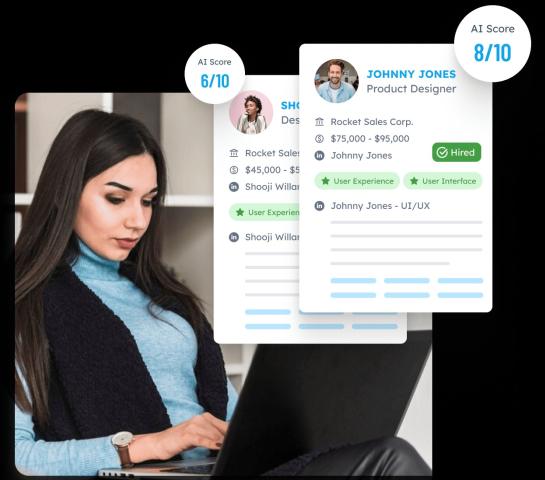
An AI recruitment platform can do the scanning of a large number of resumes very quickly and can even find the latent skills that match the job descriptions. The system learns from previous hires and modifies the filters to identify the candidates who are most likely to succeed.
As a case in point, a healthcare provider in Texas employed an AI-powered screening process and realized that some candidates had additional certifications that were not mentioned—these were the people who would have been overlooked otherwise.
2. Time-to-Hire is Shrinking, But Workloads aren’t
Recruiters have to show results of new hires in a shorter time. The average hiring cycle has shortened from 42 days to 30 (LinkedIn, 2025). This is impressive until one realizes that recruiters handle more candidates than ever.
What is really wrong? Manual screening and scheduling are stealing more hours of the day than one would think.
AI solution:
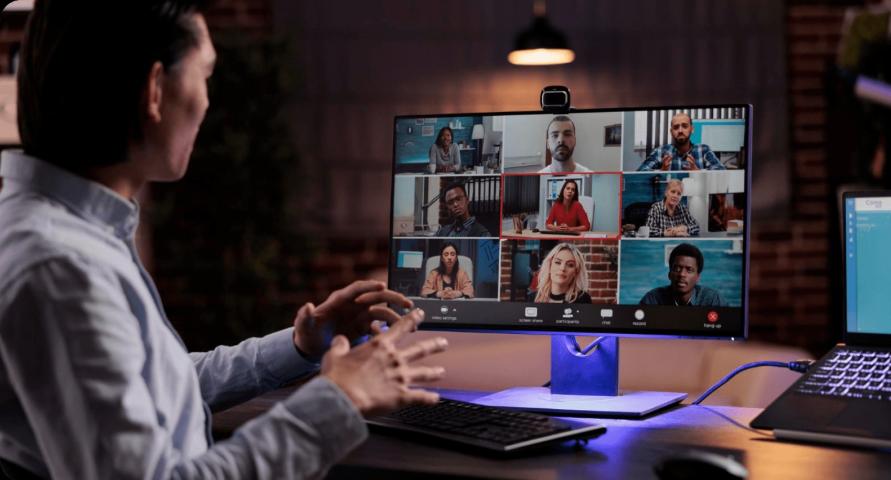
Interview scheduling, reminders, and communication can be automated by a tool like the top recruiting software for startups. Candidate interactions in video interviews can also be analyzed by some platforms, so that they can point out the strengths or the weak points.
Through the use of AI, a medium-sized SaaS company has reported that their average screening time was cut down by 60%. The saved time was used by recruiters to create a better candidate experience.
3. Candidate Ghosting has Gone Mainstream
Not only job seekers but also recruiters that feel ignored in the process. According to a survey by Glassdoor in 2025, nearly 48% of employers claimed that candidates go silent in the middle of the interview process.
The reasons are different: long hiring cycles, lack of communication, or better offers.
AI solution:
AI chatbots can inform candidates automatically. They send on-demand updates, reminders, and interview feedback personalized to the recipient within minutes. The goal is not to replace the human touch but to keep up with the communication.
Imagine it as your assistant who is always there for the follow-up. In the long run, this creates a better brand image which every recruiter is longing for.
4. Hidden Hiring Bias Remains a Challenge
Even with the implementation of strict policies, unconscious bias still manages to sneak in through the cracks of hiring decisions.
The mood, background, or even the default assumptions of a recruiter's day can influence the decisions without the recruiter's awareness.
AI solution:
AI systems that have been trained with diverse data can go a long way in offsetting bias. Such systems evaluate candidates solely based on qualifications, skills, and the performance patterns of employees. There are also some platforms that during the screening process remove all the personal details such as names or universities to ensure anonymity.
However, this is just a step forward and not a complete solution. The power of decision-making is still in the hands of recruiters—AI only limits bias.
5. Too Much Candidate Data, but Very Little Insight
Recruitment as it stands today generates a lot of data that comes from resumes, assessments, chat history, and even social profiles.
Unfortunately, most HR departments are only able to utilize a small fraction of these data effectively.
AI Solution:
Artificial intelligence analytics have the capability to transform that data into insightful information. Recruiters get to know which job advertisements bring the best candidates, at what point candidates drop off, and which skills are gaining popularity.
The use of analytics helped a staffing firm in the healthcare sector to find out that job descriptions that emphasized “growth opportunities” received 30% more qualified applicants.
6. Remote and Hybrid Hiring isn’t as Smooth as it Looks
As companies expand to hire talent globally, they face challenges such as managing different time zones, irregular communication, and assessing cultural fit. These are some of the key hiring challenges AI solve today.
AI fix:
AI-powered video interviews can not only analyze the spoken words but also the tone and the confidence of the candidate. Recruiters can get the detailed report without the need to spend their time in long meetings.
This is the case for startups. Small teams that have to play multiple roles can still look efficient and customer-friendly through the use of these instruments.
7. Building Candidate Trust in an AI-Driven World
With AI being the core of the recruitment process, candidates are becoming hesitant. They think that their applications are "judged by a machine." Such doubt can lead to lower engagement rates, especially in the case of senior positions.
AI fix:
One of the main points is transparency. Recruiters that employ AI should inform candidates about the usage of AI and comfort them that human judgment is still on the top. Giving the brief explanations on how resumes are scanned or why certain steps exist helps in building trust.
There are some companies that insert a short line in their job advertisement: "We use AI tools to match skills, but all hiring decisions are made by our recruiters." Small detail, big impact.
Conclusion
The 7 greatest hiring problems are not those resulting from a lack of talent. These problems relate to how quickly recruiters can adjust. The difficulties arising from skill gaps, lack of time, data fatigue, and candidate expectations are all different aspects of the same change in recruitment becoming a digital first process.
AI does not eliminate these problems; it merely provides recruiters with more intelligent tools to deal with them. The main thing is to keep balance. AI can be allowed to carry out the repetitive tasks while humans concentrate on the things they are most capable of understanding people.
If there is one truth that recruiters are all in agreement with, it is this: the future of hiring will not be either human or machine. It will be both, working together more efficiently.