The demand for instant delivery apps has skyrocketed, transforming how people shop for essentials. Whether it’s groceries, medicines, personal care items, or household goods, users now prefer platforms that offer fast delivery at their doorstep. One of the biggest names in this segment is InstaShop, widely popular across the Middle East and recognized for its smooth user experience and fast delivery service.
If you’re planning to build an instant delivery app like InstaShop, this guide will walk you through everything—from core features to technology stack, development steps, cost, and more.
Understanding the InstaShop Business Model
Before diving into development, it's important to understand what makes InstaShop successful. It is a multi-vendor marketplace platform that connects nearby stores with customers, enabling users to browse items, place orders, and get them delivered instantly.
Key Revenue Streams
InstaShop generates revenue from multiple channels:
- Commission Fees: A percentage charged to stores on every order placed through the platform.
- Delivery Charges: Fees collected from customers depending on distance and order size.
- Subscription Plans: Monthly plans offering free or discounted delivery.
- Marketplace Revenue: Listing fees, promotional placement, and partner onboarding charges.
For new startups, this model offers great flexibility and scope to scale quickly, especially in urban areas where demand for instant delivery is high.
Key Features Required in an InstaShop-Like App
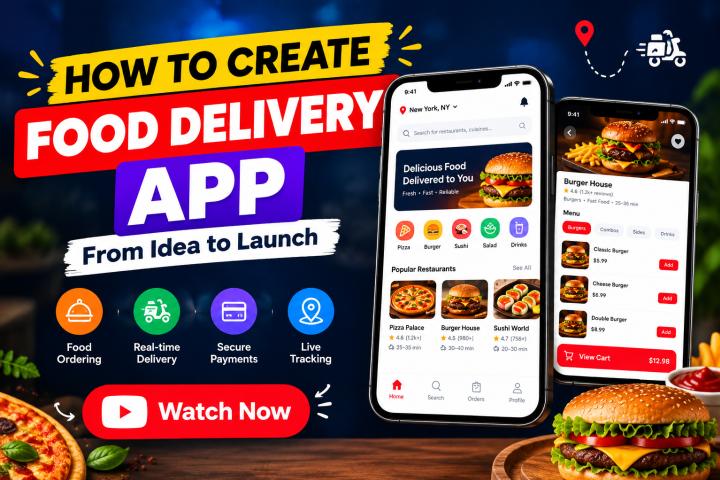
Building an app similar to InstaShop requires a complete ecosystem that includes a User App, Vendor App, Delivery Agent App, and a powerful Admin Dashboard.
1. User App Features
These features ensure a smooth, fast, and convenient shopping experience for customers. From easy registration through mobile, email, or social sign-in to location-based store listings that automatically showcase nearby shops using GPS, the app is designed for simplicity. Users can browse effortlessly with organized product categories and filters, manage their cart by saving or modifying items, and stay updated with real-time order tracking that displays the delivery agent’s live location. Multiple payment options—including wallet, cards, COD, and UPI—make checkout seamless, while coupons and offers help attract and retain customers. Additionally, features like order scheduling allow users to choose their preferred delivery time, and integrated customer support via chat or call ensures instant assistance whenever needed.
2. Store/Vendor App Features
Vendors use their own dedicated dashboard to efficiently manage listings and orders, ensuring smooth operations on the platform. Through catalog management, they can easily add, edit, or remove products, while real-time inventory updates help maintain accurate stock levels. The dashboard also provides complete control over orders, allowing vendors to accept or reject requests instantly. Additionally, they can manage promotions and pricing by creating discounts and special offers to attract customers. With built-in business analytics, vendors gain access to insightful reports on orders, revenue, and overall performance, empowering them to make data-driven decisions.
3. Delivery Agent App Features
The delivery partner app is designed to ensure timely order pickups and successful deliveries. It offers easy registration and document upload for quick onboarding, while the well-structured order pickup and drop flow provides clarity at every step. Real-time map navigation, integrated with Google Maps, helps delivery agents reach their destinations efficiently. Additionally, an earnings dashboard allows partners to track their daily or weekly payouts directly within the app, making the entire process transparent and convenient.
4. Admin Panel Features
The admin dashboard serves as the central control hub, managing all operations behind the scenes. It allows administrators to efficiently oversee users, vendors, and delivery agents, while also controlling products and categories. Features like order history tracking and fraud detection ensure smooth and secure transactions. Additionally, the dashboard handles payment and commission configurations, provides detailed reports, analytics, and actionable insights, and enables push notifications through a content management system (CMS). Together, these components form a fully functioning and well-coordinated instant delivery ecosystem.
Essential Technology Stack
To build a scalable and high-performance delivery app, choosing the right technology stack is crucial.
- Mobile Apps (Android/iOS): Kotlin, Java, Swift, React Native, or Flutter
- Backend: Node.js, Laravel, Django, or Ruby on Rails
- Database: MySQL, MongoDB, PostgreSQL
- APIs: REST APIs, GraphQL, third-party payment & SMS APIs
- Real-Time Tracking: Google Maps API, GPS location tracking
- Payment Integration: Razorpay, PayPal, Stripe, Paytm
- Cloud Hosting: AWS, Google Cloud, Azure
- Security: SSL, data encryption, server-side authentication
A strong technology foundation ensures the app performs smoothly even with high traffic.
Step-by-Step Process to Build an Instant Delivery App
Creating an app like InstaShop involves multiple phases. Here’s a complete breakdown:
1. Market Research
Study competitors, audience behavior, target locations, and pricing to find gaps and opportunities. This helps define your unique selling point.
2. Define the Business Model
Choose among:
- Single Store Model
- Multi-Vendor Marketplace Model (InstaShop’s model)
- Hybrid Model
Each has different cost and complexity levels.
3. Finalize App Features & Scope
Define what features you want in Phase 1 (MVP) and what can be added later. This step ensures faster development and cost control.
4. UI/UX Designing
A visually appealing interface improves user engagement. Key aspects include:
- Simple navigation
- Clean layout
- Easy checkout flow
- Consistent icons & colors
5. App Development
This stage includes:
- Front-End Development:- Building customer-facing screens for users, vendors, and delivery agents.
- Backend Development:- Developing APIs, database, admin panel, and server logic.
- Integration:- Connecting payment gateways, SMS gateways, and maps.
6. Testing & QA
Quality checks are important for:
- App speed
- Security
- Usability
- Performance under load
- Bug fixes
A glitch-free app is more likely to retain customers.
7. App Launch & Deployment
Once everything is ready, the app is deployed on:
- Google Play Store
- Apple App Store
- Cloud Servers
8. Maintenance & Upgrades
Instant delivery apps require constant improvements:
- Adding new features
- Third-party API updates
- Enhancing performance
- Bug resolution
Maintenance ensures long-term success.
Advanced Features That Add Competitive Advantage
To stand out in a competitive market, consider adding modern features like:
- AI Recommendations: Suggests frequently bought items.
- One-Click Reorders: Repeat previous orders instantly.
- Voice Search: Helps users find items hands-free.
- Delivery Scheduling: Allows users to plan deliveries.
- Loyalty Points & Rewards: Boosts customer retention.
- Dark Mode: Enhances visual comfort.
- Multi-Language Support: Ideal for global and regional markets.
These features help differentiate your app from competitors.
Cost to Build an Instant Delivery App Like InstaShop
The cost depends on the complexity, features, design, and region.
Approximate Cost Breakdown:
- Basic MVP App: $12,000 – $20,000
- Mid-Level App: $25,000 – $40,000
- Advanced Multi-Vendor App: $50,000 – $90,000+
What Influences the Cost?
- Number of platforms (Android/iOS)
- Technology stack
- Advanced features (AI, analytics, loyalty)
- Custom UI/UX]
- Region of the development team
- Third-party integrations
- Maintenance Cost
Expect around 15–20% of your initial development cost per year.
Monetization Strategies
Instant delivery apps have multiple ways to generate revenue:
- Commission Fees from vendors
- Delivery Charges for customers
- Promoted Listings for partner stores
- Surge Pricing during high demand
- Subscription Plans with free delivery
- In-App Advertisements
This makes instant delivery apps extremely profitable once they scale.
Challenges to Consider
While the business is booming, there are some challenges you must prepare for:
- Managing real-time delivery logistics
- Maintaining product availability
- Delivering within promised times
- Back-end server load during traffic spikes
- Finding reliable delivery partners
- Maintaining quality with multiple vendors
Overcoming these challenges ensures smooth operations and higher user satisfaction.
Why Choose a Professional App Development Company?
Creating a high-performance instant delivery app requires technical expertise. A professional instant app development company helps with:
- Faster development and quick launch
- Scalable and secure architecture
- App UI/UX that enhances user experience
- Experience in building instant delivery platforms
- Regular maintenance and future upgrades
Partnering with experts reduces risks and increases the app’s success potential.
Final Thoughts
Building an instant delivery app like InstaShop requires strategic planning, an efficient feature set, strong technology, and seamless operations. By understanding the business model, adopting the right tech stack, and focusing on user convenience, you can launch a powerful instant delivery platform that competes with leading apps in the market.