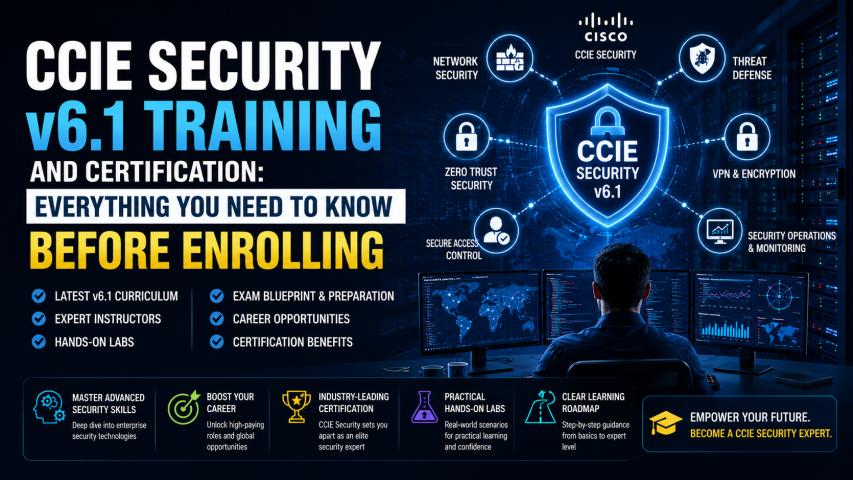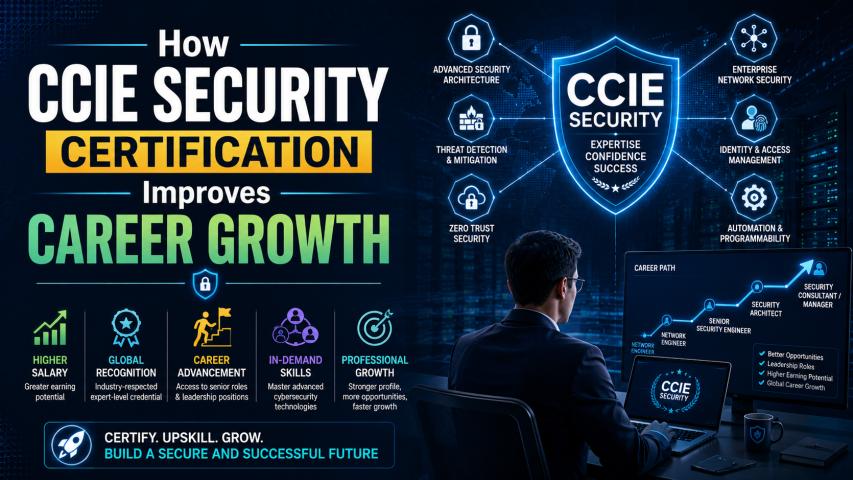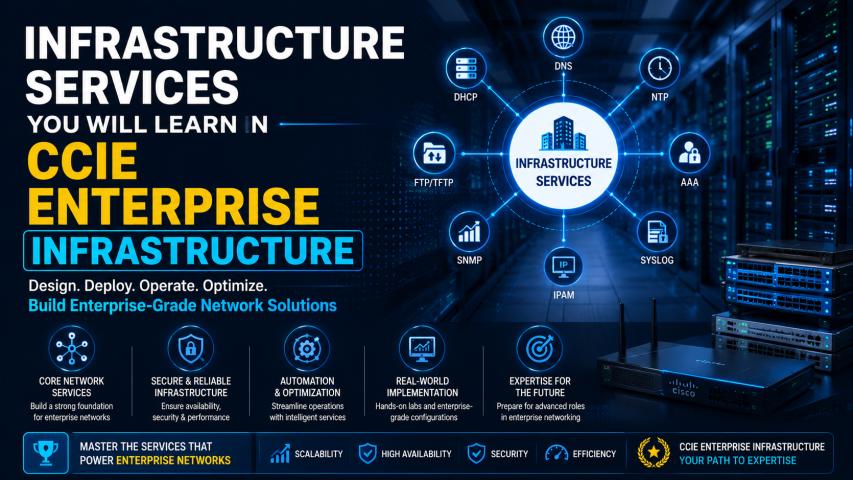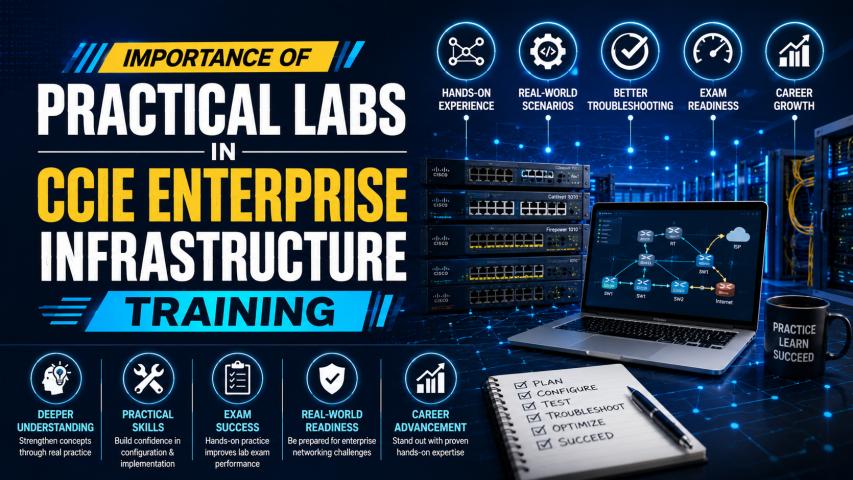

As cybersecurity ecosystems evolve with increasing velocity, professionals aiming to achieve the coveted CCIE Security certification are intensifying their focus on Firepower Threat Defense (FTD). Within the dynamic technology landscape of the United States, particularly with influential hubs like Virginia, the need for advanced technical mastery is becoming mission-critical. For this reason, Firepower proficiency has become a cornerstone of advanced CCIE preparation. CCIE Security Training in Virginia serves as a foundational enabler for students who want to develop cutting-edge capabilities in threat defense and network protection.
Virginia’s expanding cybersecurity infrastructure, coupled with the state’s strong presence of federal agencies and private-sector security operations, has positioned it as an advantageous learning environment for FTD aspirants. The region’s real-world exposure, expertise-rich instructors, and comprehensive lab environments help candidates develop the agility needed to troubleshoot, configure, and secure modern enterprise networks using Cisco Firepower.
Why FTD Skills Matter in Today’s Threat Landscape
Cisco Firepower Threat Defense has become the backbone of many enterprise-grade security architectures. Its unified approach—merging ASA firewall capabilities with next-generation threat intelligence—provides high-value defense for hybrid, multi-cloud, and on-premise environments. For CCIE Security candidates, proficiency in FTD is not optional; it is an integral requirement to master the advanced sections of the CCIE Security Lab.
FTD expertise enhances a candidate’s readiness to manage:
Intrusion Prevention Systems (IPS)
Next-generation firewall policies
Threat intelligence workflows
Application visibility and control
Secure VPN configurations
Dynamic security analytics and reporting
Top FTD Mastery Tips for CCIE Security Students in Virginia
1. Develop Command-Line Strength Through Real Labs
While Firepower Management Center (FMC) is highly visual, CCIE aspirants must also master CLI operations. Many Virginia-based training institutes provide dual-interface labs to help students gain operational versatility.
2. Build Strong Foundations in ASA to FTD Migration
Understanding migration workflows is crucial for troubleshooting hybrid deployments. Topics such as NAT, object conversion, and policy mapping are frequently tested in live labs.
3. Deep-Dive into FMC Policy Architecture
Learn the logic behind access control policies, intrusion policies, SSL decryption, and security intelligence feeds. Mastery of the policy hierarchy will significantly improve lab performance.
4. Use Scenario-Based Troubleshooting Modules
Successful FTD mastery requires candidates to operate under pressure. Virginia labs often simulate real-world outages, forcing students to quickly identify root causes and restore secure connectivity.
5. Understand Firepower Licensing and Smart Accounts
Licensing issues frequently surface during enterprise deployments. Familiarity with smart licensing architecture is essential for seamless troubleshooting.
6. Practice VPN Deployments Extensively
Whether site-to-site, RA, FlexVPN, or DMVPN, Firepower’s VPN configurations carry substantial weight in the CCIE Security Lab. Hands-on simulation is crucial.
7. Leverage Peer Learning Communities in Virginia
Engaging with other learners accelerates conceptual clarity and fosters collaborative problem-solving.
Why Virginia Is the Right Place to Master FTD
Virginia offers a high-growth cybersecurity environment backed by federal agencies, defense contractors, integrators, and global tech firms. Students gain unparalleled exposure to enterprise-scale security frameworks and access to expert instructors who understand real-world threat dynamics. This localized environment helps students contextualize their FTD learning experience with practical, industry-aligned insights.
Conclusion
Mastering Firepower Threat Defense is a strategic priority for CCIE Security aspirants looking to differentiate themselves in an increasingly competitive cybersecurity landscape. Virginia’s robust learning ecosystem, real-world infrastructure, and advanced training institutions provide the perfect backdrop for developing next-generation Firepower capabilities. Through disciplined practice, scenario-driven troubleshooting, and blueprint-aligned guidance, learners can accelerate their journey toward certification success—ultimately positioning themselves for long-term growth powered by CCIE Security Lab Training USA.