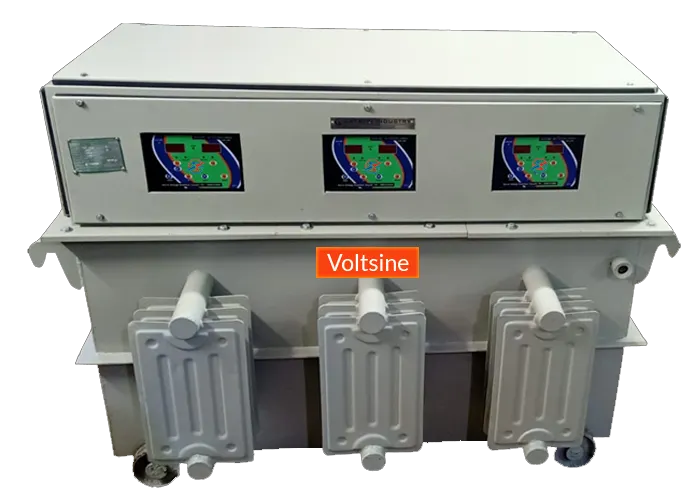
Unstable voltage is one of the biggest threats to electrical and electronic equipment. Whether at home, in a commercial setup, or in an industrial plant, frequent fluctuations can damage machines, reduce productivity, and increase maintenance costs. Choosing the right stabilizer is the best way to protect your appliances and machinery from voltage-related failures.
Today, the two most popular technologies in voltage regulation are Servo Voltage Stabilizers and Static Voltage Stabilizers. Both offer advanced protection, but the right choice depends on your load type, application, environment, and budget.
This detailed comparison will help you understand how each stabilizer works, their pros and cons, and which one is best suited for your needs.
1. Understanding the Basics
What Is a Servo Voltage Stabilizer?
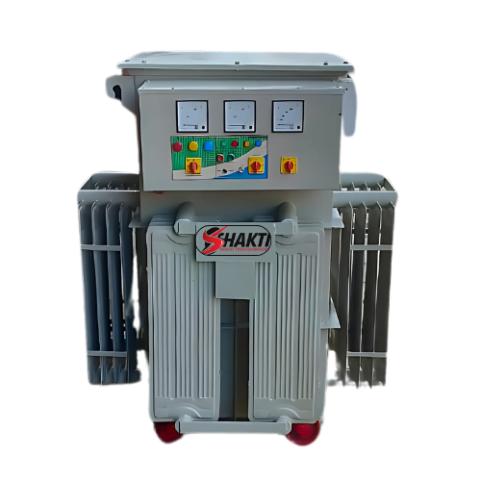
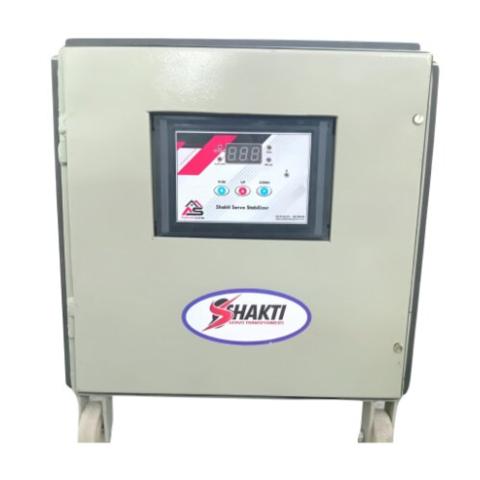
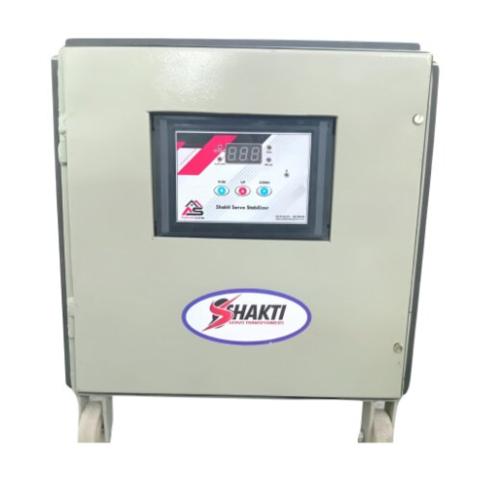
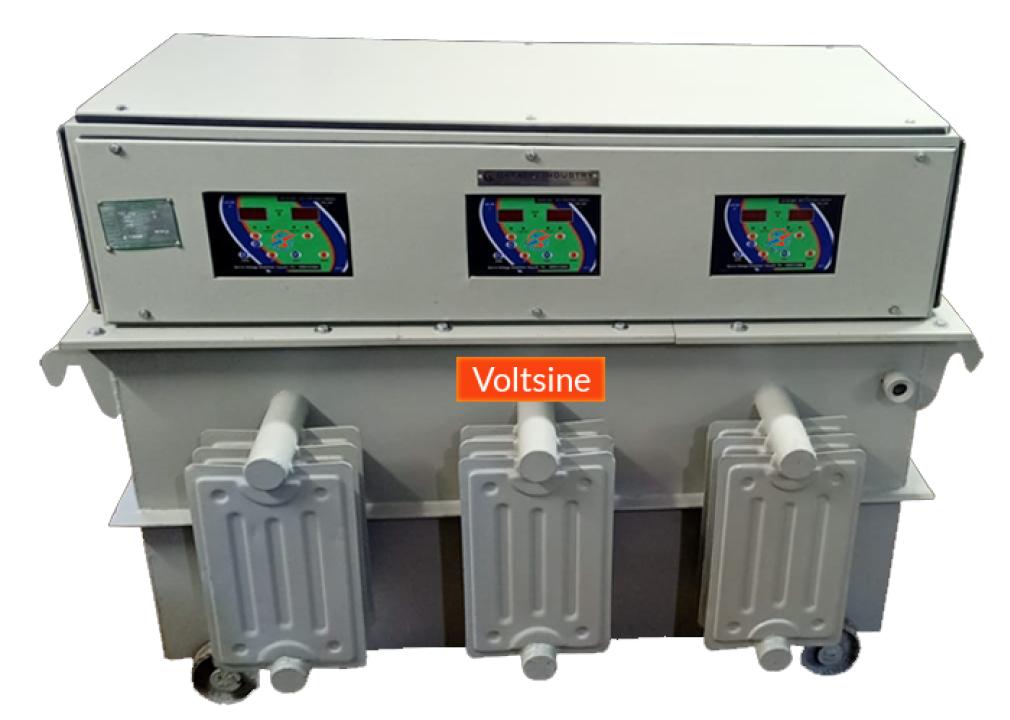
A Servo Voltage Stabilizer uses an electromechanical servo motor, a buck–boost transformer, and a control circuit to provide precise voltage regulation. It continuously adjusts the voltage and delivers a stable output with ±1% accuracy, making it ideal for sensitive and heavy industrial applications.
What Is a Static Voltage Stabilizer?
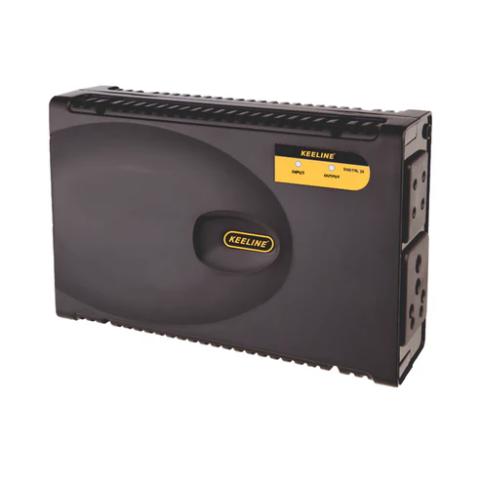
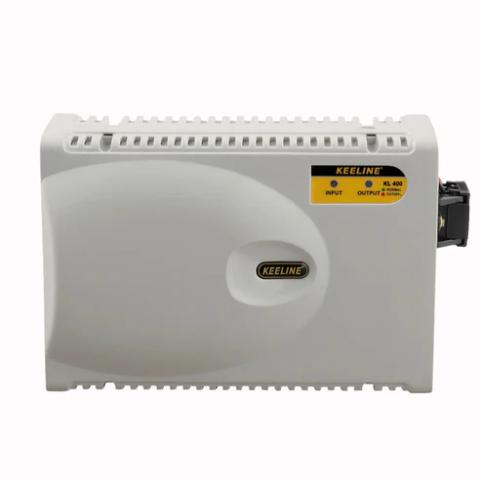
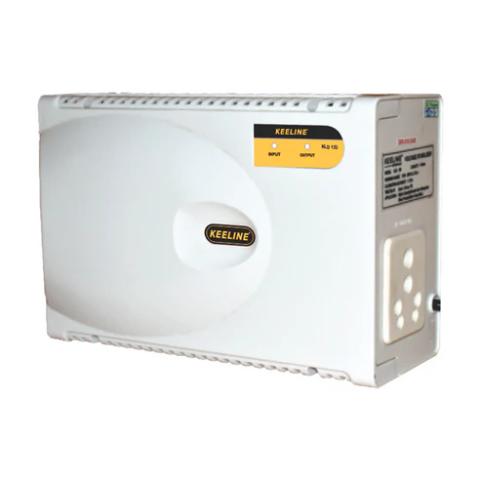
A Static Voltage Stabilizer (SVS) is an advanced electronic stabilizer that uses IGBT (Insulated Gate Bipolar Transistor) technology and high-frequency converters. It has no moving parts, offers extremely fast correction speed, and is preferred where high-speed voltage correction is required.
2. How They Work: Detailed Comparison
Working of Servo Voltage Stabilizer
-
Detects input voltage variations
-
Servo motor rotates to adjust the buck-boost transformer
-
Output voltage is corrected gradually
-
Provides stable voltage with high accuracy
Servo stabilizers are reliable, durable, and suitable for 24×7 heavy-duty operations.
Working of Static Voltage Stabilizer
-
Uses power electronics (IGBT/PWM) for instant correction
-
No mechanical movement, so no wear and tear
-
Corrects voltage digitally within milliseconds
This makes static stabilizers extremely fast and ideal for sensitive electronic equipment.
3. Performance Comparison: Servo vs Static
⚡ Correction Speed
-
Static Stabilizer: Ultra-fast correction (<20 ms)
-
Servo Stabilizer: Slower (up to 50 ms depending on design)
Winner: Static Stabilizer
⚡ Voltage Accuracy
-
Servo Stabilizer: ±1% voltage accuracy
-
Static Stabilizer: ±1% to ±2% depending on model
Winner: Slight Edge to Servo
⚡ Load Handling Capacity
-
Servo Stabilizer: Excellent for high-capacity loads (up to several MVA)
-
Static Stabilizer: Ideal for electronic loads, but cost increases significantly for larger capacities
Winner: Servo Stabilizer for heavy industry
⚡ Durability & Maintenance
-
Servo Stabilizer: Requires periodic maintenance due to moving parts
-
Static Stabilizer: No-moving-parts design → low maintenance
Winner: Static Stabilizer
⚡ Noise Level
-
Servo Stabilizer: Produces mild sound due to motor movement
-
Static Stabilizer: Completely silent
Winner: Static Stabilizer
⚡ Cost Comparison
-
Servo Stabilizer: Economical, cost-effective for large loads
-
Static Stabilizer: Higher investment, especially for industrial capacities
Winner: Servo Stabilizer (budget-friendly)
4. Where Each Stabilizer Performs Best
Best Applications for Servo Voltage Stabilizer
Servo stabilizers are ideal for:
-
Industrial machinery
-
CNC machines
-
Injection molding equipment
-
Printing machines
-
Textile machinery
-
Medical equipment
-
Heavy motors and compressors
-
Manufacturing plants
They are designed to handle high load demand and maintain precise voltage even during severe voltage fluctuations.
Best Applications for Static Voltage Stabilizer
Static stabilizers are best for:
-
IT offices and server rooms
-
Medical labs and diagnostic equipment
-
Data centers
-
Telecom equipment
-
High-end home appliances
-
Hi-tech electronics
-
LED setups and audio-video studios
Where fast correction and silent operation are essential, static stabilizers lead the game.
5. Pros & Cons of Both Technologies
Servo Voltage Stabilizer – Pros
✔ High voltage accuracy (±1%)
✔ Perfect for heavy industrial loads
✔ Cost-effective for large capacities
✔ Long life and stable performance
✔ Handles high inrush currents
Servo Voltage Stabilizer – Cons
✘ Slower correction
✘ Requires regular maintenance
✘ Produces mechanical noise
Static Voltage Stabilizer – Pros
✔ Extremely fast correction
✔ Silent operation
✔ No moving parts → minimal maintenance
✔ Ideal for sensitive electronics
✔ High efficiency
Static Voltage Stabilizer – Cons
✘ Expensive for high-capacity industrial use
✘ Limited tolerance for extremely high inrush currents
✘ Repairs can be costly
6. Servo vs Static: Which One Should You Choose?
Your choice depends on your requirements:
Choose a Servo Voltage Stabilizer if:
-
You have heavy industrial machinery
-
Budget is a concern
-
You need highly accurate regulation
-
Your load varies throughout the day
-
You operate motors, compressors, CNCs, or production equipment
Choose a Static Voltage Stabilizer if:
-
You need ultra-fast correction
-
You use sensitive electronic equipment
-
You want silent and maintenance-free operation
-
Your load is light to medium
-
You need high performance for IT, medical, telecom, or AV systems
7. Final Verdict: Which One Wins?
There is no single winner — each stabilizer excels in different areas.
| Requirement | Best Choice |
|---|---|
| Heavy machinery, factories, motors | Servo Voltage Stabilizer |
| Sensitive electronics, data centers | Static Voltage Stabilizer |
| Highest voltage accuracy | Servo |
| Fastest correction | Static |
| Budget-friendly option | Servo |
| Silent operation | Static |
If your priority is handling industrial loads and cost-effectiveness → Choose a Servo Voltage Stabilizer.
If your priority is ultra-fast correction for sensitive electronic devices → Go for a Static Stabilizer.
Both technologies protect your equipment, reduce downtime, and improve efficiency. The right one depends entirely on your application and voltage environment.