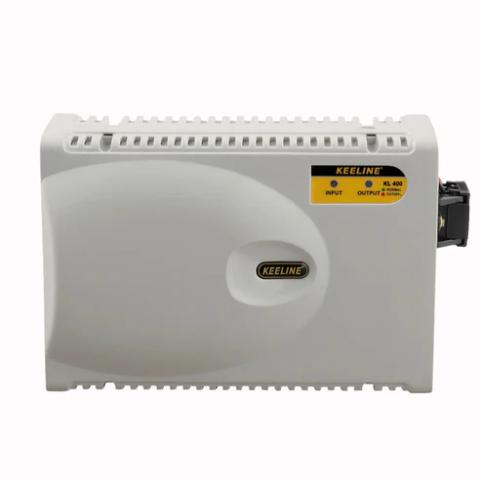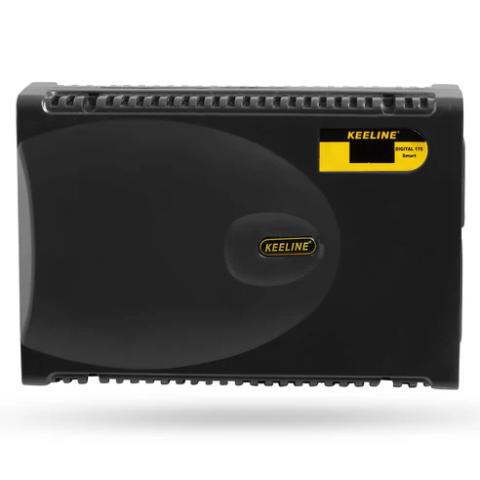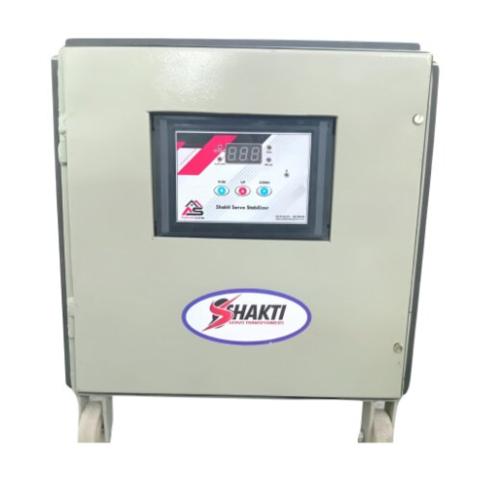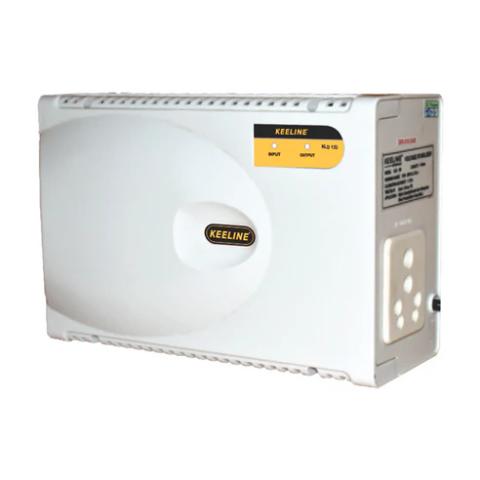
Choosing the right servo stabilizer is
crucial for protecting electrical appliances from voltage fluctuations. In
single-phase applications, two popular options are air-cooled stabilizers
and oil-cooled stabilizers. Each comes with its advantages, limitations,
and cost implications. This guide provides a cost-benefit analysis to
help you make an informed decision.
Understanding
the Two Types
1️⃣
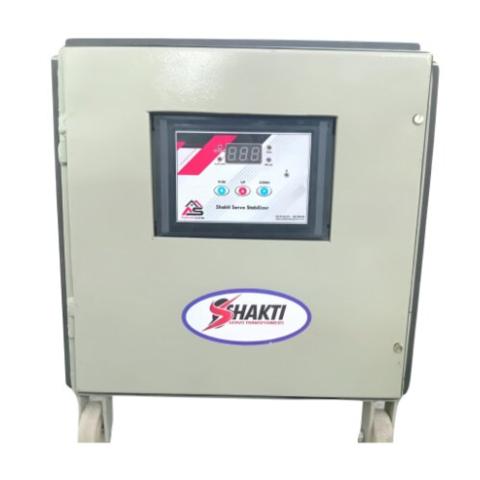
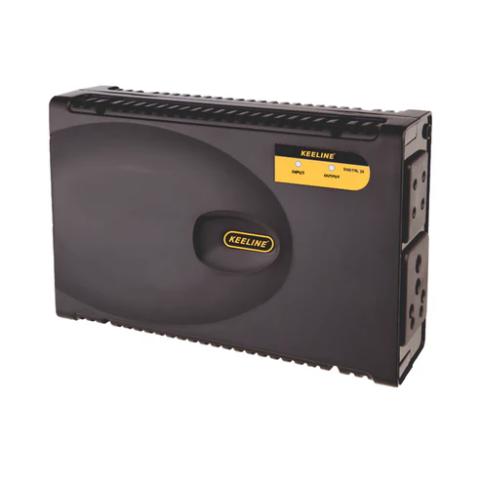
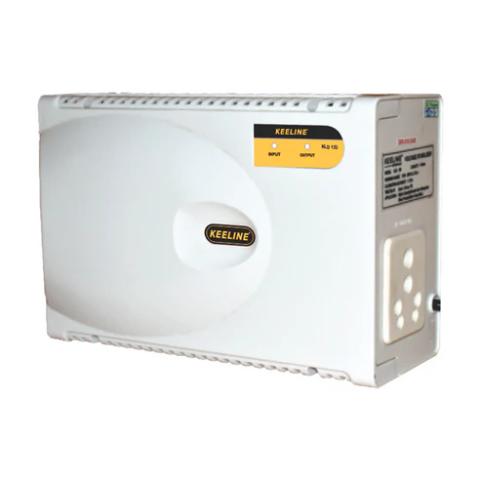
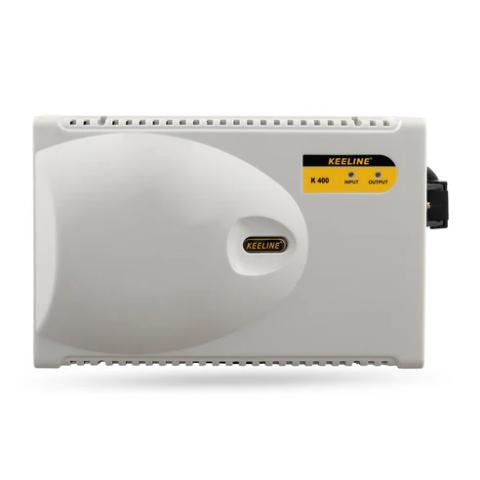
Air-Cooled Stabilizers
Air-cooled stabilizers use natural
or fan-assisted airflow to dissipate heat generated during voltage
regulation.
Common Applications:
- Residential homes
- Small offices
- Light commercial setups
Key Features:
- Compact and lightweight
- Requires less space
- Low maintenance
2️⃣
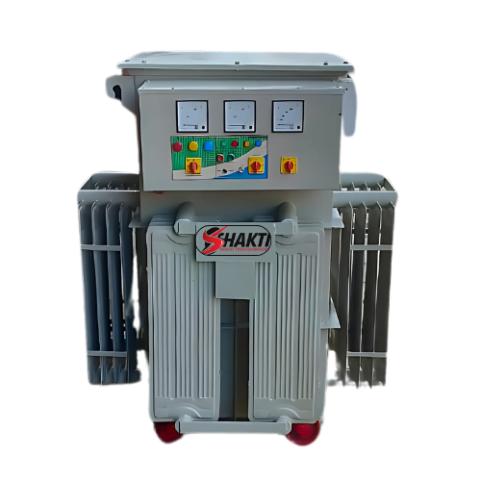
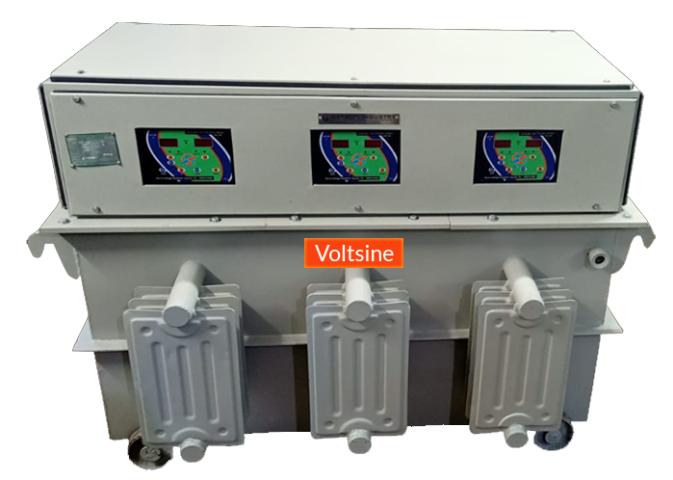
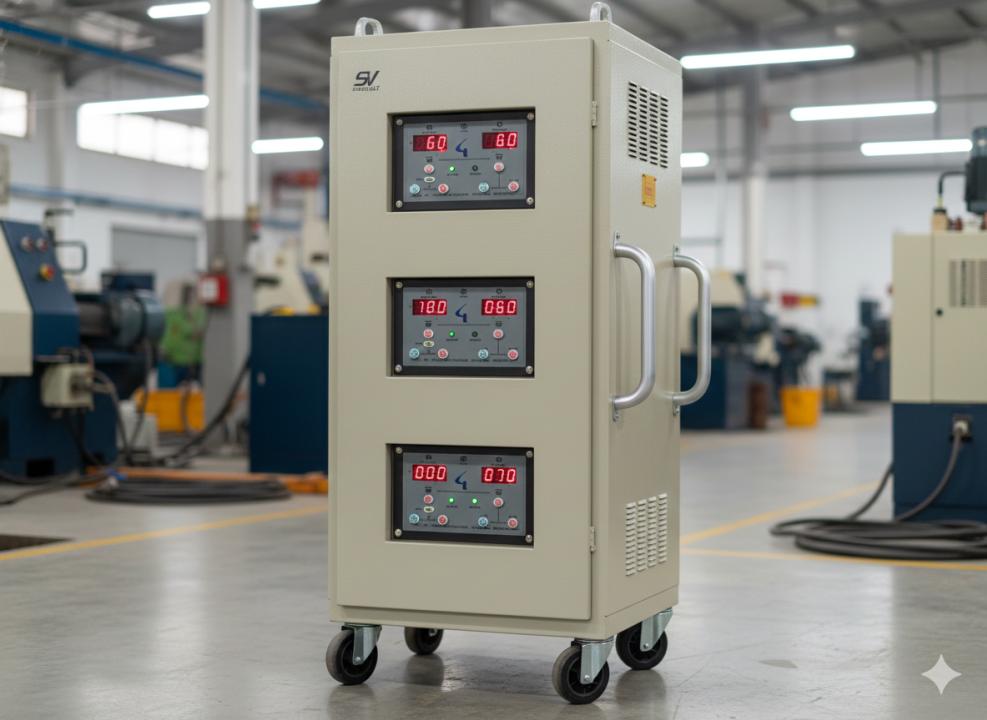
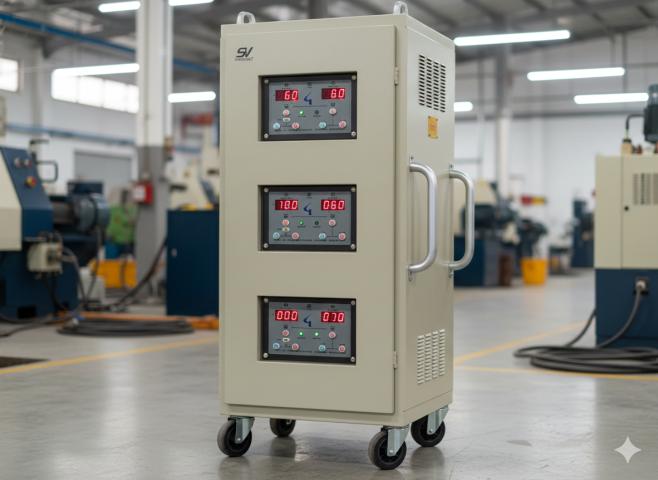
Oil-Cooled Stabilizers
Oil-cooled stabilizers use transformer
oil as a cooling medium. The oil absorbs heat from internal components and
maintains stable operating temperature.
Common Applications:
- Medium industrial loads
- Continuous operation equipment
- Areas with high ambient temperature
Key Features:
- Superior cooling capacity
- Can handle high loads
- Long-lasting components
Cost
Analysis
|
Feature |
Air-Cooled
Stabilizer |
Oil-Cooled
Stabilizer |
|
Initial Cost |
Lower |
Higher |
|
Installation Cost |
Lower |
Moderate (requires space & oil
handling) |
|
Maintenance Cost |
Low |
Moderate (oil check &
occasional replacement) |
|
Lifespan |
Moderate |
Long (durable components &
better cooling) |
|
Cooling Efficiency |
Moderate |
High |
Insight: Air-cooled stabilizers are cheaper upfront, but oil-cooled
stabilizers may offer better value over time due to longevity and
reduced downtime for industrial applications.
Performance
Comparison
1️⃣ Load
Handling
- Air-cooled:
Best for light to medium loads (up to 25–30 kVA)
- Oil-cooled:
Handles higher loads (30–100 kVA or more) efficiently
2️⃣ Heat
Management
- Air-cooled:
Depends on ambient airflow; performance may reduce in hot conditions
- Oil-cooled:
Excellent for high-temperature environments; stable output even under
continuous load
3️⃣
Reliability
- Air-cooled:
Adequate for residential or small office usage
- Oil-cooled:
Superior reliability for long-running equipment; less risk of overheating
Energy
Efficiency and Savings
- Both stabilizers regulate voltage efficiently.
- Oil-cooled stabilizers, with better thermal
management, maintain consistent voltage for heavy loads, preventing
energy loss due to overcurrent in motors.
- Air-cooled stabilizers are sufficient for light
loads, offering reasonable energy savings.
Maintenance
Requirements
|
Aspect |
Air-Cooled |
Oil-Cooled |
|
Cleaning |
Occasional dust cleaning |
Moderate (oil inspection &
filter) |
|
Component Wear |
Lower heat stress |
Minimal heat stress; longer life |
|
Downtime |
Minimal for homes |
Minimal for industrial
applications if maintained properly |
Key Takeaway: Air-cooled stabilizers are convenient for homes, while
oil-cooled stabilizers require planned maintenance but deliver long-term
reliability.
When
to Choose Air-Cooled Stabilizers
- Residential or small office use
- Low to medium load (up to 25–30 kVA)
- Budget-conscious buyers
- Moderate voltage fluctuations
When
to Choose Oil-Cooled Stabilizers
- High-load machinery or continuous operation
- Voltage fluctuations are frequent or wide
- Industrial applications with ambient heat
- Long-term investment for durability and reliability
Summary:
Cost-Benefit Insights
|
Factor |
Air-Cooled |
Oil-Cooled |
|
Upfront Cost |
Low |
High |
|
Longevity |
Moderate |
High |
|
Load Capacity |
Light/Medium |
Medium/Heavy |
|
Cooling Efficiency |
Moderate |
Excellent |
|
Maintenance |
Easy |
Moderate |
|
Best Use Case |
Homes, offices |
Small industries, workshops |
Conclusion:
- Air-cooled stabilizers are ideal for residential and light commercial use
due to lower cost and simpler maintenance.
- Oil-cooled stabilizers are a better investment for industrial and
continuous-use scenarios, providing superior reliability,
load-handling capability, and long-term savings.