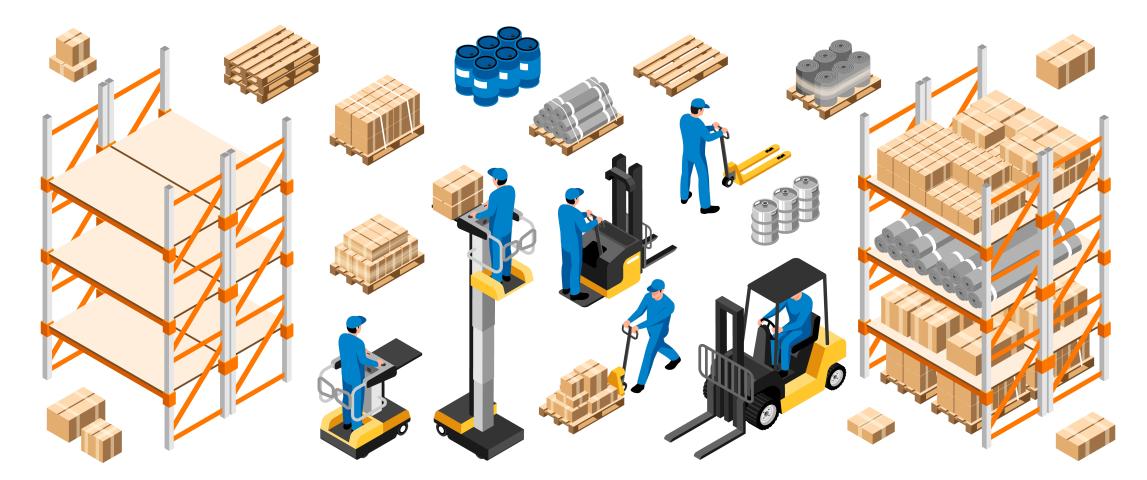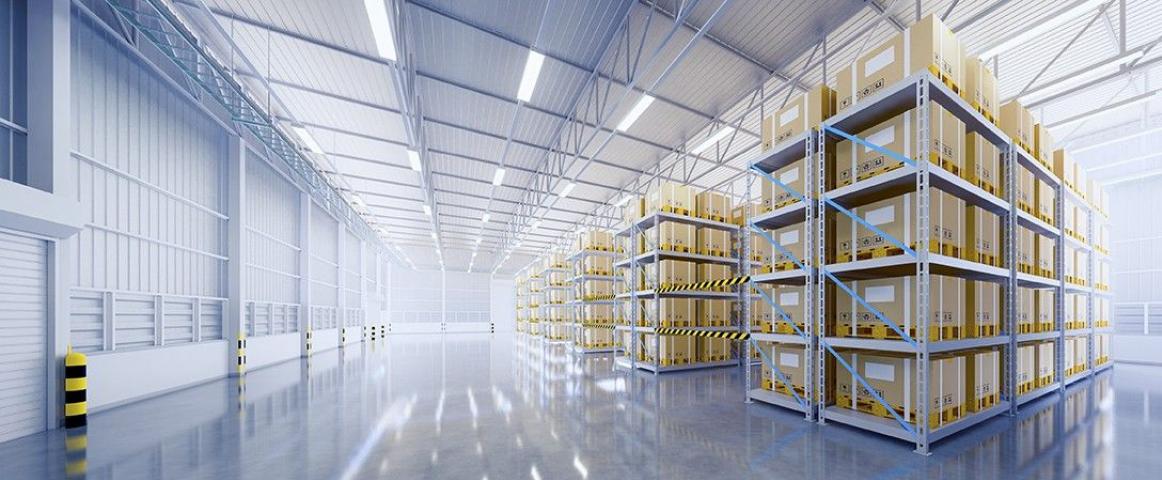
A warehouse racking system is the backbone of any modern storage operation in Australia. It improves floor management, boosts picking speed, and helps businesses maximise every square metre of space without compromising safety or compliance. Whether you operate a small distribution centre in Sydney or a large logistics warehouse in Melbourne, choosing the right racking solution directly impacts efficiency and overall running costs.
What is a warehouse racking system?
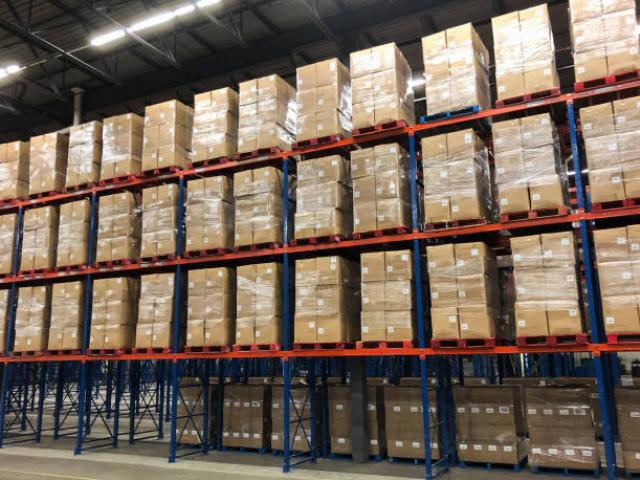
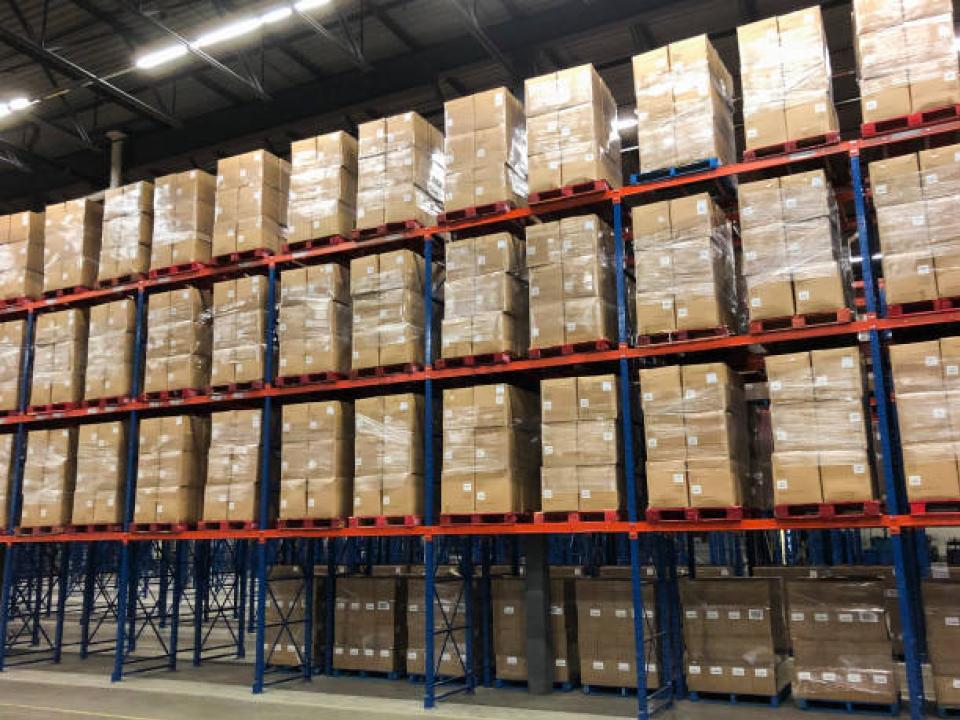
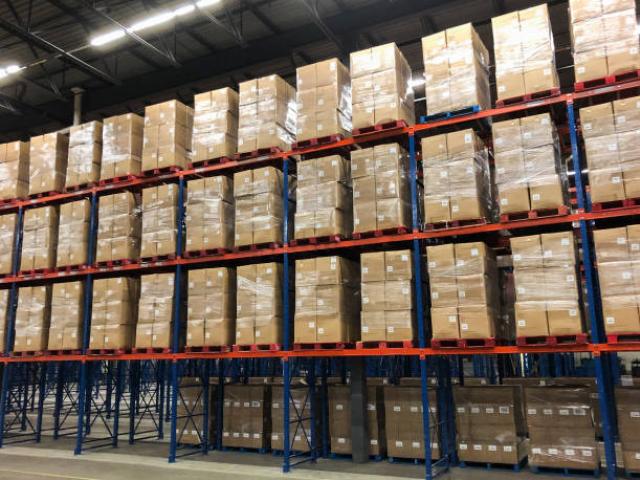
A warehouse racking system is a storage structure designed to hold goods in a safe and organised way. It allows businesses to store products vertically instead of spreading everything across the floor. In Australia, warehouse owners rely heavily on pallet racking systems because they handle heavy stock loads, fit seamlessly with forklifts, and align with the Australian Standard AS4084 for steel storage racking.
Types of warehouse racking systems used in Australia
Different industries require different storage layouts. The most common solutions include selective pallet racking, drive-in racking, cantilever racking for long products, and double deep racking for high density storage. Each of these systems brings unique advantages depending on stock volume, product size, turnover rate, and material handling equipment.
Selective pallet racking is the most widely used option across Australia because it offers direct access to every pallet. This makes it ideal for fast-moving goods. Drive in racking suits warehouses with limited space and large volumes of identical products. Cantilever racking is often used by timber suppliers, steel fabricators, and construction material warehouses across Queensland, Victoria, and New South Wales.
Benefits of using a warehouse racking system
A properly designed racking layout can significantly reduce wasted space. It increases product visibility, shortens picking time, and creates smoother workflow patterns. Compliance is also a major benefit. When warehouse shelving follows Australian safety standards, it reduces the risk of stock damage and workplace accidents.
Choosing the right racking system for your warehouse
The correct choice depends on the kind of products your business handles. High-volume warehouses in Perth may prefer double deep or drive-in structures to increase storage density. Retail distribution centres in Brisbane usually prioritise selective pallet racking for easy item access. Operations dealing with construction materials often select cantilever racks due to the length of timber, pipes, or beams.
Before finalising your system, please look over the floor layout, forklift turning space, pallet size, weight limits, and the need for future expansion. Australian businesses also prefer systems that allow modular upgrades so the warehouse can grow without major reconstruction.
Interesting Fact
A well-designed racking layout can reduce total forklift travel distance by up to 30 percent, which directly reduces fuel costs and increases operational speed.
Why warehouse racking safety matters in Australia
Safety is a strict requirement across all states. Warehouses must follow the AS4084 standard for pallet racking to ensure structural strength, safe load distribution, and correct installation. Routine inspections are also essential since minor damage can lead to serious risks. Many companies in Australia hire certified racking inspectors annually to maintain compliance and workplace safety.
Final Thoughts
A warehouse racking system is more than a storage structure. It is an essential productivity tool that supports better organisation, faster fulfilment, and safer working conditions. Whether you run an e-commerce warehouse or a manufacturing unit, investing in the right racking solution will help you improve space use, streamline operations, and support long-term business growth.