Warehouse Automation: Transforming the Future of Logistics
In today’s fast-paced e-commerce and manufacturing landscape, efficiency isn’t just a goal—it’s a necessity. Warehouse automation has emerged as a game-changer, helping businesses streamline operations, reduce errors, and improve overall productivity. But what exactly is warehouse automation, and why is it reshaping the supply chain industry? Let’s dive in.
What is Warehouse Automation?
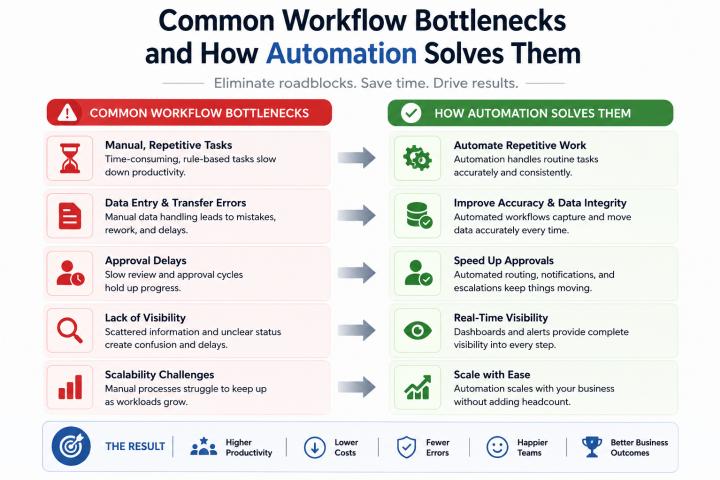
Warehouse automation refers to the use of technology, robotics, and software systems to perform tasks that were traditionally done manually in warehouses. This includes activities like inventory management, order picking, packing, sorting, and shipping. By automating repetitive tasks, businesses can save time, reduce labor costs, and increase accuracy.
Key Components of Warehouse Automation
-
Automated Storage and Retrieval Systems (AS/RS):
These systems use robotic cranes or shuttles to store and retrieve goods from high-density storage racks. They maximize space utilization and reduce human errors. -
Conveyor Systems:
Conveyors move products efficiently across different sections of the warehouse, speeding up sorting and shipping processes. -
Robotic Picking Systems:
Robots equipped with AI and vision systems can pick, pack, and sort items with precision, handling repetitive tasks faster than human workers. -
Warehouse Management Systems (WMS):
WMS software manages inventory, tracks orders, and coordinates automated systems. It ensures that every item is accounted for and that operations run smoothly. -
Autonomous Mobile Robots (AMRs):
AMRs transport goods across the warehouse without human intervention, navigating safely around obstacles using sensors and AI.
Benefits of Warehouse Automation
-
Increased Efficiency: Tasks are completed faster and more consistently than manual labor.
-
Reduced Operational Costs: Less dependence on human labor reduces long-term expenses.
-
Enhanced Accuracy: Automation minimizes errors in picking and shipping, improving customer satisfaction.
-
Better Space Utilization: Automated systems can store more products in a smaller footprint.
-
Scalability: Businesses can easily scale operations to meet demand during peak seasons.
Challenges in Implementing Automation
While the benefits are compelling, warehouse automation comes with challenges:
-
High Initial Investment: Advanced robotics and software require significant upfront costs.
-
Integration with Existing Systems: Legacy systems may not easily integrate with modern automation solutions.
-
Workforce Transition: Employees may need retraining to work alongside automated systems.
-
Maintenance: Robots and machinery require regular maintenance to prevent downtime.
The Future of Warehouse Automation
The future points toward smarter, more connected warehouses. With AI, IoT, and machine learning, warehouses are evolving into fully autonomous hubs where data drives every decision. Predictive analytics will optimize inventory levels, robots will collaborate seamlessly with human workers, and real-time monitoring will ensure flawless operations.
Companies investing in warehouse automation today are not just improving efficiency—they’re preparing for a future where speed, accuracy, and flexibility define success in supply chain management.
Conclusion:
Warehouse automation is no longer a luxury; it’s a strategic necessity. By combining robotics, AI, and smart software systems, businesses can transform their warehouses into efficient, cost-effective, and highly responsive hubs. As technology continues to evolve, the warehouses of tomorrow will be faster, smarter, and more adaptable than ever before.