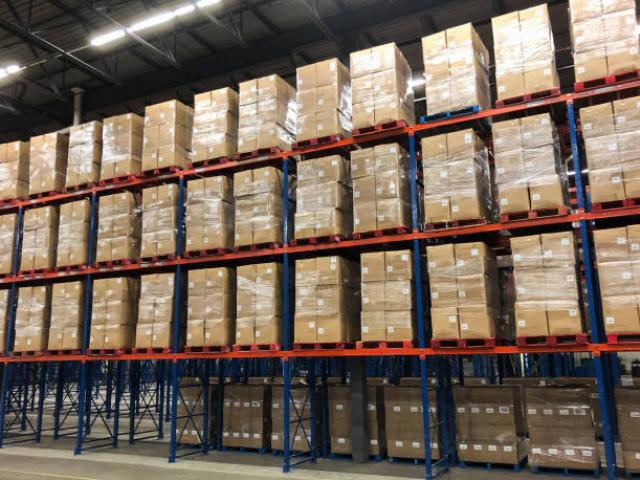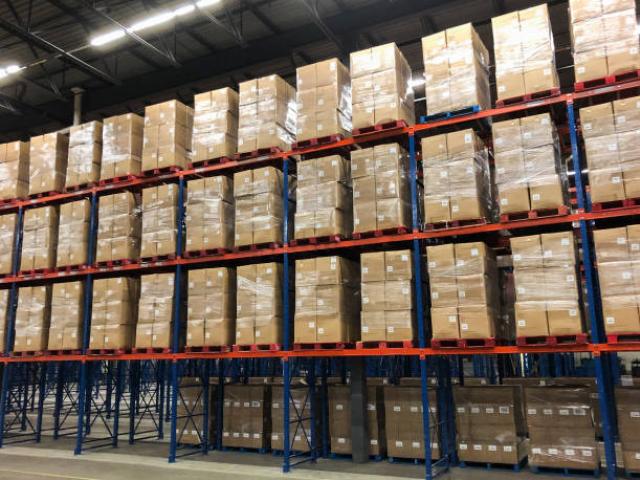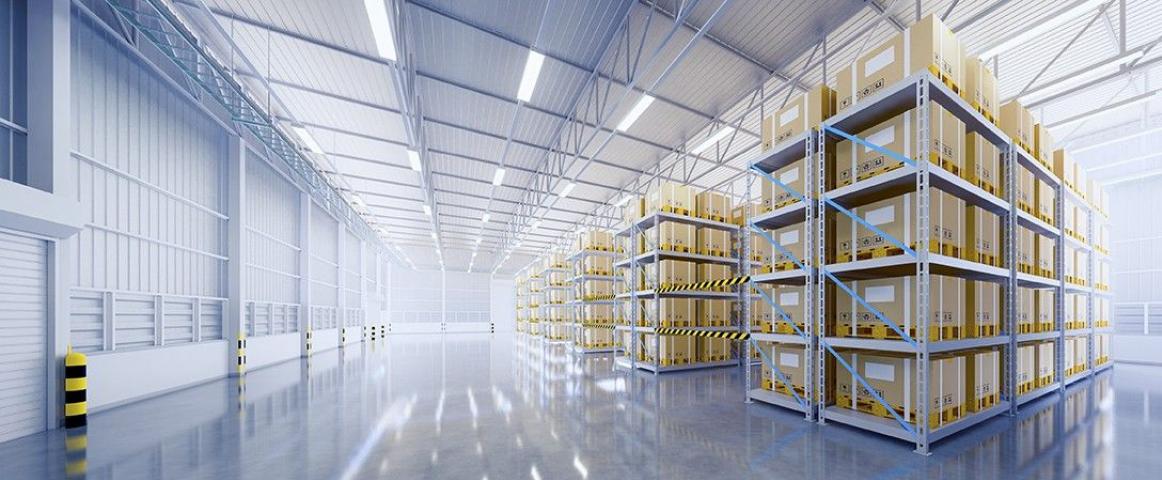
Warehouse equipment works hard, often running for extended shifts under demanding conditions, and it is easy for gradual wear to go unnoticed until a more serious issue develops. Recognising the early warning signs of equipment trouble is one of the most valuable skills a warehouse operation can build, both for safety and for avoiding the far higher cost of unplanned downtime.
Regular maintenance is often treated as a scheduling formality rather than a genuine operational priority, but the businesses that take it seriously consistently experience fewer disruptions and lower long-term repair costs.
Unusual Noises Are Rarely Nothing
Equipment that has developed a new rattle, squeal, or grinding noise is communicating something worth investigating, even if it does not seem to be affecting performance yet. These sounds often indicate early mechanical wear that is far cheaper and easier to address before it develops into a more significant failure that takes the equipment out of service entirely.
Training operators to report unusual noises immediately, rather than assuming they will resolve on their own, builds a culture of proactive maintenance that catches issues while they are still minor and manageable, saving considerable expense over the life of the equipment.
Declining Performance Under Normal Loads
If equipment that once handled a particular load or task with ease now seems to struggle under the same conditions, this is a clear signal that something has changed mechanically. Reduced lifting power, slower response times, or inconsistent performance are all indicators that a proper inspection is overdue, rather than issues to simply work around in the short term.
Ignoring gradual performance decline often leads operators to unconsciously compensate by pushing equipment harder, which accelerates wear further and increases the risk of a more serious failure occurring at an inconvenient moment, often during the busiest and least convenient part of a shift.
Fluid Leaks and Visible Wear
Any visible fluid leak, whether hydraulic fluid, oil, or coolant, should be treated as an immediate signal for a proper forklift service rather than something to monitor casually over time. Leaks rarely resolve on their own and often point to a seal or component issue that will only worsen with continued use, potentially leading to more extensive and costly repairs.
Regular visual inspections, ideally built into daily pre-operation checklists, make it far easier to catch these issues early, before they progress into more serious mechanical problems that affect equipment reliability and overall fleet safety.
Warning Lights and Diagnostic Alerts
Modern warehouse equipment increasingly includes onboard diagnostics designed to flag issues before they become visible or audible problems. Treating these alerts seriously, rather than dismissing them as minor glitches, is an important part of proactive equipment management, since many alerts are specifically designed to catch problems at their earliest and most manageable stage.
Keeping a simple log of any warning lights or alerts, along with when they occurred and under what conditions, gives maintenance technicians valuable context that speeds up accurate diagnosis when equipment is brought in for inspection, reducing both downtime and repair costs.
Building a Consistent Maintenance Schedule
Beyond responding to warning signs, a consistent, scheduled maintenance routine catches many issues before they produce any noticeable symptoms at all. Following manufacturer-recommended service intervals, rather than waiting until equipment shows obvious signs of trouble, is consistently the most cost-effective approach to keeping a warehouse fleet reliable over the long term.
Working with a trusted maintenance provider who understands your specific equipment and usage patterns makes it considerably easier to stay on top of this schedule without it becoming an administrative burden on top of daily operations.
The True Cost of Deferred Maintenance
Postponing maintenance to save on short-term costs almost always backfires financially. Minor issues left unaddressed tend to escalate into major repairs, and unplanned equipment downtime frequently costs far more in lost productivity than the maintenance bill it was meant to avoid. Viewing maintenance as an investment in uptime, rather than an avoidable expense, changes how businesses prioritise it.
Tracking maintenance costs against downtime incidents over time often makes this trade-off clear in concrete financial terms, giving operations managers a strong, data-backed case for maintaining a consistent servicing schedule going forward.
Warehouse equipment rarely fails without warning. Unusual noises, declining performance, visible leaks, and diagnostic alerts are all signals worth taking seriously, and responding to them early consistently costs far less than dealing with the consequences of ignored maintenance. Building a proactive culture around these warning signs protects both your equipment investment and your operational uptime.
Combined with a consistent, scheduled maintenance routine, this approach keeps a warehouse fleet running reliably and safely, reducing the disruption and expense that come with equipment failures nobody saw coming. The businesses that treat maintenance as a priority, rather than an inconvenience, are consistently the ones with the fewest unplanned disruptions.