Efficiency is an important consideration for healthcare practices where professionals manage appointments, examinations, patient records and routine monitoring throughout the day. Reliable medical equipment can support these activities by helping staff carry out essential tasks with fewer interruptions. From GP surgeries to clinics and care facilities, having appropriate equipment readily available can contribute to a more organised working environment.
For healthcare providers in Ireland, choosing medical equipment based on reliability, usability and suitability can support both staff workflows and patient care.
Reducing Unnecessary Disruptions
Equipment that is frequently unavailable, difficult to operate or unsuitable for regular use can interrupt everyday clinical routines. Healthcare professionals may need to spend additional time troubleshooting devices, finding alternatives or arranging replacements.
Reliable equipment can reduce some of these disruptions. When commonly used diagnostic and monitoring tools are available and functioning as expected, staff can focus more of their time on patient-related responsibilities.
This does not mean equipment eliminates every delay. However, choosing products appropriate for the demands of the healthcare setting can make routine processes more predictable.
Supporting Faster Routine Assessments
Many healthcare practices carry out basic observations throughout the day. Blood pressure, temperature, pulse and oxygen saturation may need to be checked depending on the patient's circumstances.
Straightforward, dependable equipment can make these assessments easier to incorporate into normal workflows. Devices with clear displays, practical controls and suitable designs can help healthcare professionals obtain measurements without unnecessary complexity.
In busy GP practices and clinics, small improvements to routine processes can make a meaningful difference when repeated across numerous consultations.
Helping Staff Work More Consistently
Consistency is another important aspect of an efficient healthcare environment. When staff members understand how equipment works and can access the same appropriate tools, routine procedures can become easier to manage.
Standardising commonly used equipment can also simplify staff training. New team members can become familiar with established devices rather than having to learn multiple products that perform similar functions.
Healthcare providers should still ensure that staff receive appropriate instruction and follow manufacturer guidance when using medical equipment.
Supporting Better Organisation
The availability of appropriate equipment can influence how efficiently a clinical environment is organised. Frequently used devices should be easy to access while still being stored safely and appropriately.
Practices can review which equipment is used most often and consider whether it is positioned conveniently for staff. Clear storage arrangements can help reduce time spent searching for commonly required tools.
Regular equipment checks can also help identify potential issues before they interfere with routine activities.
Reducing Replacement and Maintenance Problems
The initial purchase price is only one part of the overall cost of medical equipment. Products that require frequent replacement or create ongoing maintenance difficulties can place additional pressure on healthcare budgets and staff time.
Choosing equipment with appropriate durability can help practices plan their resources more effectively. Healthcare providers should consider expected usage, cleaning requirements, maintenance needs and manufacturer support when evaluating products.
Proper care remains important. Even durable equipment needs appropriate cleaning, storage and maintenance to remain suitable for use.
Improving Patient Flow
Efficient internal processes can also support a smoother patient experience. When healthcare professionals can access the equipment they need without unnecessary delays, consultations and routine assessments can proceed more efficiently.
For example, having appropriate diagnostic equipment available in a consultation room can reduce the need to move between rooms or locate alternative devices.
Patient flow depends on many factors beyond equipment, but dependable tools can form part of an organised clinical workflow.
Choosing Equipment That Supports Efficiency
Healthcare providers should assess their actual requirements before purchasing medical equipment. Consider how often a product will be used, who will operate it, where it will be stored and what cleaning or maintenance it requires.
Ease of use, durability, portability and suitability for the clinical environment should all be considered alongside product specifications. A device that looks suitable on paper may not be the best choice if it does not fit the practical needs of the healthcare team.
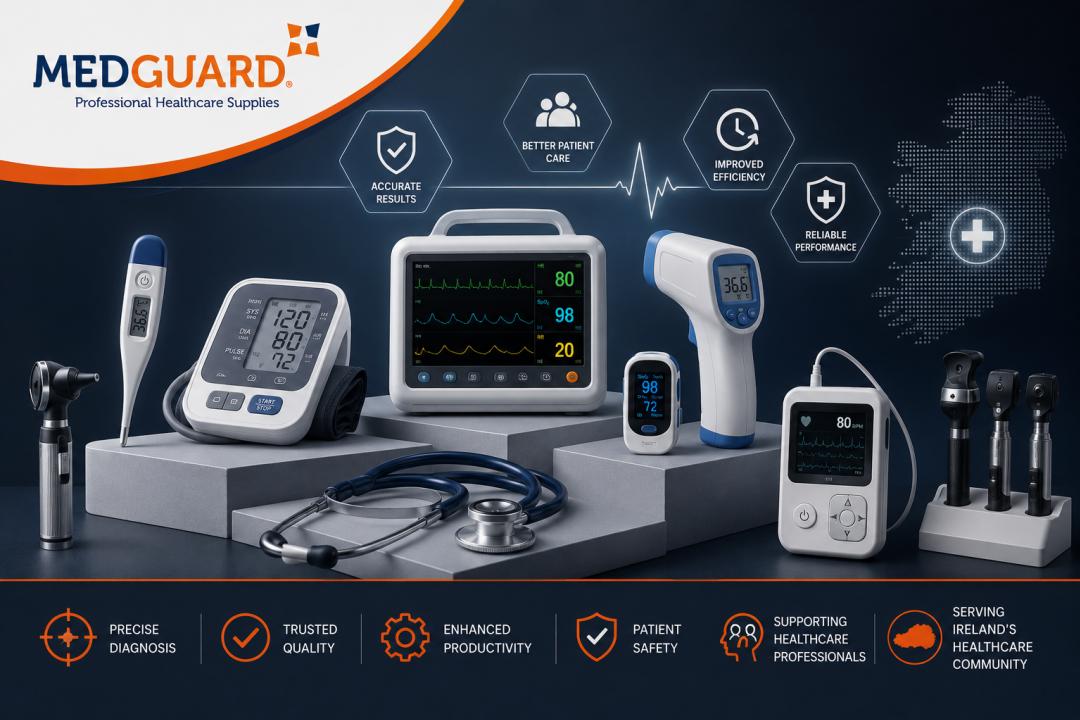
For healthcare providers across Ireland, Medguard Healthcare offers a broad range of medical supplies and equipment for professional healthcare settings.
Reliable medical equipment cannot replace good planning, skilled staff or effective clinical procedures. However, when the right products are selected and properly maintained, they can support smoother workflows, reduce avoidable interruptions and help healthcare professionals use their time effectively. Ultimately, investing in suitable equipment is one practical way healthcare practices can create a more organised environment while continuing to focus on safe, patient-centred care.
Original Source : https://prerealy.com/why-should-healthcare-professionals-invest-in-quality-diagnostic-tools/