For individuals starting a cybersecurity career, the Fortinet Network Security Expert (NSE) certification path offers a clear and structured way to develop essential skills. Fortinet’s multi-level program is designed to validate your knowledge of network security, firewalls, threat management, and real-world security operations. Whether you're exploring the certification track for the first time or planning to begin your Fortinet NSE 4 training, understanding the full NSE pathway will help you choose the right starting point and progress effectively.
What Is the Fortinet NSE Certification Path?
The NSE program consists of multiple levels, grouped by
skill areas—awareness, technical, and advanced security expertise. It covers
everything from basic cybersecurity concepts to designing and managing complex
Fortinet Security Fabric deployments. This structured approach makes it ideal
for beginners who want both foundational knowledge and a scalable learning
journey.
NSE Levels 1–3: Cybersecurity Awareness
These are entry-level certifications ideal for newcomers
with limited technical background.
NSE 1 – Information Security Awareness
Introduces cybersecurity basics, common threats, and
essential best practices. This level is perfect for students, career changers,
or professionals looking for foundational knowledge.
NSE 2 – The Evolving Threat Landscape
Focuses on understanding how modern cyberattacks work,
including malware, ransomware, phishing, and social engineering threats.
NSE 3 – Fortinet Product Awareness
Covers the role of Fortinet solutions in mitigating
cybersecurity risks. Learners explore products like FortiGate, FortiAnalyzer,
FortiManager, and more.
Who should take these levels?
Beginners, IT support staff, and anyone seeking basic security literacy.
NSE Levels 4–6: Technical and Professional Certifications
This tier is where most IT administrators and network
engineers focus their efforts.
NSE 4 – FortiGate Network Security Professional
This is the first technical-level certification in the track
and validates your ability to configure and manage FortiGate firewalls. The NSE
4 exam is widely recognized and is often required for security and network
engineering roles.
Key skills tested include:
- Firewall
policies
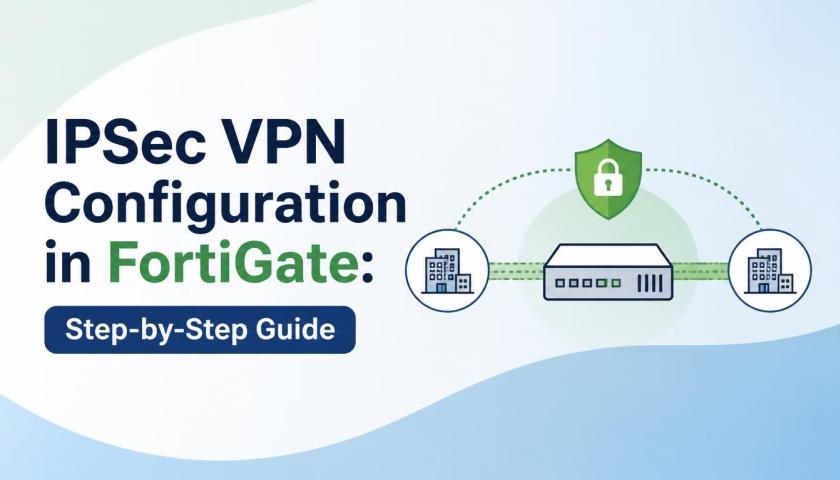
- VPN
configuration (IPsec and SSL)
- User
authentication
- Routing
and NAT
- Logging
and monitoring
Most learners begin formal cyber-career advancement with Fortinet
NSE 4 training, as it provides the skills needed for hands-on security
tasks.
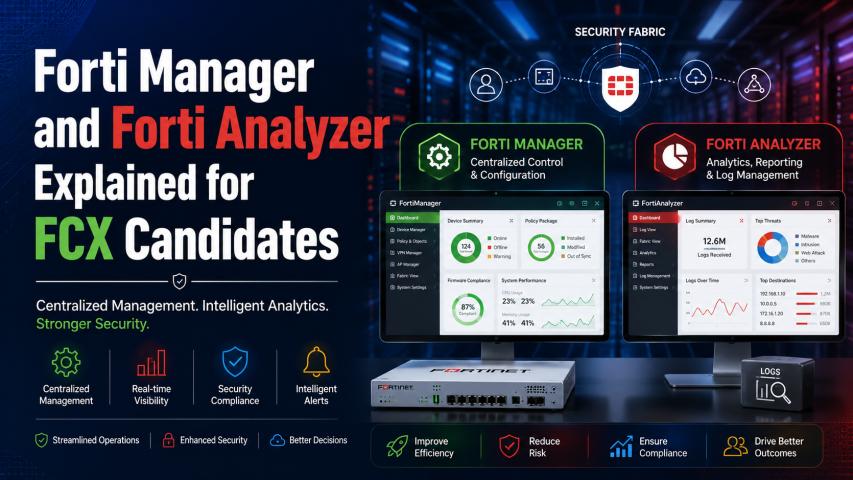
NSE 5 – FortiManager & FortiAnalyzer Specialist
Focuses on centralized management, analytics, and
automation. Professionals learn to manage large or distributed Fortinet
deployments efficiently.
NSE 6 – Advanced Security Solutions
Covers specialized products like FortiMail, FortiWeb, and
FortiSwitch. It allows professionals to expand their skillset based on job
requirements.
NSE Levels 7–8: Expert-Level Certifications
These levels are designed for seasoned security engineers
and architects.
NSE 7 – Advanced Threat Protection
Validates your ability to design and troubleshoot complex
security infrastructures. It focuses on advanced threat detection, incident
response, and multi-device integration.
NSE 8 – Fortinet Network Security Expert
The highest certification in the track and one of the most
respected credentials in the industry. NSE 8 requires deep technical expertise,
covering complex scenarios such as advanced routing, high availability, SD-WAN,
intrusion prevention, and large-scale security design.
Which NSE Level Should Beginners Start With?
Beginners are encouraged to:
- Start
with NSE 1–3 to build foundational understanding
- Move
on to NSE 4 to gain practical, career-ready skills
- Progress
through NSE 5–7 based on job roles and specialization
This progression ensures a strong blend of theory, hands-on
practice, and security fundamentals.
How Long Does It Take to Complete the NSE Path?
Time varies depending on your background, but general
guidelines include:
- NSE
1–3: A few days to a couple of weeks
- NSE
4: 4–8 weeks with consistent study and lab practice
- NSE
5–7: Several months depending on product focus
- NSE
8: Requires years of experience and advanced training
Steady, structured preparation is key to long-term success.
Why Pursue Fortinet NSE Certifications?
- Globally
recognized cybersecurity credentials
- Career
opportunities in SOCs, MSSPs, network operations, and enterprise security
teams
- Deep
knowledge of Fortinet’s Security Fabric
- Hands-on
skills for real-world security environments
- Alignment
with industry trends and employer demands
The certifications offer both practical and strategic value
for those committed to cybersecurity careers.
Conclusion
The Fortinet NSE certification path provides a clear,
scalable journey from cybersecurity fundamentals to expert-level mastery.
Whether you're starting with awareness-level training or embarking on your Fortinet NSE 4, the NSE pathway equips you with the skills needed to thrive
in today’s evolving security landscape. By progressing through each level
thoughtfully, beginners can build confidence, develop in-demand expertise, and
establish a strong foundation for long-term success in the cybersecurity field.