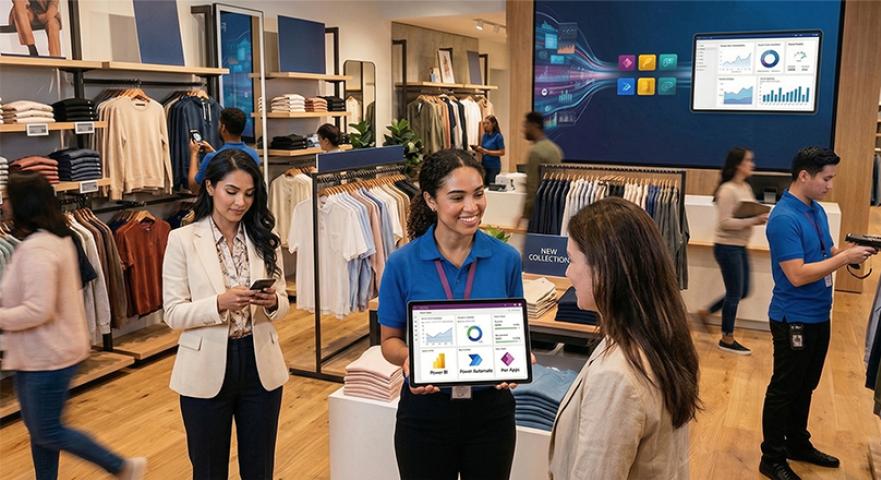
In the fast-paced world of retail, staying ahead of the competition requires more than just offering quality products. Efficient operations, seamless customer experiences, and real-time insights are now essential for businesses to thrive. This is where retail software development services come into play, revolutionizing how stores manage operations and engage with customers.
Streamlining Inventory Management
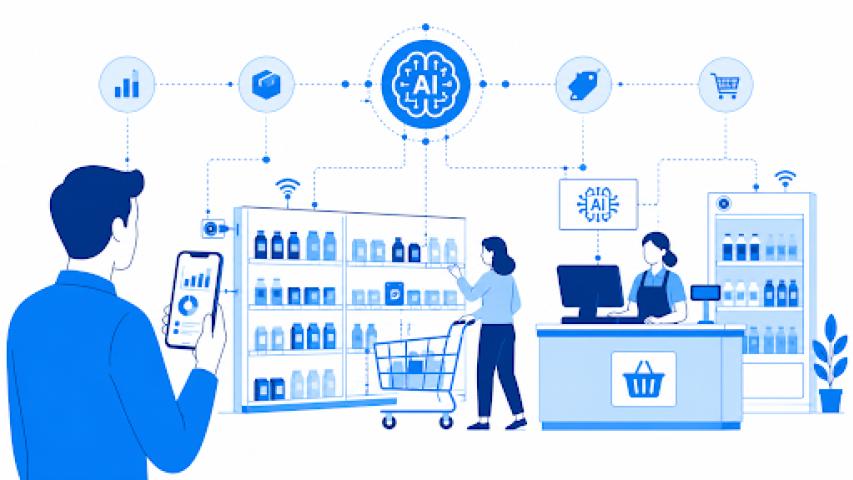
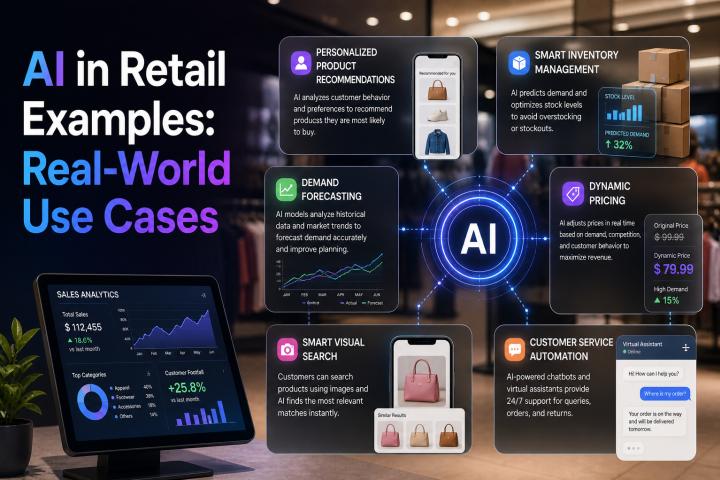
One of the core challenges retailers face is inventory management. Overstocking leads to increased holding costs, while understocking can result in missed sales opportunities. Retail software development services provide intelligent inventory management solutions that track stock levels in real-time, forecast demand using analytics, and automate replenishment processes.
With advanced systems, stores can gain insights into which products are selling faster, optimize stock placement, and reduce waste. This not only enhances operational efficiency but also ensures customers always find what they need.
Enhancing Point-of-Sale (POS) Systems
Modern POS systems are more than just checkout tools; they are hubs for sales, customer data, and analytics. Custom retail software solutions integrate POS systems with other business processes, enabling seamless transactions, loyalty program management, and personalized promotions.
For example, when a customer makes a purchase, the system can automatically update inventory, track customer preferences, and generate reports on sales trends. This level of integration transforms store operations, making them more efficient and customer-centric.
Optimizing Supply Chain Operations
Retail businesses often struggle with complex supply chains. Delays, errors, and miscommunications can disrupt store operations and affect profitability. Retail software development services offer end-to-end supply chain management solutions that enhance transparency, improve collaboration with suppliers, and enable real-time tracking of goods.
By automating procurement, logistics, and distribution, retailers can reduce costs, minimize errors, and respond swiftly to market changes. This ensures a smoother supply chain, which directly translates into better store performance.
Personalized Customer Experiences
Today’s consumers expect tailored shopping experiences. Retail software development enables the creation of customer-centric applications and tools that analyze purchasing behavior, preferences, and engagement patterns.
For instance, AI-powered recommendation engines can suggest products based on previous purchases, while mobile apps can notify customers of exclusive deals or events. By leveraging these insights, retailers can increase customer satisfaction, loyalty, and overall sales.
Data-Driven Decision Making
Data is the backbone of modern retail operations. With custom retail software solutions, businesses can collect and analyze data from multiple touchpoints, including in-store transactions, e-commerce platforms, and customer interactions.
These insights help store managers make informed decisions regarding pricing, promotions, staffing, and inventory allocation. By relying on data rather than guesswork, retailers can optimize operations, reduce costs, and identify new growth opportunities.
Integrating Omnichannel Retail
In today’s retail landscape, customers interact with brands through multiple channels—online, mobile, and in-store. Retail software development services facilitate the integration of these channels, ensuring a consistent and seamless shopping experience.
Whether a customer orders online and picks up in-store or browses via a mobile app, integrated software ensures inventory synchronization, smooth payment processing, and unified customer profiles. This omnichannel approach not only improves customer satisfaction but also boosts operational efficiency.
Improving Staff Productivity
Retail software solutions can automate routine tasks, such as reporting, scheduling, and inventory audits. This allows staff to focus on value-added activities like customer service and sales.
Moreover, task management and collaboration tools embedded in retail software enhance communication between departments, reduce errors, and ensure that operations run smoothly, even during peak hours.
Conclusion
In an increasingly competitive retail environment, efficiency, personalization, and data-driven strategies are no longer optional—they are essential. Retail software development services provide the technological backbone needed to transform store operations, from inventory management and supply chain optimization to customer engagement and omnichannel integration.
By investing in custom retail software solutions, businesses can not only streamline operations but also deliver superior shopping experiences, foster customer loyalty, and drive long-term growth.