In today’s fast-paced digital economy, retail brands are facing unprecedented challenges and opportunities. Customers demand personalized experiences, fast service, seamless online shopping, and engaging content. To meet these expectations — and stay competitive — retail companies are increasingly turning to advanced technologies like Generative AI in Retail. From revolutionizing customer interactions to optimizing supply chains, generative AI has become a pivotal driver of innovation across the retail landscape.
In this blog, we’ll explore why retail brands are adopting generative AI, current trends shaping the industry, real-world use cases, and the key benefits this technology delivers. We’ll also touch on how working with best Generative AI development services can help brands unlock these advantages.
What Is Generative AI and Why It Matters in Retail
Generative Artificial Intelligence (GenAI) refers to a class of AI models capable of creating content — text, images, designs, recommendations, and more — based on patterns learned from large volumes of data. Unlike traditional AI, which primarily analyzes and predicts, generative AI creates new artifacts and decisions in real time.
For retail brands, this means AI can automate content creation, personalize shopping experiences at scale, support decision-making, and reimagine customer engagements across both online and physical stores. The shift from traditional analytics to generative capabilities allows retailers to not just understand customers, but to dynamically respond to their needs and behaviors with highly relevant output.
Retail’s Digital Transformation and the Rise of GenAI
The retail industry has undergone a massive digital transformation over the past decade — accelerated further by COVID-19, which pushed more consumers online and magnified the importance of digital experiences. As competition intensified, retailers began looking for technologies that could:
- Accelerate digital experiences
- Personalize customer journeys
- Improve operational efficiency
- Reduce costs
- Enhance decision quality
Generative AI quickly emerged as one of the most promising tools to address these needs at scale.
According to industry insights, adoption of generative AI within retail organizations is now widespread, with the majority of retail companies deploying GenAI applications across functions like customer service, marketing, and back-end operations. Studies indicate that retail adoption rates have surged dramatically as brands seek to differentiate themselves and future-proof their businesses.
Current Trends Driving Generative AI Adoption in Retail
Let’s explore the key trends that are motivating retail brands to adopt generative AI:
1. Personalization at Scale
Consumers increasingly expect buy-personalized experiences — tailored recommendations, customized marketing, and individualized shopping journeys. Generative AI enables deeper personalization by analyzing large datasets of customer behavior and generating real-time responses that feel human, intuitive, and relevant.
From AI-driven recommendation engines to bespoke promos and emails, personalization boosts engagement, loyalty, and conversion rates.
2. Content Automation and Creative Support
Retail brands manage massive amounts of digital content — product descriptions, marketing copy, e-commerce visuals, catalog entries, email campaigns, and ads. Creating this content manually is slow, costly, and inconsistent.
With generative AI, retailers can automate content generation. AI models can produce SEO-optimized product descriptions, compelling ad copy, and even bespoke visual content in seconds — all while maintaining brand voice and >
3. Conversational Commerce and AI Assistants
Chatbots and virtual shopping assistants powered by generative AI are becoming integral in retail. These systems can answer customer queries in natural language, guide buyers through product discovery, and even assist in complex tasks like negotiating terms or suggesting bundles — 24/7 and in real time.
Partnerships between retailers and AI platforms (e.g., Walmart and OpenAI) reflect how major brands are preparing for a future where conversational commerce plays a central role in customer engagement.
4. Immersive Visual Experiences
Visual commerce — including AR try-ons and 3D product visualizations — is on the rise. With generative AI, brands can create virtual try-on experiences that allow customers to see how clothes, accessories, or makeup would look on them before buying. This not only improves the shopping experience but significantly reduces return rates.
5. Operational Optimization and Efficiency
GenAI isn’t just customer-facing. Retail brands are deploying it to optimize supply chains, forecast demand, manage inventory, and automate routine administrative tasks. By doing so, they reduce costs, minimize stockouts and overstocking, and gain agility in planning and execution.
Top Real-World Use Cases of Generative AI in Retail
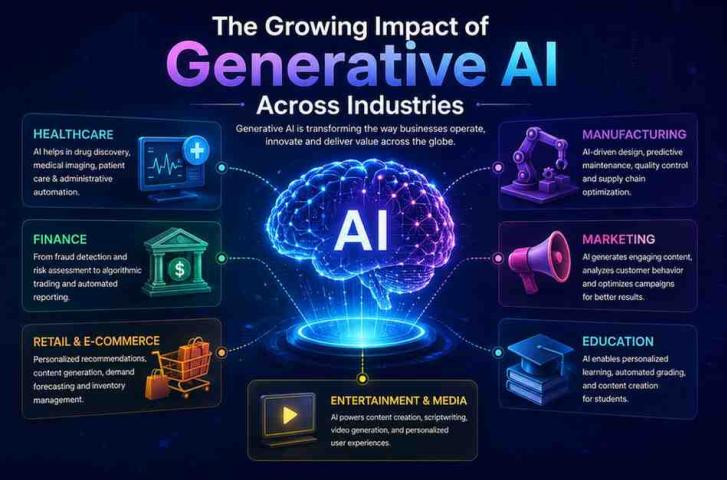
The capabilities of Generative AI in Retail extend across the entire value chain, from customer engagement to back-end processes. Below are some of the most impactful use cases transforming the industry:
1. Personalized Product Recommendations
Generative AI analyzes customer behavior, browsing history, and purchase records to suggest products most relevant to each individual shopper. This level of personalization dramatically increases engagement and increases average order value.
2. AI-Powered Virtual Try-Ons
Retailers are integrating AR and generative models to give customers realistic virtual try-on experiences. For example, beauty brands allow shoppers to see how makeup will look on their face via the camera, while apparel stores show how garments might fit.
3. Automated Content & Creative Generation
From product descriptions to email campaigns and ad visuals, generative AI can create polished marketing collateral swiftly. This leads to faster go-to-market cycles and consistent branding across channels.
4. AI-Enabled Chatbots for Support & Sales
24/7 AI chatbots can answer routine questions, process returns, assist with purchases, and guide customers to relevant products. These conversational bots reduce customer support costs while providing a faster, more engaging shopping experience.
5. Demand Forecasting & Inventory Management
AI models can simulate demand patterns and anticipate future sales fluctuations. This empowers retailers to optimize inventory levels, improving order fulfillment and reducing waste.
6. Dynamic Pricing Strategies
GenAI can help retailers adjust prices in real time based on factors such as customer demand, competitor pricing, and broader market trends — maximizing profit margins while remaining competitive.
7. Visual Merchandising & Store Layout Optimization
AI can generate optimized store layouts and product placement strategies based on shopper behavior analytics. This improves footfall flow and increases cross-sell opportunities.
8. Fraud Detection & Risk Management
By analyzing purchasing patterns and transaction data, generative AI can identify irregular activities and potential fraud, helping safeguard retailers and customers alike.
Key Benefits of Adopting Generative AI in Retail
Retailers that adopt generative AI see multiple strategic benefits — both in customer experience and operational excellence. Here’s how GenAI delivers value:
1. Enhanced Customer Experience
GenAI allows retailers to tailor every interaction — from product suggestions to post-purchase support. When customers feel understood, they spend more and return more often. Personalized experiences also increase customer loyalty and lifetime value.
2. Increased Operational Efficiency
AI automates repetitive tasks like content creation, customer support, and inventory analysis. This frees employees to focus on higher-value activities and reduces manual errors.
3. Cost Reduction
Automating key processes dramatically reduces labor and production costs associated with content generation, customer support, and operational planning.
4. Faster Innovation Cycles
Generative AI accelerates experimentation and prototyping. Whether it’s creating ad visuals or testing new merchandise designs, retailers can iterate faster and innovate with less risk.
5. Better Inventory & Supply Chain Planning
By forecasting demand more accurately, retailers can optimize stock levels, reduce waste, and ensure the right products are available at the right time.
6. Competitive Advantage
Retailers embracing generative AI tend to leap ahead of competitors that rely on traditional systems. With better personalization, dynamic pricing, and customer insights, they’re better positioned to capture market share.
7. Data-Driven Decision Making
Generative AI synthesizes data from diverse sources into actionable insights. This boosts confidence in strategic decisions, from marketing campaigns to store operations.
Challenges and Considerations
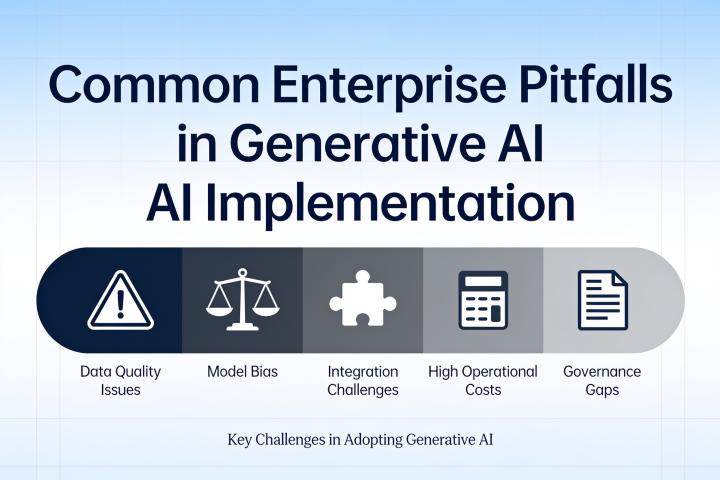
Despite its transformative potential, adopting generative AI isn’t without challenges:
- Data Privacy & Security: Handling customer data responsibly is essential as AI systems ingest and process sensitive information.
- Model Bias & Fairness: AI models can inadvertently reflect biases found in training data, leading to unfair outputs.
- Integration Complexity: Retailers need to integrate generative AI systems seamlessly with existing infrastructure.
- Staff Training: Organizations must invest in upskilling teams to work effectively with AI tools.
Working with the best Generative AI development services ensures that these challenges are addressed with industry best practices, responsible AI guidelines, and robust integration plans.
How to Choose the Best Generative AI Development Services
Partnering with the right development team can make or break your AI initiatives. Here are key factors to consider when selecting best Generative AI development services:
- Industry Expertise – Choose teams with a proven track record in retail AI projects.
- Custom Model Development – A one-size-fits-all approach won’t suffice; models should be tailored to your retail data and business objectives.
- Data Governance & Compliance – The partner must ensure secure, compliant handling of customer data.
- Deployment & Integration Support – Look for end-to-end services from development to deployment.
- Ongoing Maintenance & Iteration – Generative AI models evolve — your partner should provide continuous support.
Looking Ahead: The Future of GenAI in Retail
The adoption of generative AI in retail is poised to deepen in the coming years. As models become more sophisticated, we can expect:
- Hyper-personalized shopping assistants that understand complex natural language and contextual preferences.
- Real-time AI negotiation tools for B2B purchasing and supply contracts.
- Seamless omnichannel experiences that unify brick-and-mortar and digital channels.
- AI-driven creative departments collaborating with human designers for faster campaigns.
Retail brands that strategically invest in generative AI — and partner with expert development teams — will be best positioned to thrive in this new era of customer-centric commerce.
Conclusion
From enhancing customer engagement to optimizing operations and accelerating innovation, generative AI is reshaping the retail industry. Retailers adopting Generative AI in Retail are discovering new ways to deliver value, differentiate their brands, and compete in an increasingly digital marketplace. As AI continues to evolve, working with best Generative AI development services will enable retail brands to harness this powerful technology responsibly and effectively.