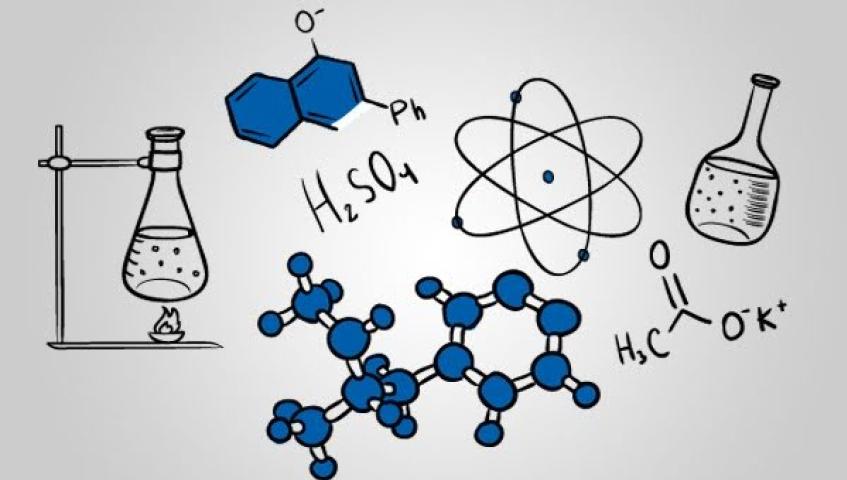
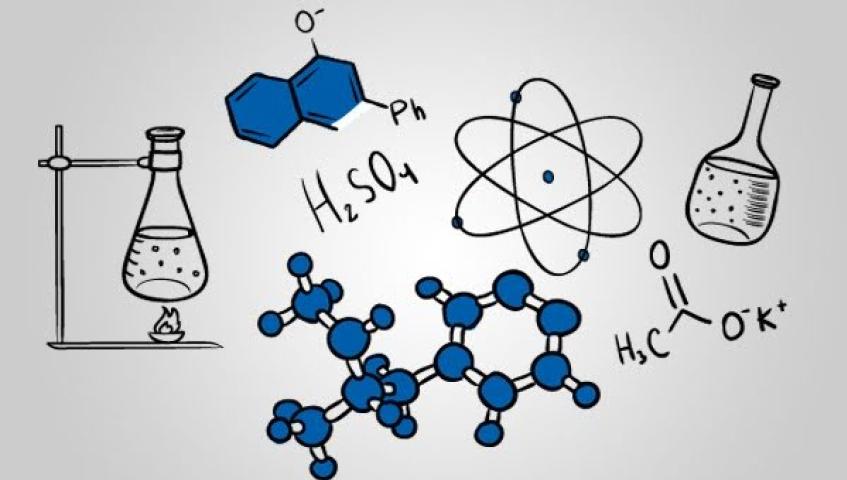
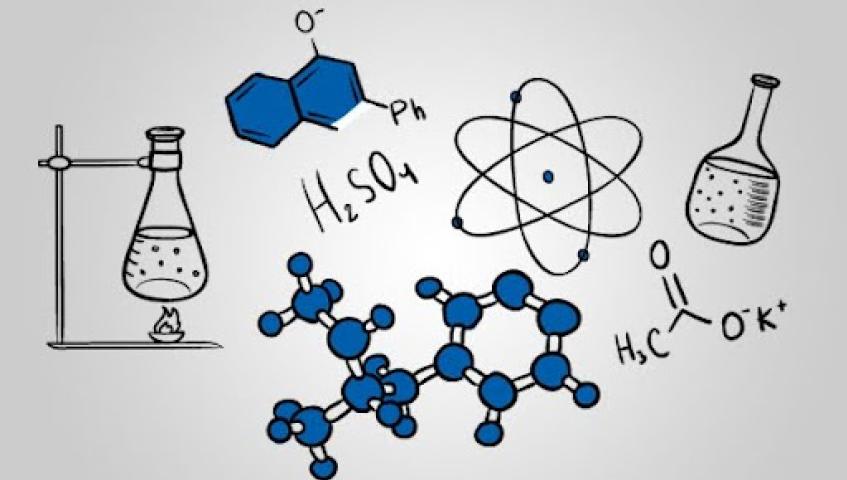
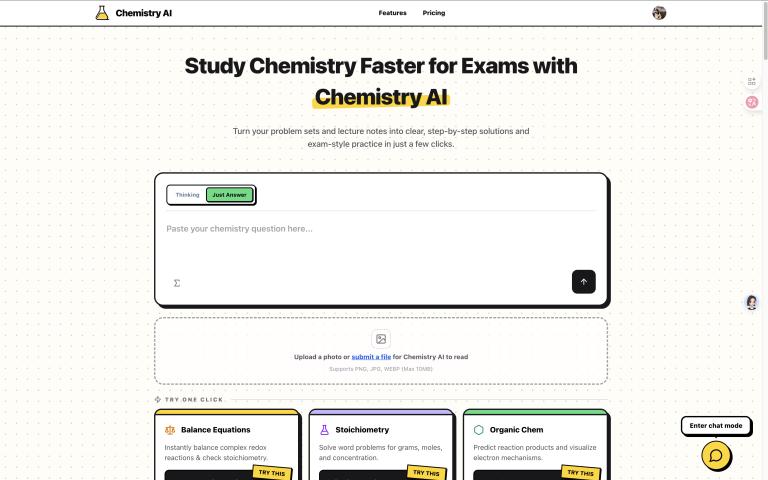
Mastering chemistry requires more than memorizing formulas; it demands understanding complex concepts, visualizing molecular structures, and applying knowledge in problem-solving. For students and professionals alike, interactive online lessons have become a key tool for improving comprehension and building practical skills. By combining multimedia content, virtual labs, and real-time feedback, online education transforms traditional learning into a dynamic and engaging experience.
Why Chemistry Can Be Challenging
Chemistry, particularly organic chemistry, involves understanding reactions, molecular interactions, and three-dimensional structures. Many students struggle with abstract concepts, such as electron movement, stereochemistry, or reaction mechanisms. Traditional classroom methods, which often rely heavily on textbooks and static diagrams, can make these topics feel overwhelming and inaccessible.
Complexity in chemistry also arises from the sequential nature of learning. Each concept often builds on previous knowledge, making gaps in understanding more significant. Without proper visualization and practice, students may find it difficult to connect theoretical ideas to real-world chemical behavior.
The Role of Interactive Learning
Interactive lessons offer a solution by engaging students in active rather than passive learning. Through simulations, animations, quizzes, and interactive exercises, learners are encouraged to explore, experiment, and test their understanding in real time.
For example, animations of reaction mechanisms allow students to visualize electron flow and bond rearrangements. Interactive exercises let learners predict reaction outcomes and immediately see the results, reinforcing conceptual understanding and critical thinking.
Visualization of Molecular Structures
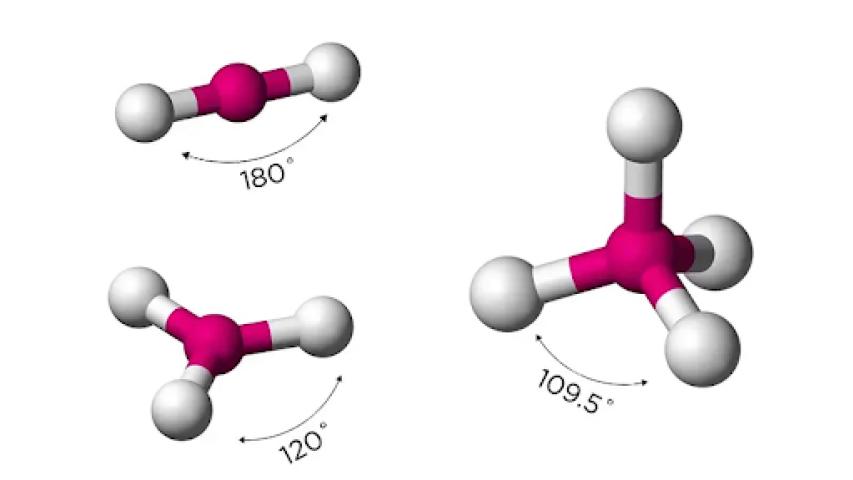
One of the major benefits of online chemistry education is the ability to manipulate and explore three-dimensional molecular structures. Interactive models provide a tangible way to understand molecular geometry, functional groups, and stereochemistry.
Students can rotate molecules, zoom in on specific atoms, and examine bonding patterns. This hands-on digital approach allows learners to see what is otherwise invisible in physical experiments or textbooks, deepening comprehension and retention.
Step-by-Step Reaction Mechanisms
Reaction mechanisms can be one of the most challenging aspects of chemistry. Online lessons simplify these by breaking down reactions into sequential steps, showing how bonds form and break, and highlighting electron movements.
Step-by-step visualizations help students follow the logic behind each reaction, reducing confusion and building confidence. Repeated exposure through interactive lessons reinforces learning, making complex reactions easier to understand and recall.
Personalized Learning for Effective Skill Development
Every student learns differently, and online platforms can adapt to individual learning >
A well-designed organic chemistry online course can assess progress continuously, offering tailored exercises, feedback, and resources to strengthen weak areas. This personalized approach ensures that learners achieve mastery over difficult concepts, improving both academic performance and practical skills.
Virtual Labs and Safe Experimentation
Virtual laboratories provide a safe and accessible way to conduct chemical experiments. Students can manipulate variables such as concentration, temperature, and catalysts to observe how reactions change.
These simulations allow learners to explore outcomes repeatedly without the risks associated with real-life experiments. By practicing in a virtual environment, students reinforce theoretical knowledge and gain confidence before moving on to hands-on lab work.
Immediate Feedback and Reinforcement
Interactive online lessons offer immediate feedback, which is essential for effective learning. When students attempt problems or participate in simulations, they can instantly see correct solutions, explanations, and alternative approaches.
This instant reinforcement helps prevent misconceptions from forming, enabling learners to adjust their understanding in real time. Immediate feedback encourages self-directed learning and promotes long-term retention of chemical principles.
Engaging with Real-World Applications
Connecting theoretical chemistry concepts to real-world applications makes learning more meaningful and motivating. Online lessons often integrate examples from pharmaceuticals, environmental chemistry, and materials science to show how chemistry drives innovation.
By linking learning to practical outcomes, students understand the relevance of their studies and develop problem-solving skills that extend beyond the classroom.
Flexibility and Accessibility for Modern Learners
Online lessons provide flexibility that traditional classrooms cannot. Students can access content anytime, revisit difficult topics, and study at their own pace. This is particularly valuable for working professionals, international learners, or students balancing multiple responsibilities.
A comprehensive organic chemistry online course offers consistent access to structured content, enabling learners to progress steadily and gain mastery over time.
Collaboration and Peer Learning
Interactive platforms also facilitate collaboration among students through discussion forums, group projects, and live Q&A sessions. Peer learning allows students to exchange ideas, solve problems collectively, and gain diverse perspectives on chemical concepts.
Collaborative engagement enhances understanding, builds communication skills, and prepares learners for team-oriented environments in academic and professional settings.
Developing Transferable Skills
Studying chemistry online goes beyond knowledge acquisition. Students develop critical thinking, digital literacy, time management, and independent learning skills. These competencies are essential for success in higher education and professional scientific careers.
Working with interactive tools, virtual labs, and adaptive lessons prepares learners for the digital workflows increasingly common in research and industry.
Overcoming Learning Barriers
Digital platforms help overcome traditional learning barriers such as access to physical labs, geographical limitations, or lack of high-quality resources. Inclusive design, adjustable pacing, and multimedia content ensure that students from diverse backgrounds can effectively learn complex concepts.
Accessibility features also support students with disabilities, making chemistry education more equitable and widespread.
Preparing for Exams and Professional Applications
Interactive online lessons equip students with the knowledge and skills required for exams and real-world applications. Practice exercises, quizzes, and simulations reinforce understanding while improving problem-solving abilities.
Exposure to a variety of scenarios and applications ensures that learners are ready for academic assessments, laboratory work, and professional challenges in chemistry-related fields.
Future of Interactive Chemistry Learning
As technology evolves, online chemistry education will become even more immersive. Innovations such as virtual reality labs, AI-driven personalized learning, and augmented reality simulations promise more intuitive and engaging experiences.
These advancements will make mastering complex topics like chemical reactions, molecular structures, and organic mechanisms more accessible to learners worldwide.
Conclusion
Interactive online lessons have transformed the way students learn chemistry, offering visualization, practice, and personalized guidance that traditional methods often cannot. By engaging actively with content, exploring virtual labs, and receiving real-time feedback, learners can deepen their understanding and build practical skills. As digital education continues to grow, online chemistry courses provide a flexible, effective, and engaging pathway for anyone looking to boost their chemistry expertise.