Modern
data centers are under constant pressure to deliver faster deployments, higher
reliability, and seamless scalability. As enterprises shift toward
software-defined and hybrid infrastructures, automation has become a core
operational requirement rather than an optional enhancement. Many professionals
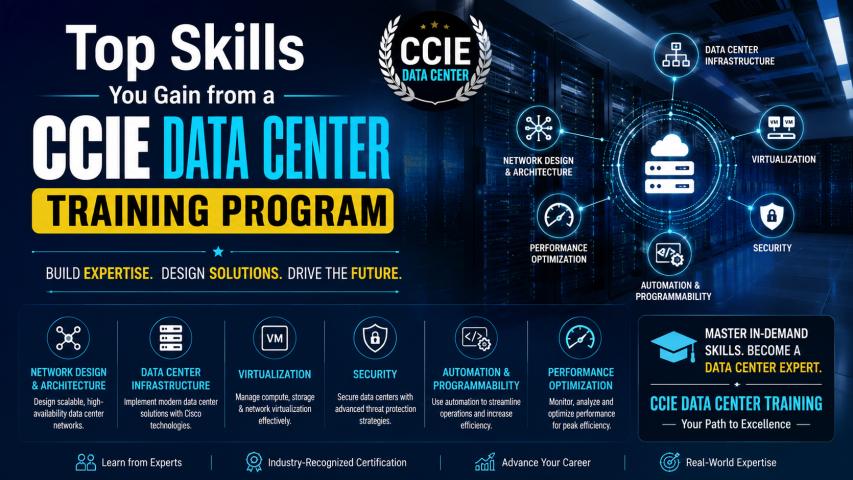
exploring CCIE Data Center career paths are now expected to understand
how Python, Ansible, and APIs work together to automate complex data center
networks.
This blog
provides a neutral, SEO-optimized overview of data center network automation,
explaining why these tools matter, how they are used in real environments, and
what skills engineers need to stay relevant.
Why Network Automation Is Critical in Today’s Data
Centers
Traditional
data center operations rely heavily on manual CLI configurations. While
effective in small environments, manual processes struggle with:
- Large-scale device counts
- Frequent configuration
changes
- Multi-site and hybrid
deployments
- Human error and
configuration drift
- Faster business delivery
expectations
Automation
addresses these challenges by enabling repeatable, consistent, and auditable
network operations. Python, Ansible, and APIs together form the backbone of
modern network automation strategies.
The Role of Python in Data Center Network
Automation
Python is
the most widely used programming language for network automation due to its
simplicity, flexibility, and strong ecosystem.
Key Uses of Python in Data Centers
1. Automating Repetitive Tasks
Python
scripts can automate tasks such as:
- Interface configuration
- VLAN and VXLAN provisioning
- Device health checks
- Backup and restore
operations
This
reduces manual effort and saves time across large environments.
2. Data Collection and Analysis
Python
helps engineers:
- Pull configuration data from
devices
- Parse logs and routing
tables
- Analyze performance metrics
- Generate compliance reports
This
data-driven approach improves visibility and troubleshooting efficiency.
3. API Integration
Python is
commonly used to interact with REST APIs exposed by:
- Network controllers
- Network operating systems
- Orchestration platforms
This
allows engineers to manage infrastructure programmatically instead of relying
on CLI access.
Ansible: Simplifying Multi-Device Automation
Ansible
is a powerful, agentless automation tool designed to manage infrastructure at
scale. It is especially popular in data center environments due to its
simplicity and declarative approach.
Why Ansible Works Well for Network Automation
1. Agentless Architecture
Ansible
does not require agents on network devices, making it easy to deploy and
maintain.
2. Declarative Configuration
Engineers
describe the desired state of the network, and Ansible ensures devices conform
to that state.
3. Multi-Device Consistency
Ansible
playbooks allow teams to:
- Apply identical
configurations across hundreds of devices
- Reduce configuration drift
- Maintain standardization
across sites
4. Integration with Network Platforms
Ansible
supports modules for many network platforms and integrates smoothly with APIs,
making it ideal for data center automation.
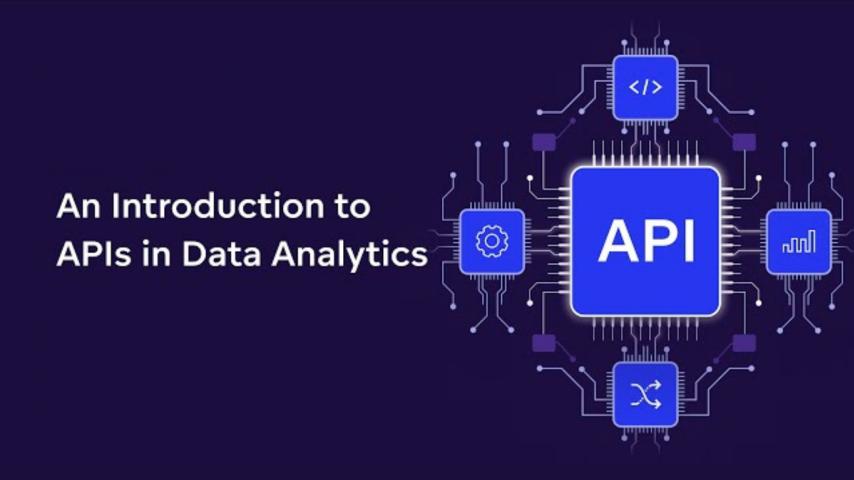
APIs: The Foundation of Programmable Networks
APIs
(Application Programming Interfaces) enable direct, programmatic interaction
with network systems.
Why APIs Matter in Data Centers
Modern
data center platforms expose REST APIs that allow engineers to:
- Create and modify network
objects
- Deploy policies at scale
- Integrate with automation
pipelines
- Enable self-service
infrastructure models
APIs
shift network management from device-by-device configuration to centralized,
software-driven control.
How Python, Ansible, and APIs Work Together
These
three components complement each other rather than compete.
Typical Automation Workflow
- APIs expose network capabilities
and configuration options
- Python handles logic, data
processing, and custom workflows
- Ansible orchestrates changes across
multiple devices
For
example:
- Python scripts gather
network state via APIs
- Ansible playbooks apply
standardized configurations
- APIs ensure changes are
applied consistently and centrally
This
layered approach creates a robust automation framework.
Common Data Center Automation Use Cases
1. Network Provisioning
Automating:
- VLAN/VXLAN creation
- Routing and policy
configurations
- Interface setup
2. Configuration Compliance
Ensuring
devices match approved templates and flagging deviations.
3. Change Management
Deploying
network changes safely using version-controlled playbooks and scripts.
4. Monitoring and Health Checks
Automated
scripts that:
- Monitor latency and
throughput
- Detect anomalies
- Trigger alerts or
remediation
5. Multi-Site Operations
Managing
consistent network behavior across geographically distributed data centers.
Benefits of Network Automation
1. Reduced Human Error
Automation
minimizes manual misconfigurations.
2. Faster Deployments
Tasks
that took hours or days can now be completed in minutes.
3. Improved Reliability
Standardized
configurations reduce outages and instability.
4. Better Scalability
Small
teams can manage large infrastructures effectively.
5. Stronger Governance
Version
control and automation logs improve auditing and compliance.
Challenges to Be Aware Of
Despite
its advantages, automation adoption comes with challenges:
- Initial learning curve
- Need for cultural change
within operations teams
- Proper handling of
credentials and security
- Managing automation failures
safely
These
challenges are manageable with structured learning and gradual adoption.
Skills Engineers Need for Network Automation
To
succeed in automated data center environments, engineers should focus on:
- Python fundamentals
- YAML and Ansible playbooks
- REST API concepts
- Version control with Git
- Basic CI/CD workflows
These
skills significantly enhance career prospects in modern infrastructure roles.
Why Network Automation Is the Future
As data
centers become more dynamic and integrated with cloud platforms, manual operations
will continue to decline. Automation enables organizations to respond quickly
to business needs while maintaining stability and security.
Engineers
who understand Python, Ansible, and APIs are better positioned to support
next-generation infrastructure and lead automation initiatives.
Conclusion
Data
center network automation using Python, Ansible, and APIs has become a
fundamental requirement for modern infrastructure operations. By enabling
consistency, scalability, and speed, automation transforms how networks are
built and managed. In conclusion, developing strong automation skills is no
longer optional for data center professionals—it is a natural extension of
advanced expertise gained through CCIE Data Center Training.