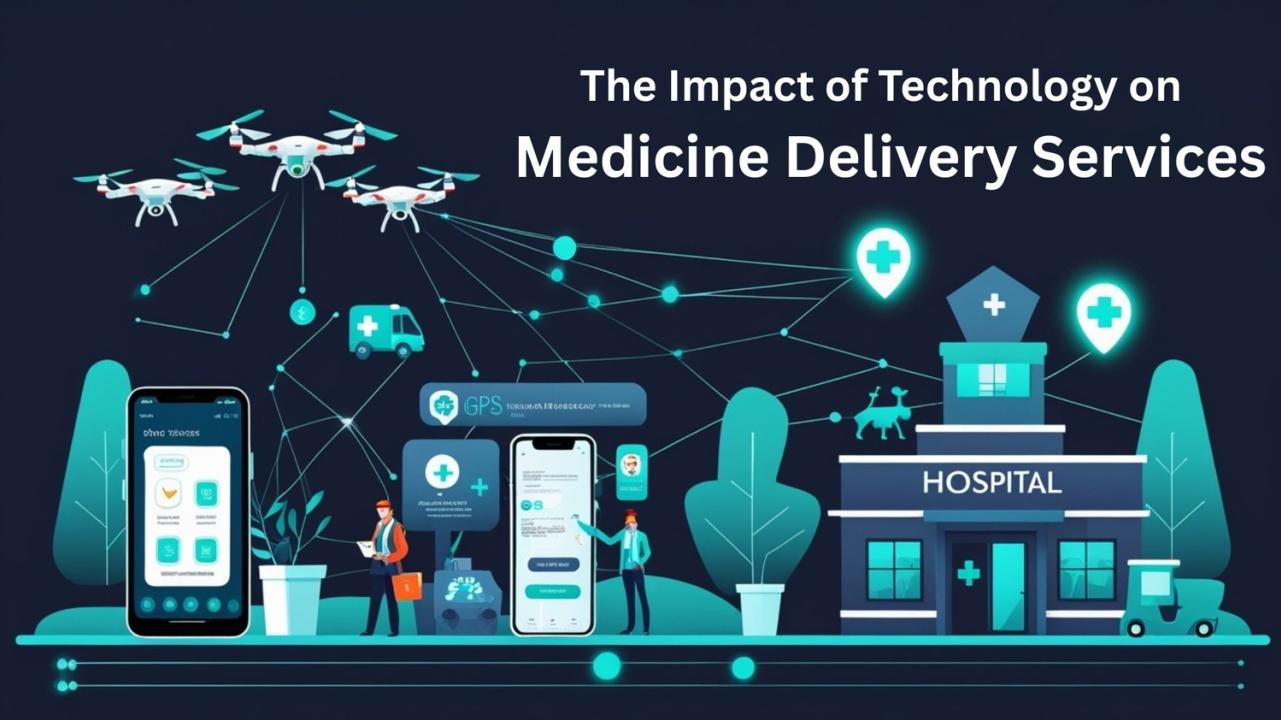
The rapid advancement of technology has profoundly transformed various sectors, and healthcare is no exception. Medicine delivery services, a critical component of patient care, have evolved significantly with the integration of innovative technologies. From telemedicine platforms facilitating remote consultations to mobile applications enhancing patient engagement, these advancements have improved the efficiency and accessibility of medication delivery. As we explore the impact of technology on medicine delivery services, it becomes clear that these changes not only streamline operations but also contribute to personalized patient care, while also presenting unique challenges and ethical considerations that must be addressed.
Introduction to Medicine Delivery Services
Overview of Medicine Delivery Systems
Medicine delivery services have come a long way from the days when a local pharmacist was your go-to for prescriptions. Today, with a few clicks on your smartphone, your meds can be on their way faster than you can say “where did I leave my keys?” The systems vary from local pharmacies offering home delivery to large-scale companies that deliver your prescriptions right to your doorstep. It's a convenience that feels like magic—one moment you're staring at an empty pill bottle, and the next, you’ve got a package at your door.
Importance of Timely Medication Delivery
Timely medication delivery is the unsung hero of patient care. For many, medication isn’t just important; it’s life-changing (or life-saving). When patients receive their medications on time, it helps ensure adherence to prescribed treatment plans, enhancing health outcomes and reducing hospital visits. Let’s face it; nobody wants to play the waiting game when it comes to their health. Every minute counts, and timely delivery means patients can focus on what truly matters—like binge-watching their favorite shows without worrying about their refill.
Evolution of Technology in Healthcare
Historical Context of Medicine Delivery
Back in the day, medicine delivery wasn’t much more than a well-meaning neighbor making deliveries on their bicycle or a pharmacy that closed with the sunset. Fast forward to today, where advanced logistics, tracking systems, and an app for everything have transformed the way we get our medications. The evolution of technology in healthcare is like watching a sci-fi movie unfold—robots, drones, and AI are becoming involved in the mix. Who thought getting your pills could be this futuristic?
Technology Adoption in Healthcare
The healthcare sector has slowly but surely hopped aboard the technology train, albeit with some hesitation. Initially, the idea of using technology was met with skepticism—after all, this is about people’s health! But as technology proved its worth, adoption soared. Electronic health records (EHRs), telemedicine, and now, a surge in delivery services powered by apps have all become pivotal components. It’s like healthcare professionals learned to embrace the power of the internet—and now, the internet is helping deliver your prescriptions faster than you can say “where’s my tracking number?”
The Role of Telemedicine in Prescription Delivery
Defining Telemedicine
Telemedicine, once a buzzword in healthcare, is now a term that has become part of everyday conversation (right alongside “Did you see the latest cat video?”). It involves providing clinical services remotely using telecommunications technology. Telemedicine allows patients to consult their healthcare providers via video calls, chats, or even carrier pigeons—just kidding on that last one! This approach not only saves time but also makes healthcare accessible to those who might not be able to make the trek to a clinic.
How Telemedicine Facilitates Delivery
So, how does telemedicine fit into the whole prescription delivery spectacle? Well, after a consult, healthcare providers can send prescriptions directly to a pharmacy, increasing efficiency and cutting out the middleman (no more lost paper prescriptions!). Patients can also receive quick follow-ups through telemedicine, ensuring they’re on the right track, all while their medications are being prepared for delivery. It’s like having a personal assistant—except the assistant is a digital platform and your doctor is just a screen away!
Mobile Applications and Patient Engagement
Popular Medicine Delivery Apps
Welcome to the age of apps, where you can literally order anything from food to fashion and, yes, even your medications! Apps like GoodRx, PillPack, and NowRx have changed the landscape of medicine delivery, each offering unique features to keep you connected to your prescriptions. Some allow price comparisons, while others offer auto-refills and reminders. With these handy tools, your medicine is not just a swipe away—it’s practically begging you to reach out and grab it.
Enhancing Patient Experience through Technology
The integration of mobile applications into medicine delivery services isn’t just about convenience; it’s about enhancing the entire patient experience. With features like medication reminders, easy refills, and personalized health tips, these apps transform medication management into an interactive experience. Patients are no longer passive recipients of care—they’re engaged, informed, and empowered. And let’s be honest, who doesn’t want a little extra help remembering to take their pills while juggling a busy life>
Automation and Robotics in Medicine Delivery
Types of Automation in Delivery Services
Automation in medicine delivery services comes in various forms, turning the tedious task of transporting meds into a slick operation. We’ve got drones buzzing around like busy bees, zipping prescriptions from pharmacies to patients’ doorsteps. Then there are automated kiosks and vending machines, the kind you might find in hospital lobbies, dispensing medications right when you need them. Not to forget the good old warehouse robots, which streamline sorting and packing processes faster than you can say “Where’s my refill?” Automation makes the entire delivery process quicker, safer, and—let’s be honest—much cooler.
Benefits of Robotics in Healthcare Logistics
Robotics adds a sprinkle of magic to healthcare logistics, and the benefits are potent. First off, these mechanical wonder-workers never get tired, meaning they can operate around the clock without needing coffee breaks. This leads to increased efficiency and reduced wait times for patients. Additionally, robotics minimizes human error—no more missing prescriptions due to a caffeine-induced slip-up! And let’s not forget about the safety aspect; robots can safely navigate hazardous environments, ensuring that medications reach their destinations without a hitch. So, while humans might do the healing, robots handle the driving—and everyone breathes a little easier.
Data Analytics and Personalized Medicine
Role of Big Data in Medicine Delivery
Big Data sounds like a cool superhero, doesn’t it? In the realm of medicine delivery, this “hero” helps organizations analyze vast amounts of information to optimize delivery routes, predict demands, and manage inventory effectively. By mining patient data, healthcare providers can discern patterns and trends—like which medications are frequently requested during flu season. This not only ensures that pharmacies are stocked but also helps refine logistics, making it easier for patients to get their hands on necessary meds when they need them the most. In a nutshell, Big Data transforms what was once a guessing game into a well-informed strategy.
Customizing Delivery Based on Patient Needs
Imagine a world where your medication is delivered not just to your house, but tailored specifically to your needs—when and where you want it. That’s the magic of customizing delivery through data analytics! By leveraging patient profiles, providers can consider factors like age, preferred time for delivery, and past medication pick-up behavior to create a personalized delivery experience. This not only improves adherence to medication regimens (because nobody wants to miss out on their pill, right?) but also enhances patient satisfaction. It’s like having a personal assistant devoted solely to ensuring you have your meds, minus the awkward small talk.
Challenges and Ethical Considerations
Privacy Concerns with Digital Health
With great data comes great responsibility, or so the saying goes. The digital revolution in healthcare puts patient privacy under the spotlight, leading to some serious ethical dilemmas. As healthcare providers collect and analyze heaps of personal information, the question arises: how secure is this data? Patients want to trust that their prescription history and health conditions are safeguarded—nobody wants their embarrassing “toe fungus” story going viral. Striking a balance between utilizing data for better medicine delivery and protecting patient privacy is crucial, making it a hot topic for discussion among healthcare professionals.
Access and Equity in Medicine Delivery
As technology advances, so too should our awareness of access and equity in medicine delivery. Not everyone has equal access to the latest tech, and as convenient as drone deliveries sound, they might not be feasible for those in underserved communities. Disparities in internet access, smartphone ownership, and technological literacy can leave some patients feeling like they’re stuck in the Stone Age while others zip ahead. Ensuring equitable access to medicine delivery services is essential, so everyone can reap the benefits of this innovative landscape, not just those with the fanciest gadgets.
Future Trends in Medicine Delivery Services
Emerging Technologies Shaping the Future
Hold onto your stethoscopes because the future of medicine delivery is brimming with exciting tech trends! We’re looking at telehealth integrations that will allow for real-time consultations while meds are on their way. Imagine video calls while your pharmacist personally delivers your prescription—talk about service! Additionally, AI is set to revolutionize predictive analytics, helping anticipate patient needs before they even place an order. And let’s not forget about blockchain technology, which could ensure transparency and security in the supply chain. The future doesn’t just look bright; it’s practically glowing!
Predictions for the Next Decade in Medicine Delivery
Fasten your seatbelts, folks—over the next decade, we’ll likely see medicine delivery services become almost unrecognizable! Expect an uptick in autonomous delivery vehicles zooming around towns, while virtual reality experiences might allow patients to monitor their medications from the comfort of their couch. We could even see a world where 3D printing allows for on-demand medication manufacturing, reducing waste and ensuring no one goes without their prescriptions. If we play our cards right, future medicine delivery could be so efficient that patients will find themselves more focused on enjoying life rather than worrying about picking up their meds. Fingers crossed!In conclusion, the integration of technology into medicine delivery services has revolutionized the way patients access their medications, improving convenience and efficiency. As advancements continue to emerge, it is essential for healthcare providers and policymakers to navigate the accompanying challenges and ethical considerations to ensure that these innovations benefit all patients. Looking ahead, the ongoing evolution of technology promises to further enhance the landscape of medicine delivery, ultimately leading to better health outcomes and a more patient-centric approach to care.
Frequently Asked Questions
1. How has telemedicine improved medicine delivery services?
Telemedicine has enabled remote consultations, allowing healthcare providers to prescribe medications without requiring in-person visits. This streamlines the process of obtaining prescriptions and ensures that patients receive their medications more quickly.
2. What role do mobile applications play in medicine delivery?
Mobile applications facilitate easy ordering and tracking of medications, enhance communication between patients and pharmacists, and provide reminders for medication refills, thus improving patient engagement and adherence to treatment plans.
3. Are there any privacy concerns associated with technology in medicine delivery?
Yes, the use of digital platforms for medicine delivery raises concerns about data privacy and security. It is crucial for service providers to implement robust measures to protect patient information and ensure compliance with regulations such as HIPAA.
4. What challenges do healthcare providers face with the adoption of technology in medicine delivery?
Healthcare providers may encounter challenges such as the need for staff training, integration of new technologies into existing systems, and addressing disparities in access for patients who may not be tech-savvy or lack reliable internet access.