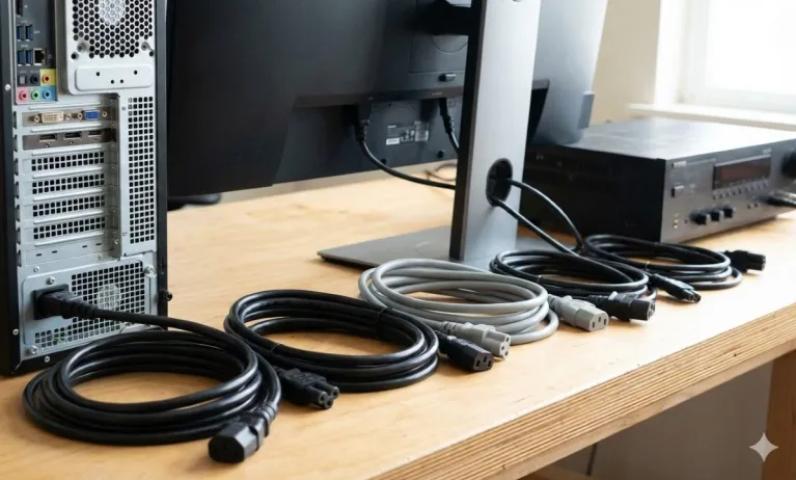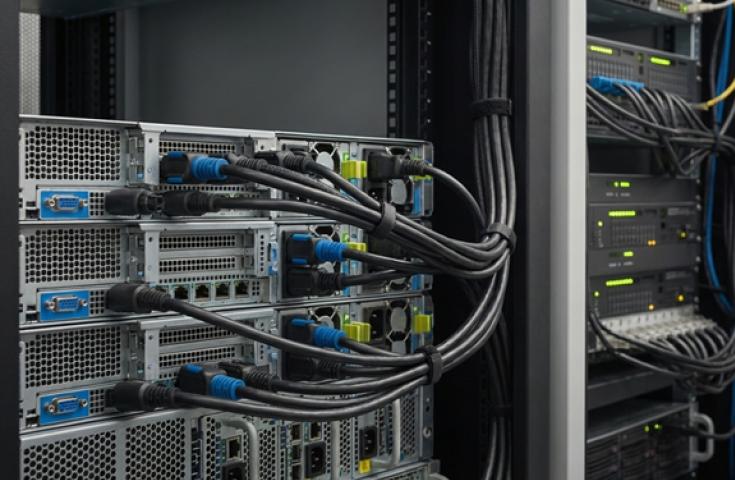
Data centres form the backbone of our digital infrastructure, powering everything from cloud services to financial transactions. Within these facilities, thousands of servers, networking equipment, and storage devices operate continuously. The reliability of these operations depends heavily on one often-overlooked component: the IEC power cable. These standardized power cords play a vital role in ensuring data centres run smoothly, safely, and efficiently.
Understanding IEC Power Cables
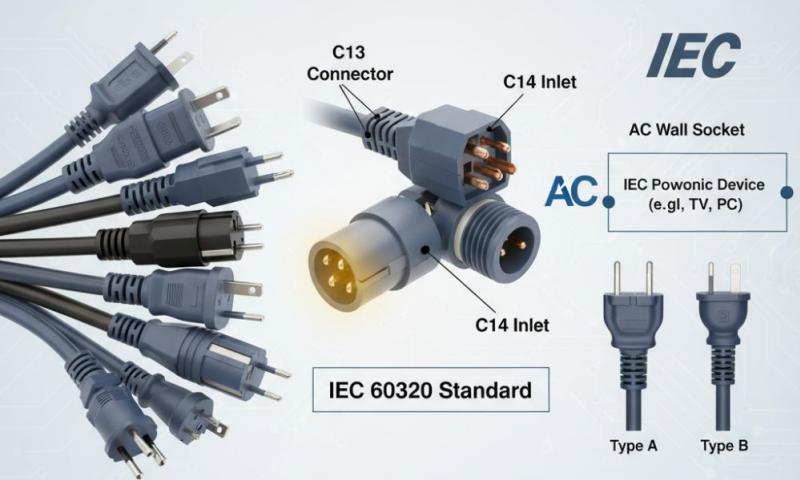
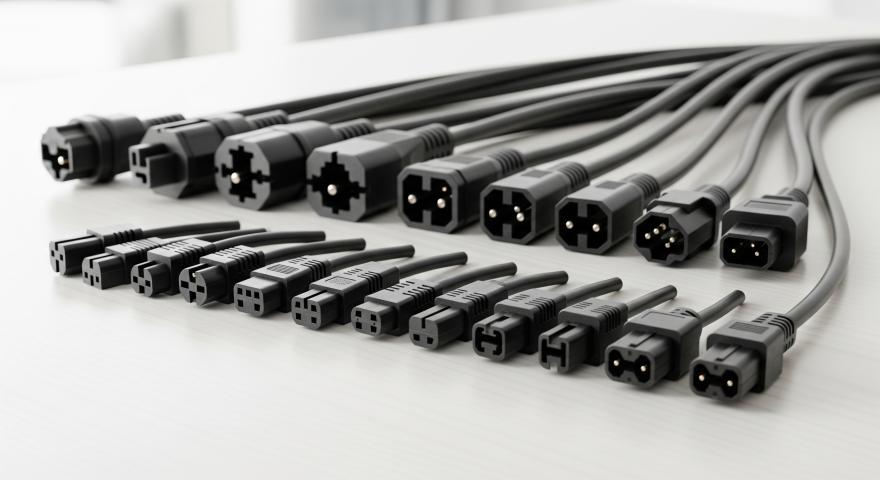
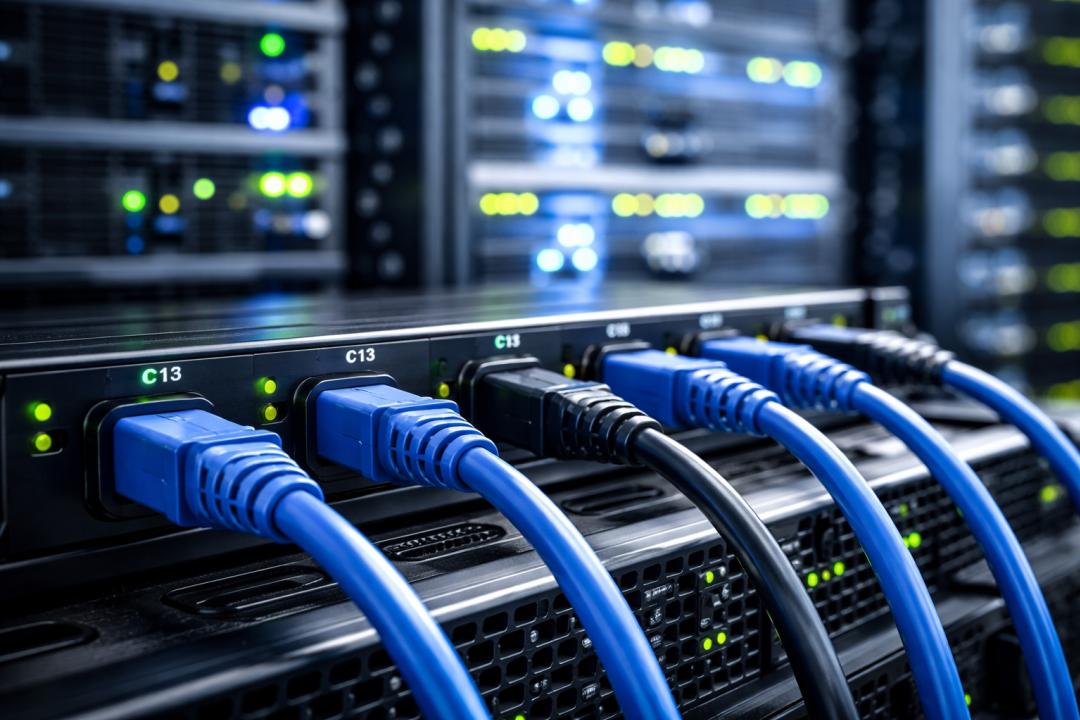
The International Electrotechnical Commission (IEC) establishes global standards for electrical connectors and cables. An IEC power cable refers to power cords that comply with these international standards, ensuring consistency and compatibility across different equipment and regions. These cables feature standardized connectors, such as C13/C14 and C19/C20 configurations, which data centre professionals recognize worldwide.
Unlike proprietary power solutions, IEC power cables offer universal compatibility. This standardization eliminates confusion during equipment installation and replacement, making them indispensable in data centre environments where multiple vendors supply hardware.
The Critical Role of Standardization
Data centres house equipment from dozens of manufacturers. Servers from Dell, HP, and Cisco share space with networking gear from Juniper and storage arrays from NetApp. Each piece of equipment requires reliable power connections, and standardization becomes paramount.
IEC power cables provide this crucial standardization. When technicians replace a failed server or add new equipment, they know exactly which cable they need. The C13 connector fits seamlessly into C14 outlets on power distribution units (PDUs), while C19/C20 configurations handle higher amperage requirements for demanding equipment.
This standardization reduces procurement complexity. Data centre managers maintain smaller inventories of cable types, cutting costs and simplifying logistics. When emergencies strike, technicians quickly locate the correct cable without searching through proprietary options.
Ensuring Reliability and Uptime
Downtime costs data centres thousands of dollars per minute. A single power failure can cascade through systems, affecting countless customers and services. IEC power cables contribute significantly to preventing such disasters through their robust design and quality standards.
These cables undergo rigorous testing to meet IEC specifications. They must withstand specific voltage levels, current loads, and environmental conditions. Quality IEC power cables resist wear from repeated plugging and unplugging, maintain secure connections under vibration, and handle the heat generated in densely packed server racks.
The locking mechanisms on many IEC connectors prevent accidental disconnections. C13 and C19 connectors feature retention clips that keep cables firmly attached even when technicians work nearby. This simple feature prevents countless potential outages caused by loose connections.
Flexibility in Power Distribution
Modern data centres require flexible power distribution strategies. IEC power cables come in various lengths, gauges, and configurations, allowing facilities to optimize their power delivery systems.
Short cables minimize clutter in server racks, improving airflow and cooling efficiency. Longer cables enable strategic placement of PDUs away from heat-sensitive equipment. Different wire gauges accommodate varying power requirements, from low-wattage networking switches to power-hungry blade servers.
The availability of both straight and angled connectors helps data centre designers route cables efficiently. Right-angle connectors reduce the space required behind equipment, allowing servers to sit closer to rack rails and maximizing usable space.
Supporting High-Density Environments
As computing power increases, data centres pack more equipment into smaller spaces. High-density deployments generate significant heat and demand substantial power. IEC power cables evolved to meet these challenges.
Higher-rated IEC power cables, such as those with C19/C20 connectors, deliver up to 20 amperes at 250 volts. This capacity supports power-hungry servers and high-performance computing equipment without requiring multiple cables or complex wiring schemes.
The compact design of IEC connectors conserves precious rack space. Unlike bulky proprietary connectors, IEC plugs maintain a small footprint, allowing more equipment in each rack while maintaining proper cable management.
Facilitating Maintenance and Upgrades
Data centres constantly evolve. Equipment refreshes happen regularly as organizations upgrade to newer, more efficient hardware. IEC power cables simplify these transitions significantly.
When technicians replace servers, they simply disconnect the IEC power cable, remove the old equipment, install the new server, and reconnect the same cable. The universal compatibility eliminates the need to replace entire power distribution systems during upgrades.
This compatibility extends internationally. Companies operating global data centre networks can standardize on IEC power cables across all facilities, regardless of location. Technicians trained in one facility immediately understand the power infrastructure in another, reducing training costs and errors.
Cost Efficiency and Scalability
Budget considerations drive many data centre decisions. IEC power cables offer excellent cost efficiency compared to proprietary alternatives.
The widespread adoption of IEC standards creates economies of scale. Manufacturers produce these cables in massive quantities, driving down prices. Data centres purchase IEC power cables at competitive rates while maintaining high quality standards.
Standardization also reduces waste. When facilities decommission equipment, they can reuse IEC power cables with new hardware. This reusability lowers operational costs and supports sustainability initiatives that many organizations prioritize today.
Safety and Compliance
Electrical safety remains paramount in data centres. IEC power cables meet stringent safety requirements established through international cooperation and testing.
These cables incorporate proper insulation, grounding, and construction standards that protect both equipment and personnel. Compliance with IEC standards helps data centres meet regulatory requirements across different jurisdictions, simplifying audits and certifications.
Many IEC power cables carry additional certifications from organizations like UL, CE, and CSA, providing multiple layers of quality assurance. These certifications give data centre operators confidence that their power infrastructure meets the highest safety standards.
Conclusion
The humble IEC power cable represents far more than a simple connector. These standardized cables form the foundation of reliable power distribution in modern data centres. They provide universal compatibility, ensure reliability, support high-density environments, and offer cost-effective solutions for facilities of all sizes.
As data centres continue growing in importance and complexity, the role of standardized components like IEC power cables becomes increasingly critical. Organizations investing in quality IEC power cables protect their infrastructure, reduce downtime risks, and position themselves for future growth. In the demanding world of data centre operations, these cables prove that sometimes the smallest components make the biggest difference.