Stock Tokenization vs Traditional Shares: A Complete Comparison
Capital markets are evolving—no doubt about it. While traditional shares have long been the backbone of equity investing, Stock Tokenization is challenging the status quo with blockchain-powered infrastructure.
For institutional investors and fintech leaders, this isn’t just a technical debate—it’s a strategic decision. Infrastructure choices today will shape liquidity models, operational efficiency, and competitive positioning tomorrow.
So, how exactly does Stock Tokenization stack up against traditional shares?
Let’s dig in.
Understanding the Basics
Before comparing, let’s quickly define both models.
What Are Traditional Shares?
Traditional shares represent ownership in a company, typically issued, traded, and settled through centralized exchanges. Transactions pass through multiple intermediaries, including:
Brokers
Clearinghouses
Custodians
Transfer agents
Settlement cycles traditionally operate on T+2 (now moving toward T+1 in some markets).
What Is Stock Tokenization?
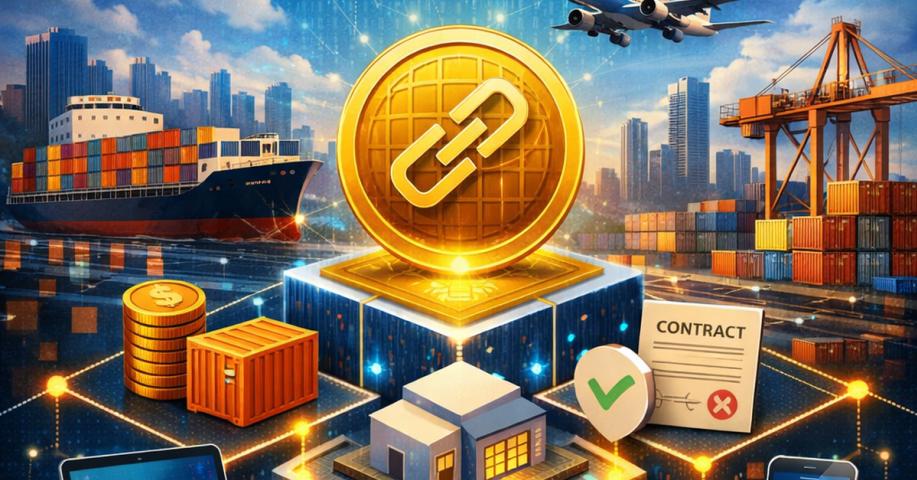
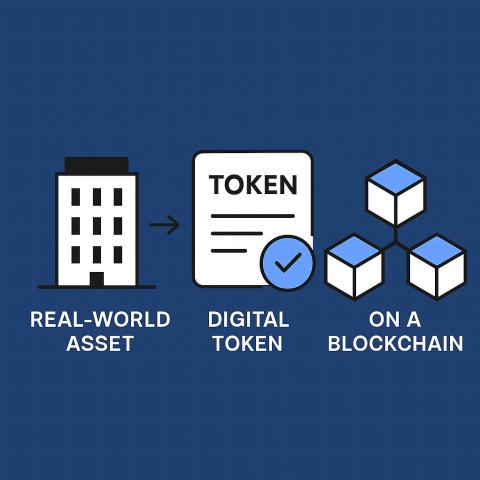
Stock Tokenization refers to representing equity ownership as digital tokens on a blockchain network. These tokens mirror real shares and can embed compliance rules, automation, and near-instant settlement capabilities.
Unlike traditional systems, blockchain records transactions on an immutable distributed ledger, reducing reliance on intermediaries.
Now that we’ve set the stage, let’s compare them head-to-head.
1. Settlement Speed
Traditional Shares
T+2 or T+1 settlement cycles
Delayed capital efficiency
Counterparty risk during clearing
Settlement delays require institutions to allocate capital buffers, increasing operational constraints.
Stock Tokenization
Potential for near-instant (T+0) settlement
Atomic settlement reduces counterparty exposure
Real-time ownership updates
For institutions managing high-volume trades, faster settlement translates directly into improved capital efficiency.
Winner? Tokenized equities clearly offer structural advantages here.
2. Liquidity and Market Access
Traditional Shares
Limited to exchange trading hours
Cross-border investing involves friction
Access barriers for smaller investors
Liquidity is often strong—but geographically restricted and time-bound.
Stock Tokenization
Potential 24/7 trading
Fractional ownership at scale
Borderless digital access
By lowering entry barriers, tokenized shares expand global participation. Liquidity becomes more dynamic and distributed rather than exchange-centric.
For fintech innovators, this opens new product design possibilities.
3. Cost Structure and Operational Efficiency
Traditional Shares
The ecosystem involves:
Brokerage fees
Clearing fees
Custody costs
Administrative overhead
Reconciliation processes are often manual and resource-intensive.
Stock Tokenization
Blockchain-based systems can:
Automate reconciliation
Reduce intermediary layers
Streamline back-office processes
Smart contracts automate dividends, voting rights, and compliance checks—cutting administrative expenses significantly.
Institutions aiming to reduce operational friction see clear efficiency gains.
4. Transparency and Auditability
Traditional Shares
Records are maintained by centralized entities. While regulated, transparency often requires reconciliation between multiple parties.
Stock Tokenization
Blockchain offers:
Immutable transaction records
Real-time audit trails
Enhanced reporting transparency
For institutional compliance teams, this level of visibility improves risk oversight and governance.
Transparency isn’t just a feature—it’s infrastructure.
5. Regulatory Framework
Here’s where nuance matters.
Traditional Shares
Mature regulatory environment
Well-defined compliance standards
Established legal protections
Investors feel secure because frameworks are tested and trusted.
Stock Tokenization
Emerging but evolving regulatory clarity
Embedded compliance via smart contracts
Jurisdiction-specific frameworks
While regulatory structures are still developing, many jurisdictions are actively supporting digital securities innovation.
The key isn’t regulation vs no regulation—it’s programmable compliance.
6. Custody and Asset Security
Traditional Shares
Held through custodians and brokerage accounts. Security is centralized but regulated.
Stock Tokenization
Digital custody requires:
Institutional-grade wallet solutions
Multi-signature security
Secure key management
As enterprise-grade custody solutions mature, tokenized securities are closing the trust gap.
Security remains paramount—but technology is rapidly catching up.
7. Corporate Actions and Governance
Traditional Shares
Corporate actions like dividends, splits, and voting require multiple administrative layers.
Stock Tokenization
Smart contracts enable:
Automated dividend distribution
Real-time voting mechanisms
Transparent governance processes
Automation reduces errors and accelerates execution.
For fintech platforms, this programmability becomes a strategic advantage.
8. Scalability and Innovation Potential
Traditional equity markets are stable—but relatively rigid.
Stock Tokenization, on the other hand, allows:
Hybrid financial products
Tokenized ETFs
Programmable equity structures
Integration with DeFi liquidity pools
This flexibility encourages experimentation and innovation within regulated boundaries.
As detailed in this exploration of the rise of tokenized stocks going on-chain, blockchain infrastructure is already reshaping how equities can be issued and traded in compliant frameworks.
Innovation isn’t theoretical—it’s happening now.
Risk Comparison
No comparison is complete without addressing risks.
Risks of Traditional Shares
Settlement delays
Operational inefficiencies
High intermediary dependence
Risks of Stock Tokenization
Regulatory uncertainty in some regions
Technology adoption barriers
Market fragmentation across blockchain ecosystems
Institutions must weigh maturity against innovation.
But here’s the reality: every transformative financial infrastructure—from electronic trading to algorithmic systems—faced skepticism before becoming standard.
Strategic Implications for Institutional Investors
Choosing between traditional shares and tokenized equities isn’t binary.
Most forward-thinking institutions are exploring hybrid models:
Maintaining traditional exchange exposure
Piloting tokenized securities initiatives
Partnering with blockchain infrastructure providers
The goal isn’t disruption for its own sake—it’s competitive positioning.
Institutions that adopt early gain:
Operational efficiencies
Product innovation capabilities
Access to emerging liquidity channels
Waiting too long may mean adapting to standards set by others.
Frequently Asked Questions
Are tokenized shares legally recognized?
Yes, in many jurisdictions, provided they comply with securities regulations. Legal recognition continues to expand globally.
Do tokenized shares replace traditional exchanges?
Not necessarily. Hybrid ecosystems are likely, where both models coexist and integrate.
Is Stock Tokenization secure?
When built on enterprise-grade blockchain infrastructure with proper custody solutions, security standards can meet institutional requirements.
Why should fintech professionals care?
Because tokenization enables entirely new financial products, client experiences, and operational efficiencies.
The Bigger Picture: Evolution, Not Elimination
Let’s be clear—traditional shares aren’t disappearing tomorrow.
But markets evolve. Paper certificates gave way to electronic records. Floor trading shifted to algorithmic systems. Now, blockchain is the next infrastructure upgrade.
Stock Tokenization represents an evolution in how equity ownership is structured, transferred, and governed.
For institutional investors, the decision isn’t about abandoning legacy systems. It’s about recognizing where capital markets are heading.
Key Takeaways
Here’s the complete comparison at a glance:
| Factor | Traditional Shares | Stock Tokenization |
|---|---|---|
| Settlement | T+2 / T+1 | Near-instant potential |
| Trading Hours | Limited | Potential 24/7 |
| Intermediaries | Multiple | Reduced layers |
| Transparency | Centralized records | Immutable ledger |
| Corporate Actions | Manual processes | Smart contract automation |
| Innovation | Moderate | High flexibility |
Final Perspective
Stock Tokenization vs traditional shares isn’t a battle—it’s a transition.
Traditional equity markets offer stability and regulatory maturity. Tokenized equities offer efficiency, programmability, and global accessibility.
For institutional investors and fintech professionals, the smartest strategy may not be choosing one over the other—but integrating both.
The capital markets of tomorrow will likely combine the trust of traditional systems with the efficiency of blockchain infrastructure.