Fixed Frame vs Motorized Projection Screen
Choosing the right projection screen is one of the most important decisions in building a high-quality viewing environment. Whether the goal is a dedicated home theater, a conference room installation, or a hybrid entertainment space, the screen directly influences brightness, contrast, and perceived image sharpness. Many buyers focus heavily on projectors and audio equipment, but the screen surface ultimately determines how faithfully the projected image is displayed. Among the most debated options are fixed frame and motorized projection screens, each offering distinct strengths depending on how the space is used.
A projection screen is not just a passive surface. It is a precision component engineered to reflect light evenly, preserve color accuracy, and maintain geometric consistency. The decision between a fixed or retractable design affects installation >
Performance and Image Consistency
The defining feature of a fixed frame system is its permanently tensioned surface. The screen is mounted within a rigid frame that holds the material taut at all times, preventing wrinkles, waves, or distortions. This structural stability results in an exceptionally flat viewing plane, which is critical for maintaining accurate image geometry. Straight lines remain straight, edges stay crisp, and motion appears natural without subtle warping.
A properly installed fixed frame projection screen delivers a cinema-grade experience because the surface behaves like a professional theater screen. The constant tension ensures uniform reflection of light across the entire image. This consistency enhances contrast, reduces hotspots, and preserves brightness from corner to corner. For viewers who prioritize visual purity, the difference is noticeable immediately, especially with high-resolution projectors.
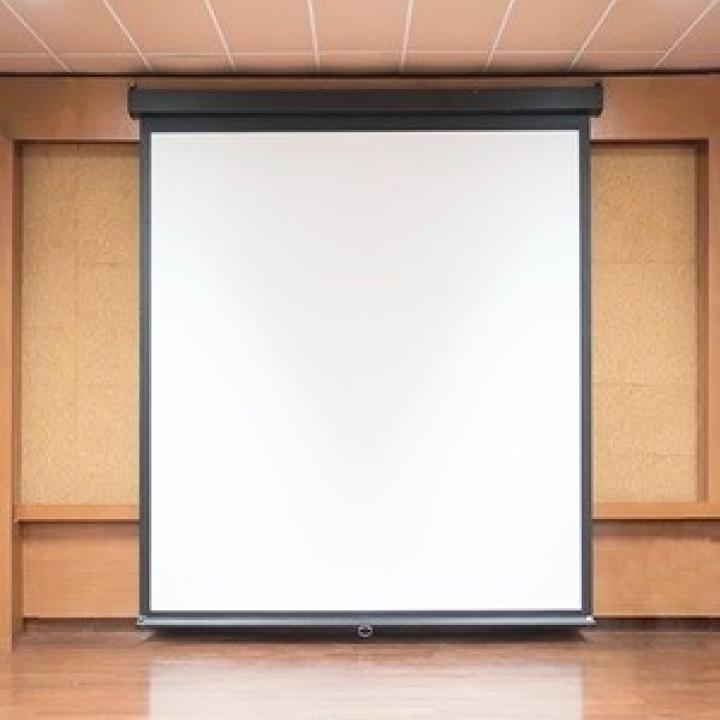
Motorized screens approach the challenge differently. They prioritize convenience and spatial flexibility by allowing the screen to retract into a housing when not in use. Modern designs include tensioning systems that minimize curling, but gravity-based deployment can still introduce slight surface variations over time. While high-end motorized models perform impressively, the mechanical nature of rolling and unrolling inevitably introduces more variables than a permanently stretched surface.
The tradeoff is not necessarily about quality versus compromise. It is about context. A dedicated theater room benefits from the uncompromising flatness of a fixed frame installation, while multipurpose rooms gain value from a screen that disappears when not needed. Midway through comparing options, many buyers realize that a fixed frame projection screen becomes the preferred choice when visual precision outweighs the need for concealment.
Key performance differences include:
-
Permanent tension versus retractable surface dynamics
-
Maximum flatness compared to mechanical tension systems
-
Theater->
-
Long-term structural stability versus moving components
-
Pure image consistency versus adaptive room design
Practical Use and Space Integration
Beyond image quality, everyday usability plays a major role in choosing between these two screen types. A fixed installation creates a visual focal point in the room. It signals that the space is dedicated to viewing, much like a traditional cinema. For enthusiasts who want a permanent entertainment environment, this aesthetic commitment enhances the overall experience. The screen becomes part of the architecture rather than an accessory.
Motorized screens, by contrast, are built for adaptability. They allow a single room to serve multiple purposes without visual clutter. With the press of a button, the screen lowers for a presentation or movie and retracts afterward to restore the room’s original appearance. This functionality is especially valuable in living rooms, offices, and shared spaces where design minimalism is important.
Convenience also extends to safety and maintenance. A retractable screen remains protected inside its casing when not in use, reducing exposure to dust, sunlight, and accidental damage. This protective feature can extend the lifespan of the surface, particularly in high-traffic environments. In comparison, a permanently mounted screen requires careful placement to avoid contact or environmental wear.
Later in the evaluation process, many users weigh how frequently they will deploy the system. In environments where the screen is used daily and stored afterward, a normal motorized projection screen aligns better with life>
Long-Term Value and Investment Perspective
Durability and maintenance influence the total cost of ownership more than the initial purchase price. Fixed frame systems contain fewer moving parts, which naturally reduces mechanical failure risk. Once installed, they require minimal upkeep beyond occasional cleaning. Their structural simplicity contributes to long service life and consistent performance year after year.
Motorized screens incorporate motors, rollers, and electronic controls. While modern engineering makes these components reliable, they still represent potential maintenance points over time. Proper installation and responsible use greatly reduce issues, but buyers should consider the long-term mechanical aspect when planning their investment.
Energy efficiency and integration with smart home systems also matter in modern installations. Motorized screens often support automation, allowing synchronization with lighting, projectors, and audio systems. This integration creates a seamless cinematic routine where the environment transforms automatically. Fixed installations focus less on automation and more on pure display performance, catering to viewers who prioritize image integrity over technological choreography.
Conclusion
The choice between fixed frame and motorized projection screens ultimately depends on how the space is used and what the viewer values most. Fixed systems excel in visual precision, structural stability, and cinematic authenticity. Motorized designs shine in flexibility, room integration, and everyday convenience. Neither option is universally superior; each serves a different purpose within modern viewing environments.
A dedicated theater thrives on permanence and performance, while multipurpose rooms benefit from adaptability and concealment. By aligning the screen type with real-world usage patterns, buyers ensure that their projection system delivers both technical excellence and practical satisfaction. The right decision transforms projection from a simple display method into a tailored visual experience that enhances every viewing moment.