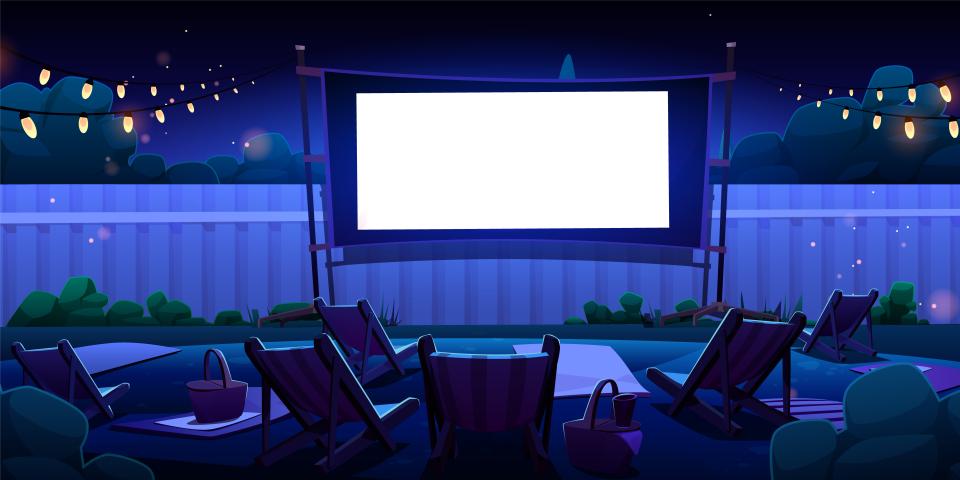
Choosing the right projection
screen can dramatically influence your viewing experience, whether you are
building a home theater, hosting presentations, or setting up an event space.
Many buyers focus heavily on projector specifications while underestimating how
much the screen affects brightness, clarity, and image consistency. The debate
between fast fold and fixed frame screens is not about which one is universally
better, but which one aligns best with your environment, usage habits, and
long-term expectations.
Both screen types are designed to
deliver high-quality visuals, but they approach the challenge from different
angles. One prioritizes portability and flexibility, while the other emphasizes
permanent stability and cinematic precision. Understanding how these
differences translate into real-world performance helps buyers avoid costly
mistakes and ensures that their investment supports their actual needs rather
than theoretical advantages.
A projection screen should be
treated as a structural component of your visual system, not an accessory. It
defines how light is reflected, how colors are perceived, and how immersive the
experience feels. Even the best projector cannot compensate for an unsuitable
screen. The decision between these two formats therefore becomes a strategic
choice that affects usability, convenience, and image fidelity over time.
Performance Differences and
Viewing Experience
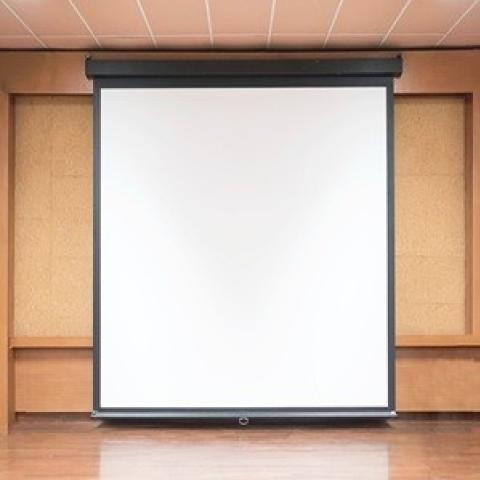
Fixed frame screens are
engineered for permanent installation and maximum surface stability. The screen
material is stretched across a rigid frame and held under constant tension.
This construction eliminates wrinkles, sagging, and surface distortion. The
result is a perfectly flat projection plane that preserves geometric accuracy
and ensures consistent brightness from edge to edge. For viewers who prioritize
cinematic precision, this tensioned structure creates a professional-grade
display that closely resembles commercial theater setups.
Because the surface never rolls
or folds, the material experiences minimal mechanical stress. This contributes
to long-term durability and consistent visual performance. Once installed, a
fixed frame screen becomes a focal point in the room, signaling that the space
is dedicated to viewing. It encourages a permanent theater mindset and supports
high-end projectors that demand a flawless surface.
Fast fold systems approach
performance through adaptability. They are designed for rapid assembly and
dismantling without sacrificing image quality. The frame locks together
quickly, and the screen material attaches securely to maintain tension. While
portable by nature, modern engineering allows these screens to remain
impressively flat during use. They are ideal for environments where the viewing
space changes frequently or where permanent installation is not practical.
In the middle of comparing
options, many buyers testing a fast
fold projection screen recognize how effectively it balances
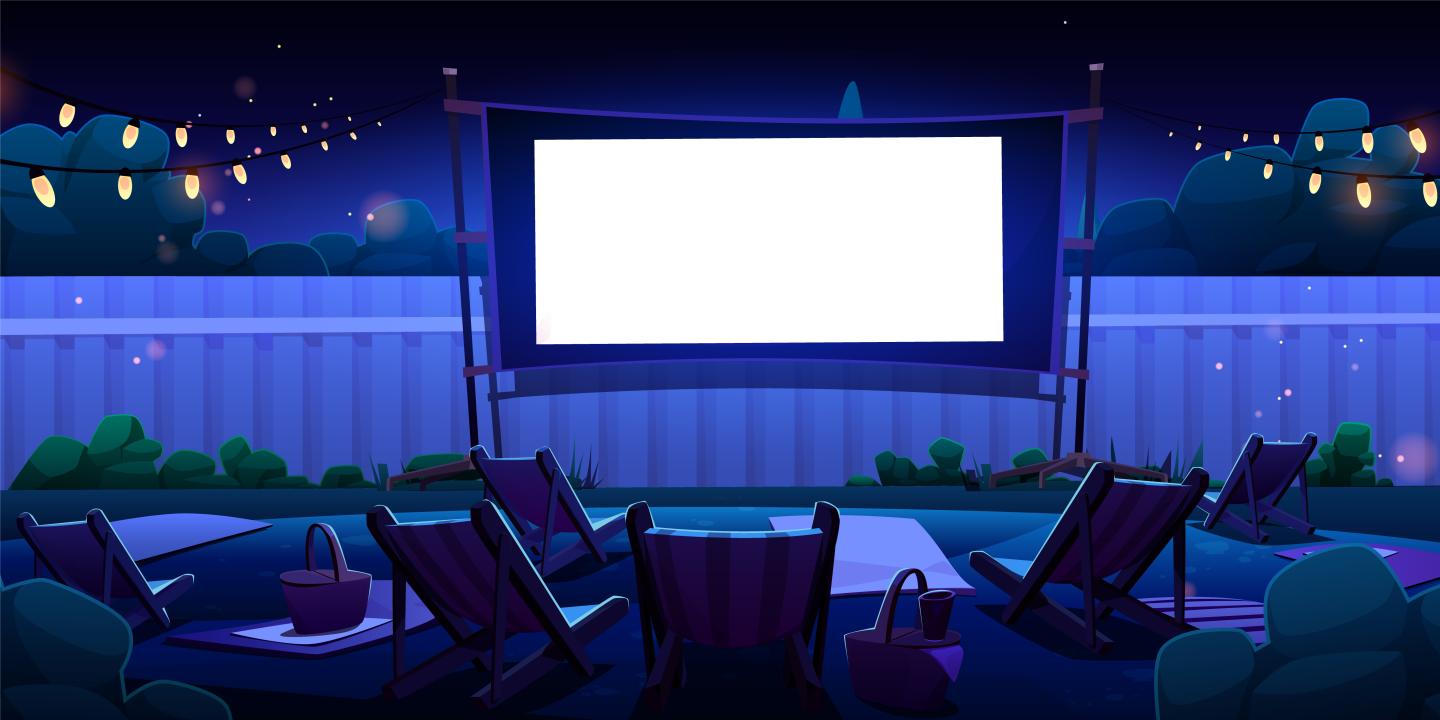
professional visuals with mobility. It allows users to create a large display
in minutes and store it compactly afterward. This flexibility is especially
valuable for event organizers, educators, and homeowners who want occasional
theater experiences without dedicating an entire room.
Key performance contrasts
include:
- Permanent tension versus quick-assembly
tension systems
- Dedicated installation versus portable
deployment
- Maximum structural rigidity versus adaptable
frame design
- Theater->
- Long-term stability versus repeatable setup
convenience
Practical Use, Space, and Life>
The environment in which the
screen will be used is often the deciding factor. Fixed frame installations
demand wall space and commitment. Once mounted, they are not meant to move.
This permanence suits dedicated home theaters, media rooms, and professional
studios where visual performance outweighs flexibility. The visual presence of
a fixed
frame screen also contributes to room identity, reinforcing a cinematic
atmosphere.
Portable designs serve a different life>
Convenience extends beyond
storage. Setup time matters in real-world use. A screen that requires
complicated assembly discourages frequent use, while a streamlined process
encourages spontaneous viewing. Fast fold designs are engineered for speed,
allowing one or two people to complete installation quickly without specialized
tools. This ease of operation transforms projection from a planned event into
an accessible activity.
Later in the decision process,
many buyers consult a projector screens supplier to evaluate durability, frame
materials, and surface coatings. The quality of components directly affects how
well the screen withstands repeated assembly or long-term mounting. A strong
frame, resilient fabric, and reliable locking system ensure that performance
remains stable over years of use.
Another practical factor is
transportation. Event professionals and educators often need equipment that
travels safely. Fast fold screens are designed with protective cases and
shock-resistant frames, making them suitable for frequent relocation. Fixed frame
systems, by contrast, are built to stay in place and excel when movement is
unnecessary.
Long-Term Investment Perspective
Cost should be evaluated in terms
of usage rather than initial price. A fixed installation offers exceptional
longevity and minimal maintenance, making it a strong investment for permanent
setups. Its simplicity reduces mechanical failure risk and preserves image
integrity over time. For dedicated viewing spaces, this reliability often
justifies the commitment.
Portable systems deliver value
through versatility. The ability to reuse the same screen across multiple
locations increases its functional return. For users who host events or
rearrange spaces frequently, mobility becomes a form of efficiency that offsets
the absence of permanence.
Future compatibility also
matters. As projectors improve in resolution and brightness, screen quality
becomes even more critical. Both screen types can support advanced technology,
but buyers should choose models built with high-performance materials that will
not become bottlenecks as equipment evolves.
Conclusion
The choice between fast fold and fixed frame screens is ultimately about aligning technology with life>
A dedicated space benefits from
the uncompromising flatness and stability of a fixed frame. A flexible
environment thrives on the portability and efficiency of a fast fold system.
When buyers evaluate how often they will move the screen, how the room is used,
and how important permanent aesthetics are, the correct decision becomes clear.
The best screen is the one that integrates seamlessly into daily life while
delivering the image quality that makes projection truly immersive.