AI adoption is accelerating across industries, from mining and finance to healthcare and government. However, not all AI service providers offer the same level of expertise or strategic depth. When exploring AI implementation in Australia, businesses must carefully evaluate what services are actually included.
This guide outlines what to look for in AI implementation services and why industry expertise—especially in areas like ai in healthcare australia—matters.
1. End-to-End AI Strategy Development
Quality AI implementation services begin with strategy. Providers should:
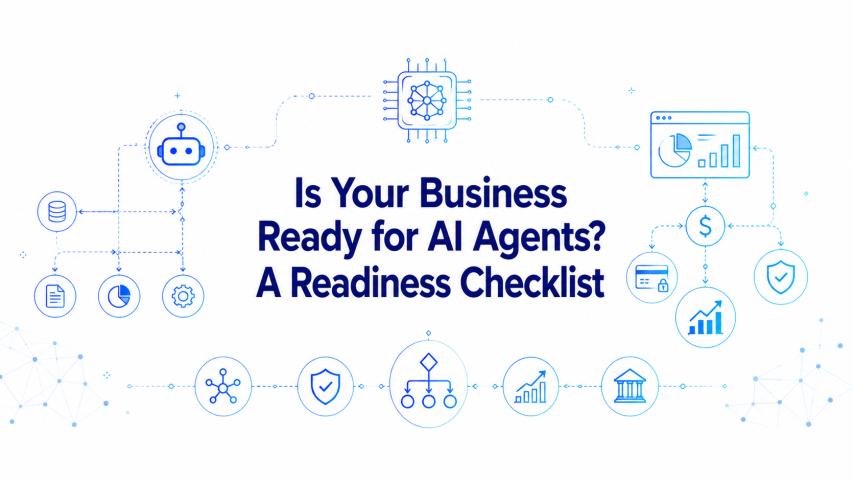
- Assess organisational readiness
- Identify high-impact AI use cases
- Conduct feasibility analysis
- Develop implementation roadmaps
Without a structured roadmap, AI implementation in Australia risks becoming a costly experiment rather than a transformation initiative.
2. Data Engineering and Preparation
Data is foundational. Look for providers that offer:
- Data cleaning and preprocessing
- Data labelling
- Infrastructure setup
- Data governance frameworks
In healthcare environments, ai in healthcare australia requires secure data pipelines that comply with national privacy regulations.
3. Custom Model Development
Avoid vendors who rely solely on generic AI APIs. Effective AI implementation services should include:
- Custom machine learning model development
- Deep learning and NLP solutions
- Computer vision systems
- Predictive analytics models
Customisation ensures AI systems align with business-specific requirements.
4. Cloud and Infrastructure Expertise
AI workloads require scalable infrastructure. Service providers should support:
- Cloud-native deployments
- Hybrid cloud environments
- Secure on-premise options
- MLOps frameworks
Modern AI implementation in Australia increasingly leverages cloud services for scalability and cost efficiency.
5. Compliance and Risk Management
Compliance is critical, especially in regulated sectors. Service providers must understand:
- Australian data protection laws
- AI risk assessment frameworks
- Ethical AI guidelines
- Security protocols
In the context of ai in healthcare australia, this includes managing sensitive patient data and clinical safety standards.
6. Integration Services
AI must integrate with:
- Enterprise systems
- Mobile applications
- IoT devices
- Legacy software
Seamless integration ensures operational efficiency and user adoption.
7. Change Management and Training
AI adoption often fails due to poor user engagement. Strong service providers offer:
- Staff training
- Change management programs
- Documentation and workshops
- Ongoing technical support
This is particularly important in healthcare settings, where clinicians must trust AI outputs.
8. Post-Deployment Optimisation
AI models require continuous monitoring and refinement. Providers should offer:
- Performance tracking
- Model retraining
- Data drift management
- Ongoing improvements
Sustainable AI implementation in Australia depends on long-term optimisation.
9. Proven Experience in Healthcare AI
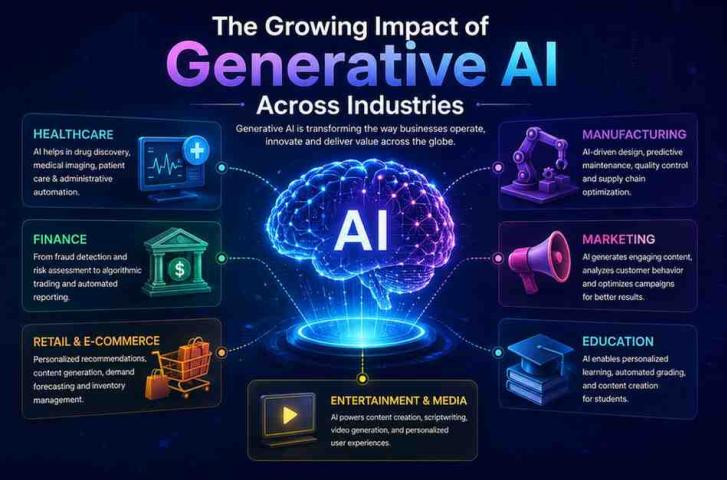
If operating in medical or health-tech sectors, ensure providers demonstrate expertise in ai in healthcare australia, including:
- Clinical decision support systems
- Medical imaging analysis
- Patient risk prediction
- Operational workflow automation
Healthcare AI requires precision, transparency, and compliance.
Conclusion
Choosing the right AI implementation services provider requires evaluating strategy, technical depth, compliance capabilities, and long-term support. Successful AI implementation in Australia is not just about deploying algorithms—it is about aligning AI with business goals while maintaining regulatory integrity.
Organisations that carefully assess these factors position themselves for sustainable AI-driven growth.