
Students exploring Interior Design Courses in Bangalore often feel overwhelmed because almost every institute claims to be the best. Websites, social media ads, and promotional campaigns promise great careers, placements, and creative success. But when someone seriously plans a future in interior design, the question becomes more practical: Which institute actually prepares students for real industry work and successful careers?
Interior design today is not limited to decorating homes. It involves technical planning, software expertise, client coordination, budgeting, material knowledge, and project execution. A professional interior designer must combine creativity with technical skills to deliver functional spaces. Therefore, the institute that leads interior design education is not the one with flashy marketing but the one that provides strong practical exposure and industry-focused training.
In Bangalore, where construction, real estate, startups, and renovation markets continue expanding, students need professional training that prepares them for real work situations. Institutes offering practical knowledge, internships, and career guidance stand ahead in this competitive learning environment.
What Makes an Interior Design Institute Stand Out?
Choosing the right institute goes beyond course duration or fees. A leading institute focuses on professional readiness rather than classroom theory alone. Students must gain skills required to handle live projects confidently.
The best interior design training environments typically offer:
- Practical training through real design projects
- Professional software learning and visualization skills
- Internship exposure for real site understanding
- Portfolio preparation support for interviews
- Placement assistance and career guidance
Institutes that provide these elements consistently help students enter professional careers successfully.
Bangalore’s Interior Design Market Is Expanding Rapidly
Bangalore continues to grow as India’s technology and real estate hub. New residential communities, commercial offices, retail spaces, cafes, and startups require professional interior planning. Renovation demand also continues increasing as homeowners upgrade living spaces.
Because of this rapid development, trained interior designers remain in steady demand across firms and consultancy services. Interior professionals find opportunities in residential design firms, commercial design companies, modular kitchen studios, furniture showrooms, and architectural consultancies.
Students joining professional programs connected to Interior Design Courses in Bangalore benefit from being in a city where learning opportunities and job openings exist simultaneously.
Why Practical Training Matters More Than Theory
Interior design students often assume creativity alone guarantees success. However, professional success depends on understanding how designs get executed on site.
Designers must prepare layout drawings, create 3D visualizations, select materials, coordinate with vendors, and supervise installations. Without exposure to these processes, graduates struggle when entering professional environments.
Practical training teaches students how real projects operate. Internship opportunities help learners understand project timelines, budgeting, vendor coordination, and client expectations.
Institutes focusing on practical exposure naturally produce job-ready graduates.
How Eduleem Emerges as a Leading Choice in Bangalore
Among the many institutes offering interior design education, Eduleem stands out because of its industry-focused training structure. Rather than limiting students to classroom learning, the institute prepares learners for professional work environments.
Eduleem’s 1-Year Diploma in Interior Design focuses on both creative and technical skills required in modern design careers. Students learn visualization software, layout planning, and presentation methods essential for professional work.
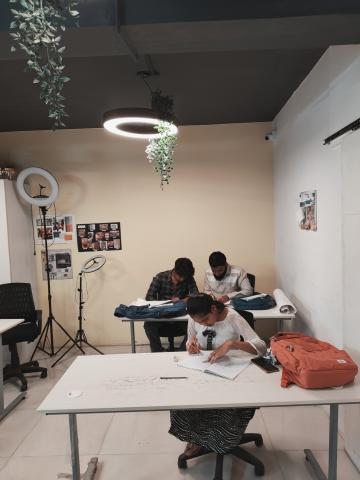
Practical project exposure forms a key component of the training. Students understand how designs move from concept to execution. Internship opportunities further allow learners to experience real project environments, helping them gain confidence before entering professional roles.
Portfolio development sessions help students prepare strong presentations for job interviews, improving placement chances.
Graduates complete training with practical knowledge required by professional firms.
Skills Students Develop During Training
Professional interior design education builds multiple competencies necessary for career success. Students gradually develop creative understanding along with technical expertise required for execution.
Skills typically developed include:
- Space planning and layout design
- Material and furniture selection knowledge
- Lighting and color coordination skills
- Visualization software understanding
- Client communication and presentation skills
These skills help graduates handle professional responsibilities confidently.
Career Opportunities After Completing Training
Graduates of professional programs typically begin careers in entry-level design roles that provide learning opportunities and growth potential.
Common starting roles include junior interior designer, design assistant, visualization assistant, or site coordinator. These positions help graduates understand professional workflows while gaining experience.
With experience, professionals move into senior design roles, project management positions, or independent consulting opportunities. Some designers later establish their own interior businesses or studios.
Placement serves as the foundation for long-term career growth.
How Placement Assistance Helps Students
Interior design placements differ from traditional corporate hiring. Employers usually look for practical capability rather than academic scores.
Placement assistance programs help students prepare resumes, portfolios, and interview strategies. Guidance in approaching firms and understanding hiring expectations improves placement success rates.
Institutes that actively support students during career transitions help learners enter professional roles faster.
Eduleem provides placement assistance and career guidance, helping graduates move confidently into professional environments.
Importance of Portfolio in Interior Design Careers
A strong portfolio remains one of the most important factors during hiring. Employers evaluate a candidate’s ability through visual project presentations rather than certificates.
Professional institutes guide students in creating project portfolios that demonstrate design thinking, layout planning, and visualization capabilities.
Portfolio preparation improves job prospects significantly.
How Students Can Prepare for Successful Careers
Students serious about interior design careers should actively participate in practical learning, visit furniture showrooms, study material markets, and observe real project executions.
Learning continuously, staying updated with design trends, and practicing software skills improve professional confidence.
Career success depends on both learning and consistent practice.
Which Institute Truly Leads Interior Design Training?
The institute leading interior design education is not determined by advertising claims but by student outcomes. Training quality, practical exposure, internship opportunities, and placement support define professional readiness.
Students planning careers in creative industries often explore structured programs connected to an interior designing course that builds both creative and technical understanding required for professional success. Institutes like Eduleem help learners prepare for industry opportunities through practical training environments aligned with professional expectations offered in leading Interior Design Courses in Bangalore programs that focus on career readiness and execution knowledge required in modern interior design careers.
Frequently Asked Questions
- Which institute is best for interior design courses in Bangalore?
Institutes offering practical training, internships, and placement support provide better career opportunities. - Does interior design education guarantee placement?
Placement depends on student skills and portfolio strength, but professional training improves opportunities. - What salary can fresh interior designers expect?
Fresh designers typically earn between ₹15,000 and ₹25,000 per month initially. - Is internship important in interior design courses?
Yes, internship exposure helps students understand real project execution. - Does Eduleem provide placement assistance?
Yes, Eduleem supports students with placement guidance and career preparation.
For More Details
Visit: Eduleem School of Design — Interior and Fashion
Website: www.eduleem.com
Email: info@eduleem.com
Contact: +91 96064 57497
Address: 1st Floor, Left Wing, Sharanya Sagar Building, Outer Ring Rd, HSR Layout, Bengaluru, Karnataka 560102