Explore why rules-based automation alone cannot address the complexity of modern insurance underwriting. This article explains how advanced underwriting software combines straight-through processing, AI-driven risk assessment, explainable exceptions, and human..
How do carriers spot suspicious patterns among thousands of applications? Identifying fraud and emerging risks challenges even experienced underwriters when reviewing applications manually. Traditional detection methods rely on individual experience..
As lending operations grow, underwriting becomes harder to manage through manual reviews alone. Financial companies need faster decisions, more consistency, and better control over approval workflows. That is why more..
Explore the fundamentals of AI-enabled insurance underwriting software and its growing role in modernizing underwriting operations. Gain a clear understanding of its core capabilities, including data-driven risk assessment, automated decision-making,..
The unified architecture of modern underwriting platforms transforms isolated data into actionable business insights. Insurance organizations who implement insurance underwriting software gain the capability to deliver personalized services that align..
Extended application processing times create friction for customers and brokers. Manual underwriting workflows often require days or weeks to complete standard applications. Lengthy processing times impact customer satisfaction and create..
Modern insurance underwriting software is a digital platform that automates and enhances insurance application evaluation. These platforms integrate data management, workflow automation, and analytics capabilities into unified systems. Insurance underwriting..
Insurance underwriting continues evolving toward human-AI collaboration models. Companies adopting this approach will deliver faster service while maintaining decision accuracy and customer personalization. Underwriters can focus on complex risk evaluation..
The complexity of integrating analytics platforms with existing systems, training staff on new workflows, and ensuring compliance with regulatory requirements presents significant challenges. That’s why partnering with InsurTech service providers..
Hiring an in-house team and outsourcing your CRM build aren't two versions of the same decision. They're different bets, with different payoffs and different ways things go wrong.If you're comparing..
Most chats about AI costs start with GPU prices and end with model licensing fees. That's a Silicon Valley conversation. It misses almost everything that matters once you cross into..
Starting a business requires more than a great idea. As startups grow, managing operations, customer relationships, finances, inventory, and team collaboration becomes increasingly complex. Many growing companies struggle with disconnected..
A camera pointed at a busy hospital corridor captures thousands of frames per minute. Each frame contains information, how many people are in the corridor, whether a patient is moving..
Hiring the right development team can significantly impact the success, speed, and scalability of a software project. While businesses can choose between freelancers, in-house developers, outsourcing companies, and staff augmentation,..
Choosing a programming language is rarely a simple technical preference. It shapes hiring, maintenance costs, performance, security, and how easily a product can evolve. Businesses planning custom systems need to..
Regulatory compliance has become a business
priority rather than just a legal requirement. Organizations today operate
under an increasing number of industry regulations, data privacy laws,
cybersecurity standards, and internal..
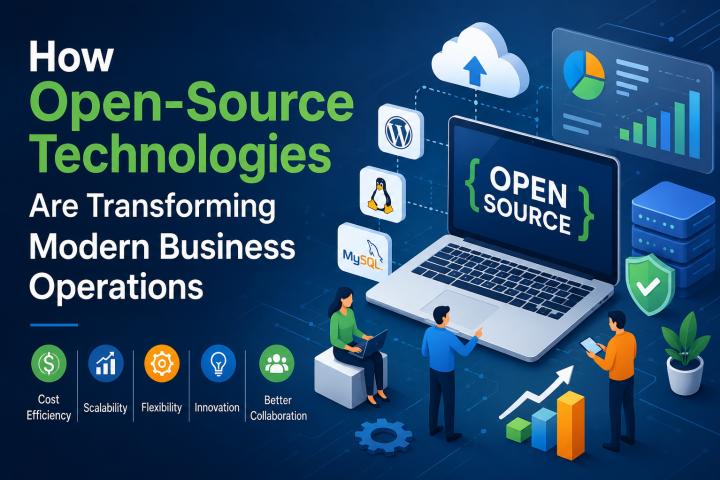
Businesses across industries are embracing digital transformation to stay competitive, improve customer experiences, and optimize operations. As organizations seek scalable and cost-effective technology solutions, open-source software has emerged as a..
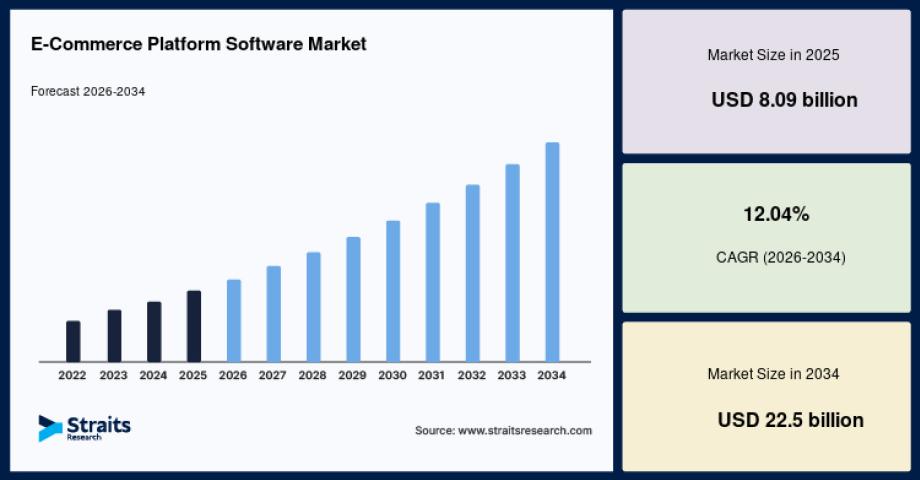
The global e-commerce platform software market size was valued at USD 8.09 billion in 2025 and is projected to grow from USD 9.06 billion in 2026 to USD 22.5 billion..