Businesses across industries are embracing digital transformation to stay competitive, improve customer experiences, and optimize operations. As organizations seek scalable and cost-effective technology solutions, open-source software has emerged as a preferred choice. Its flexibility, transparency, and strong community support make it an ideal foundation for modern digital initiatives.
Open-source technologies are no longer limited to small projects or startups. Today, they power enterprise applications, eCommerce platforms, cloud environments, content management systems, and even artificial intelligence solutions. By leveraging open-source software, businesses can innovate faster while maintaining greater control over their technology infrastructure.
Understanding Open-Source Software
Open-source software is software whose source code is publicly available for anyone to inspect, modify, and distribute. Unlike proprietary software, open-source solutions encourage collaboration among developers worldwide, resulting in continuous improvements and innovation.
Organizations can customize these solutions according to their specific requirements without being restricted by vendor limitations. This flexibility has made open-source software an essential component of modern business technology strategies.
Why Businesses Are Choosing Open-Source Technologies
The growing adoption of open-source technologies is driven by several business advantages. Companies are increasingly looking for solutions that offer both affordability and scalability without compromising performance.
Cost Efficiency
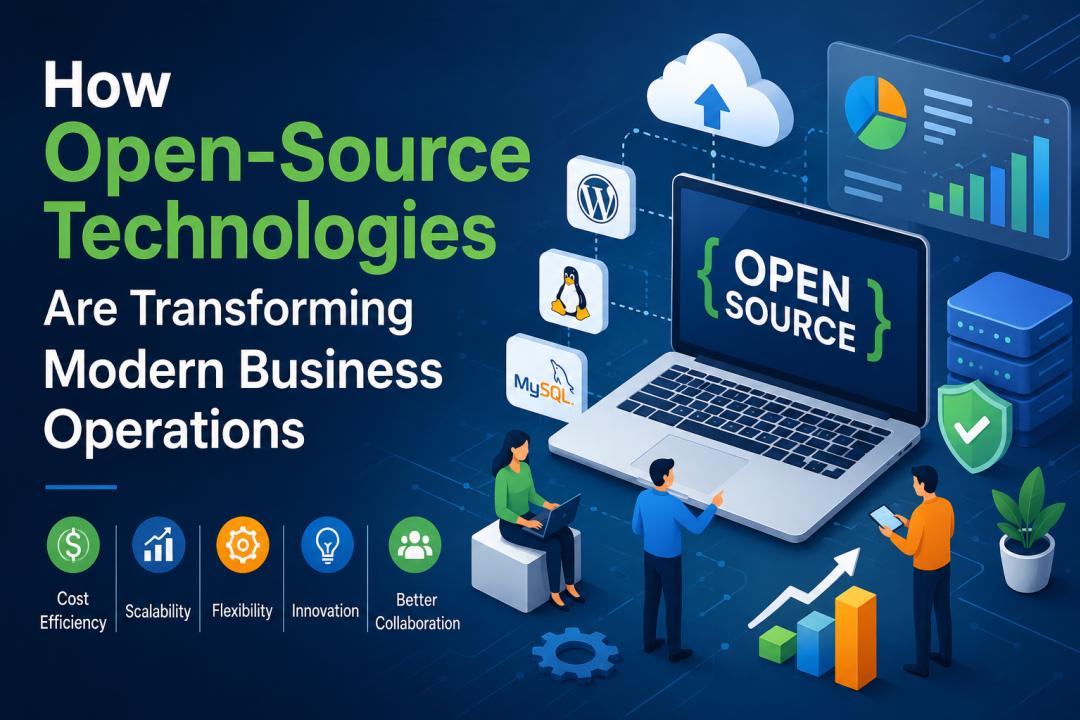
One of the biggest benefits of open-source software is cost savings. Since businesses are not required to pay expensive licensing fees, they can invest more resources into innovation, development, and growth initiatives.
Greater Flexibility
Open-source platforms provide complete access to the source code, allowing organizations to customize applications based on their unique workflows and business goals. This level of flexibility is difficult to achieve with proprietary software solutions.
Improved Innovation
The collaborative nature of open-source communities accelerates innovation. Thousands of developers contribute improvements, plugins, integrations, and security enhancements that benefit businesses worldwide.
The Role of an Open-Source Development Partner
While open-source software provides tremendous opportunities, successful implementation often requires technical expertise. Organizations frequently work with an experienced open source development company to build customized solutions, integrate systems, and ensure long-term scalability.
Professional development teams help businesses select the right technologies, create tailored applications, and maintain software performance over time. This partnership enables companies to maximize the value of their open-source investments while reducing implementation risks.
Open Source and Cloud Technologies: A Powerful Combination
Modern organizations increasingly rely on cloud infrastructure to support growth and operational efficiency. Open-source technologies and cloud computing complement each other exceptionally well, creating a flexible and scalable technology ecosystem.
Businesses that adopt cloud-based business operations can streamline workflows, improve collaboration, and access resources on demand. Cloud environments enable organizations to deploy applications faster while reducing hardware and maintenance costs.
Benefits of Cloud-Powered Open-Source Solutions
Enhanced Scalability
Organizations can quickly scale resources based on changing business requirements without major infrastructure investments.
Better Collaboration
Cloud platforms allow employees, partners, and stakeholders to access applications and data from virtually anywhere, supporting remote and hybrid work models.
Business Continuity
Cloud-based deployments provide greater resilience through automated backups, disaster recovery options, and distributed infrastructure.
Security and Reliability in Open-Source Software
A common misconception is that open-source software is less secure than proprietary alternatives. In reality, open-source projects often benefit from extensive security reviews conducted by global developer communities.
Because the source code is publicly available, vulnerabilities can be identified and addressed quickly. This transparency helps businesses maintain secure systems while benefiting from ongoing improvements.
Learning More About Open-Source Software
Organizations considering open-source adoption should invest time in understanding the principles, benefits, and best practices associated with these technologies. A trusted technology resource can provide valuable insights into the evolution of open-source software and its growing role in the modern technology landscape.
Understanding the fundamentals helps decision-makers choose appropriate solutions and develop effective implementation strategies.
The Future of Open-Source Development
Open-source software continues to influence emerging technologies such as artificial intelligence, machine learning, cybersecurity, cloud computing, and the Internet of Things. As digital transformation accelerates, open-source solutions will play an even greater role in helping businesses remain agile and innovative.
Companies that embrace open-source technologies today position themselves for long-term success by gaining access to scalable, customizable, and future-ready solutions.
Conclusion
Open-source software has transformed the way businesses develop, deploy, and manage technology solutions. From reducing costs and increasing flexibility to supporting innovation and cloud adoption, open-source technologies offer significant advantages for organizations of all sizes.
By partnering with the right experts, leveraging cloud infrastructure, and staying informed through reliable resources, businesses can unlock the full potential of open-source development and build a strong foundation for sustainable growth in the digital era.
FAQs
1. What is open-source software?
Open-source software is software with publicly accessible source code that can be modified, distributed, and improved by developers.
2. Why is open-source software popular among businesses?
It offers cost savings, flexibility, customization, transparency, and strong community support.
3. How does cloud computing complement open-source technologies?
Cloud platforms provide scalability, accessibility, and infrastructure flexibility that enhance the benefits of open-source solutions.
4. Is open-source software suitable for enterprise-level applications?
Yes. Many enterprises use open-source technologies to build secure, scalable, and high-performance applications.
5. What industries benefit from open-source development?
Virtually all industries, including healthcare, finance, retail, education, manufacturing, and technology, benefit from open-source solutions.