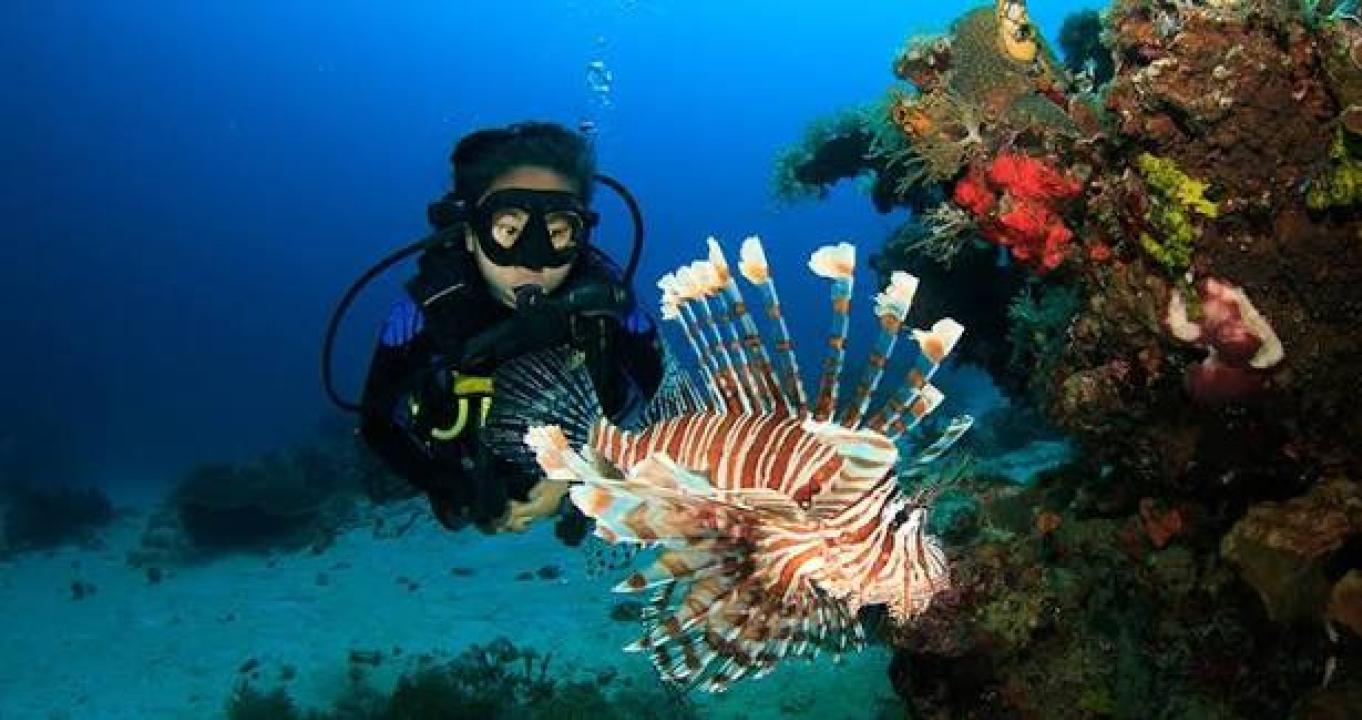
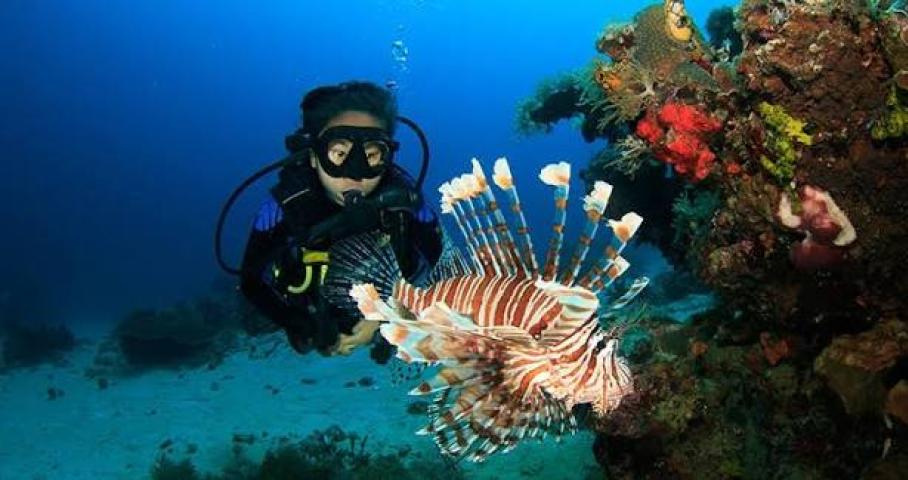
PADI Open Water Diver Course in Andaman is an entry-level scuba certification pathway designed for people who want to learn how to dive within the limits of their training. The course combines academic learning, confined-water practice and open-water dives, allowing beginners to build knowledge and practical skills step by step.
What Is the PADI Open Water Diver Course?
The PADI Open Water Diver course is a full beginner-level scuba certification program. No previous scuba certification is required to start, although participants need to meet the course's age, swimming, health and other applicable requirements. PADI describes the course as having three main phases: knowledge development, confined-water training and open-water dives. Successful completion leads to an Open Water Diver certification that is recognized internationally.
The course is different from a one-time introductory scuba experience. An introductory dive allows a person to experience breathing underwater under close supervision, while an Open Water certification involves structured learning and skills assessment.
Who Can Join the Course?
The PADI Open Water Diver Course in Andaman can be suitable for beginners who meet the relevant course requirements. PADI's published materials state that the minimum enrollment age is 10. Divers aged 10 to 14 receive Junior Open Water Diver certification, with additional age-related supervision and depth limitations. At age 15, the certification becomes Open Water Diver under PADI's stated system.
Participants should also be comfortable in the water and capable of completing the required swimming and floating assessments. Current PADI course listings commonly specify the ability to swim 200 metres without stopping and float for 10 minutes, although exact requirements and medical procedures should be confirmed with the instructor or dive centre before training.
How Does the Training Progress?
A PADI Open Water Diver Course in Andaman normally follows a structured progression rather than taking beginners directly into deeper ocean water. Each stage prepares the diver for the next one.
1. Knowledge Development
The first stage introduces the principles behind scuba diving. Students learn about pressure, buoyancy, breathing techniques, equipment, dive planning, communication and basic safety procedures. Knowledge development may be completed through PADI eLearning or another approved learning format, depending on the course arrangement.
Understanding the theory is important because underwater decisions need to be made calmly and correctly. Topics such as equalization, air management, buoyancy and emergency procedures become practical skills later in the course.
2. Confined-Water Practice
The next stage takes place in a swimming pool or an area with pool-like conditions. Here, beginners become familiar with scuba equipment and practise essential skills under direct instructor supervision.
Skills can include assembling and checking equipment, regulator use, mask clearing, buoyancy control, controlled ascents and descents, underwater communication and responses to common problems. The purpose is not simply to complete a checklist but to develop comfort and control before progressing to open water.
3. Open-Water Dives
After the required preparation, students complete four open-water training dives under instructor supervision. PADI's course standards identify Open Water Dives 1 through 4 as part of the certification requirements, with depth limits and other standards applied during training.
During these dives, students demonstrate the skills practised in confined water while adapting to actual underwater conditions. The emphasis remains on controlled, safe diving.
What Skills Do Beginners Learn?
The PADI Open Water Diver Course in Andaman covers a broad range of practical abilities. Buoyancy control is one of the most important because maintaining a stable position helps divers conserve air, avoid unnecessary contact with the seabed and move efficiently.
Students also learn how to use core scuba equipment, communicate with hand signals, monitor their air supply and manage basic underwater situations. Mask and regulator skills are particularly important because divers must know how to respond if water enters the mask or the regulator is temporarily removed.
Other training areas include entry and exit techniques, basic navigation, controlled ascents, surface procedures and emergency responses. The exact skills and sequence are governed by the applicable PADI course standards and the instructor's training plan.
How Long Does the Course Take?
The duration of the PADI Open Water Diver Course in Andaman depends on the learning format, weather, sea conditions, student progress and the schedule of the training centre. PADI materials indicate that the complete course commonly takes around five days or about 30 hours for many students, including home study, although individual course schedules can differ.
Completing theory through eLearning can change how time is distributed during the in-person portion. Students should still allow enough time for confined-water practice, open-water dives, rest and instructor briefings.
It is also sensible to avoid planning important travel immediately after the final dive. Dive planning should take account of surface intervals and applicable safety recommendations.
What Equipment Is Used During Training?
Students normally learn to use a complete recreational scuba setup. Common equipment includes a mask, snorkel, fins, buoyancy control device, regulator, cylinder, weights and a dive computer. Depending on the location and conditions, exposure protection such as a wetsuit may also be used.
Students should become familiar with equipment checks before entering the water. Learning how each item works helps divers understand how their equipment supports breathing, buoyancy and underwater control. PADI course listings commonly include equipment such as BCDs, regulators, masks, fins, weights and dive computers, although the exact equipment provided varies by dive centre.
Why Is Confined-Water Training Important?
Confined-water training creates a controlled environment where beginners can practise unfamiliar skills before applying them in the ocean. A new diver may understand a technique in theory but still need repetition to perform it comfortably underwater.
This stage also helps instructors identify areas where a student needs more practice. Building skills gradually can reduce unnecessary stress and help students concentrate on breathing, buoyancy, communication and situational awareness during later dives.
What Happens When You Complete the Course?
After all required knowledge development, water skills and open-water training have been completed successfully, the instructor can certify the student as a PADI Open Water Diver. The certification allows recreational diving within the limits of the certification, training, experience and applicable local rules.
PADI states that Open Water Diver certification is recognized worldwide. However, certification does not mean that a diver is automatically prepared for every type of diving. Activities involving greater depth, strong currents, night conditions, wrecks or specialized environments may require additional training and experience.
Planning Your Course in Andaman
Before beginning the course, consider the amount of time available for training rather than choosing a schedule based only on sightseeing plans. Weather and sea conditions can affect open-water training, so some flexibility is useful.
Ask the training centre about the course schedule, instructor qualifications, equipment arrangements, learning materials, medical requirements, certification process and what is included in the course. It is also useful to confirm whether theory is completed online or in person.
The PADI Open Water Diver Course in Andaman should be approached as a structured learning program rather than simply another holiday activity. Beginners who give adequate time to theory, skills practice and instructor feedback can develop a stronger foundation for future recreational diving.
From First Lesson to Certified Diver
The journey from a first underwater breathing experience to certification involves several stages. Students first learn the principles of scuba diving, then practise essential skills in controlled conditions before applying those skills during open-water dives. Each stage builds on the previous one.
For beginners, the PADI Open Water Diver Course in Andaman provides a structured route into recreational scuba diving while introducing the responsibilities that come with being a certified diver. The most important outcome is not simply receiving a certification card, but developing the knowledge, skills and awareness needed to make sensible diving decisions within personal training and experience limits.