Water damage can affect far more than the surface of a home. When unwanted water enters a property, it can come into contact with drywall, flooring, wood framing, insulation, cabinets, ceilings, subfloors, and other building materials. Each material responds differently depending on the amount of water, the length of exposure, the source of the water, and the conditions inside the property.
For homeowners considering water damage repairs in Mobile AL, understanding these differences can make it easier to recognize potential problems and understand why some materials may be dried and restored while others may require repair or replacement.
Water damage also does not always remain in the area where it first appears. Moisture can move beneath floors, behind walls, through ceilings, and into concealed spaces. A small stain or wet spot may therefore require more investigation before permanent repairs begin.
Why Different Building Materials Respond Differently to Water
Not all building materials absorb or react to water in the same way.
Some materials are relatively resistant to short-term moisture exposure, while others can absorb water quickly. Porous materials may retain moisture after visible water has disappeared, while wood products can swell or change shape.
Several factors influence the severity of damage:
- Type of building material
- Amount of water involved
- Length of exposure
- Temperature and humidity
- Source and condition of the water
- Whether moisture reached concealed areas
- Condition of the material before the incident
- How quickly the water source was controlled
Because of these variables, there is no universal rule that every water-damaged material must be replaced.
How Water Affects Drywall
Drywall is commonly used for interior walls and ceilings, but it can absorb water.
When exposed to moisture, drywall may develop:
- Staining
- Swelling
- Soft areas
- Peeling finishes
- Discoloration
- Deterioration
The extent of the damage depends on how much water reached the material and how long it remained exposed.
A small area of moisture does not automatically mean an entire wall needs to be removed. However, damaged drywall should not simply be painted over before the source of the moisture has been addressed.
Why Hidden Moisture Matters
Water can enter the space behind drywall. This means the visible surface may not provide a complete picture of what is happening inside the wall.
If a plumbing leak occurred inside a wall, for example, moisture may have affected insulation, framing, or other materials behind the drywall.
This is why evaluating the surrounding area can be important before completing permanent repairs.
How Water Affects Wood Flooring
Wood flooring can react significantly to moisture because wood absorbs water.
Depending on the circumstances, water exposure may cause:
- Swelling
- Cupping
- Crowning
- Warping
- Buckling
- Finish damage
- Gaps between boards
The longer wood remains exposed to moisture, the greater the possibility of changes to its condition.
However, visible changes do not automatically mean that all wood flooring must be replaced.
The condition of the flooring, the type of wood, the amount of moisture, and whether the water reached the material underneath should all be considered.
How Water Affects Subfloors
The finished floor is not the only part of a flooring system that can be affected.
Water can move through gaps, seams, damaged flooring, or edges and reach the subfloor underneath.
Subfloors may be made from materials such as plywood or other wood-based products. Prolonged moisture exposure can cause swelling, deterioration, or loss of material integrity.
Possible warning signs include:
- Soft spots
- Uneven areas
- Floor movement
- Swelling
- Buckling
- Persistent dampness
Replacing the visible flooring without evaluating the subfloor may leave part of the problem unresolved.
This is especially important when water has been present for an extended period.
How Water Affects Carpet and Underlayment
Carpet can absorb and retain water, while padding and underlayment beneath the carpet may also become wet.
The appropriate response depends heavily on the source and condition of the water.
Important considerations include:
- Whether the water was clean or contaminated
- How long the carpet remained wet
- How much of the carpet was affected
- Whether the padding became saturated
- Whether the underlying floor was affected
- Whether the materials can be appropriately cleaned and dried
A small clean-water incident discovered quickly may have a different restoration approach from a long-standing leak or contaminated water event.
How Water Affects Insulation
Insulation can be overlooked because it is often hidden inside walls, ceilings, and attics.
If water enters these areas, insulation may become wet and retain moisture.
The appropriate response depends on:
- Insulation type
- Amount of water
- Duration of exposure
- Source of the water
- Degree of saturation
- Ability to properly dry the material
- Whether contamination is present
Some insulation may be capable of being dried under appropriate conditions, while other situations may require removal.
This is one reason why simply drying the visible surface of a wall or ceiling may not be enough.
How Water Affects Cabinets and Woodwork
Kitchen cabinets, bathroom cabinets, trim, doors, and other wood-based components can be affected by water.
Potential signs include:
- Swelling
- Warping
- Discoloration
- Delamination
- Damaged finishes
- Changes in doors or drawers
Cabinet damage can sometimes be limited to a specific section rather than the entire installation.
For example, a leaking supply line beneath a sink may affect the cabinet base while leaving surrounding cabinets relatively unaffected.
A careful assessment can help determine which components have actually been damaged.
How Water Affects Ceilings
Ceilings can be affected by roof leaks, plumbing failures, HVAC-related problems, and other sources of water intrusion.
Common signs include:
- Brown or yellow stains
- Peeling paint
- Bubbling finishes
- Sagging
- Soft areas
- Cracking
- Visible dripping
A ceiling stain should not automatically be treated as a surface-level problem.
Water may have traveled through an attic or ceiling cavity before becoming visible. Insulation, framing, wiring, and other components may therefore need to be considered depending on the circumstances.
How Water Can Affect Wood Framing
Wood framing can include:
- Wall studs
- Floor joists
- Beams
- Posts
- Roof framing
These components are important because they contribute to the structure of a building.
Water exposure does not automatically mean that structural framing has been damaged. The actual condition of the wood needs to be evaluated.
Prolonged moisture can contribute to deterioration, particularly when water intrusion continues without being corrected.
Signs that may justify additional evaluation include:
- Visible deterioration
- Persistent moisture
- Significant discoloration
- Soft or weakened wood
- Sagging floors
- Damaged framing
- Unusual movement
When structural integrity is uncertain, an appropriately qualified professional should determine whether repair, reinforcement, or replacement is necessary.
Water Damage Behind Walls
One of the most difficult aspects of water damage is that walls can conceal affected materials.
A plumbing leak may follow this path:
Pipe → wall cavity → insulation → drywall → flooring
A roof leak may follow another:
Roof → attic → insulation → ceiling → wall
The original source may be relatively small while the affected area becomes much larger.
This is why visible damage should be treated as a starting point rather than automatically considered the full extent of the problem.
How Mobile's Climate Can Affect Water Damage
Mobile, Alabama, experiences a warm, humid climate with substantial rainfall and occasional severe weather.
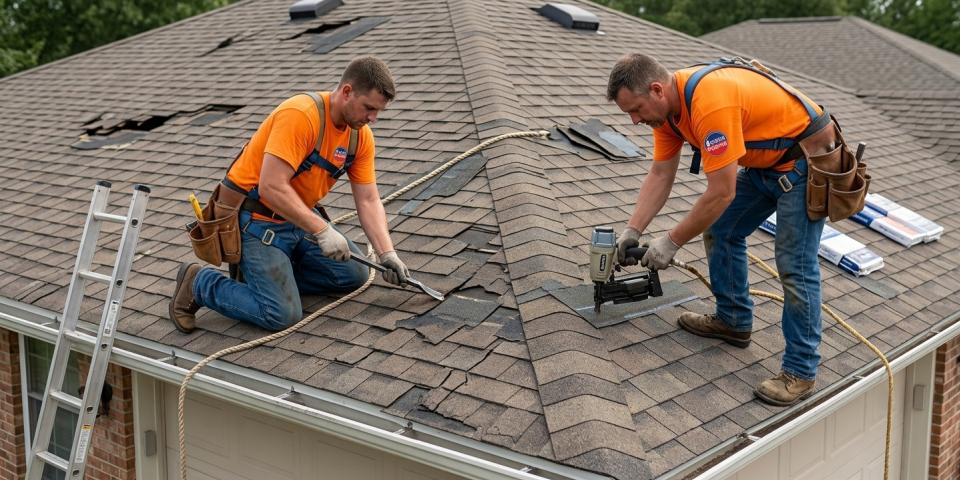
Heavy rain, tropical storms, hurricanes, and wind-driven rain can create opportunities for water intrusion through roofs, windows, doors, exterior walls, and other vulnerable areas.
Humidity can also make moisture management more important after a water event.
For homeowners in Mobile, water damage may result from both interior failures and weather-related intrusion, including:
- Plumbing leaks
- Burst pipes
- Appliance failures
- Water heater leaks
- Roof damage
- Storm-related intrusion
- Drainage problems
- Window or door leaks
The cause of the water matters because it can influence how affected materials should be evaluated and restored.
Water Removal Does Not Mean Every Material Is Restored
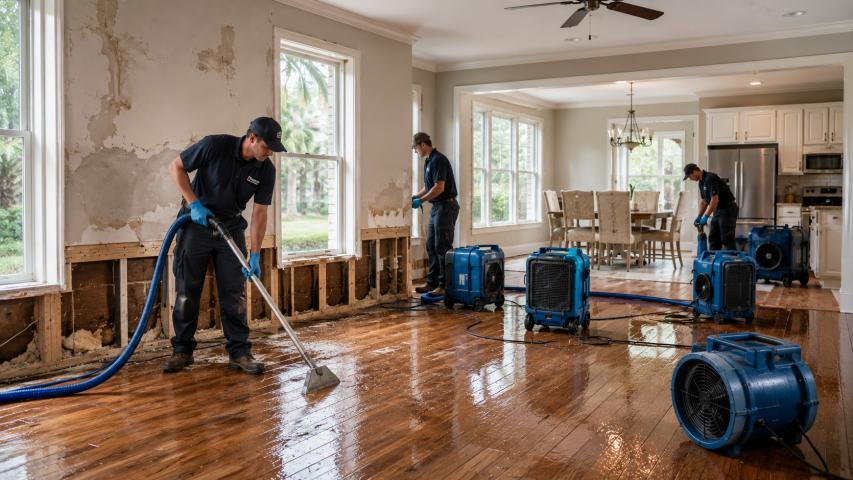
Removing standing water is an important part of responding to water damage, but it is only one part of the overall process.
A floor may appear dry while moisture remains underneath it.
Similarly, drywall may feel dry on the surface while moisture remains within or behind the wall assembly.
Restoration may therefore involve:
- Identifying the water source
- Controlling the source
- Assessing affected areas
- Removing excess water
- Drying affected materials
- Evaluating material condition
- Determining what can be restored
- Repairing or replacing damaged components
- Restoring the finished space
The EPA recommends drying wet or damp materials within 24–48 hours when possible to help reduce mold growth potential.
How Professionals Decide Between Repair and Replacement
A common misconception is that every material exposed to water needs to be thrown away.
That is not necessarily the case.
A repair or replacement decision can depend on:
- Material type
- Severity of damage
- Length of water exposure
- Water source
- Contamination
- Physical condition
- Ability to dry the material
- Whether the material has lost its intended function
For example, a material that experienced brief exposure to clean water may have a different outcome from one that remained saturated for an extended period.
The goal is to determine the actual condition of the material rather than automatically choosing replacement.
Common Mistakes After Water Damage
Repairing Only What Is Visible
A ceiling stain or warped floor may be connected to moisture elsewhere.
Painting Over Stains
Paint may cover discoloration temporarily but does not solve an active moisture problem.
Ignoring the Subfloor
Water beneath finished flooring can continue affecting the flooring system even after the surface appears dry.
Assuming All Wet Materials Must Be Replaced
Some materials may be capable of appropriate drying and restoration.
Assuming All Wet Materials Can Be Saved
The opposite mistake is also possible. Materials that have deteriorated significantly may require replacement.
Delaying Moisture Assessment
The longer moisture remains uncontrolled, the more difficult the restoration process may become.
When Should a Property Be Professionally Evaluated?
Professional evaluation may be appropriate when:
- Water has entered walls or ceilings
- Flooring has become saturated
- The subfloor may be affected
- Water has entered an attic or crawl space
- Structural wood may have been exposed
- The source of water is unknown
- Water remains after initial cleanup
- The water may be contaminated
- Storm damage has caused water intrusion
- The affected area is extensive
Homeowners should also avoid entering areas where electrical hazards, unstable ceilings, weakened floors, or other safety concerns may exist.
Frequently Asked Questions
Does water damage always require replacement?
No. The appropriate solution depends on the material, source of water, duration of exposure, and condition of the material.
Can water damage affect structural components?
Yes, prolonged or significant moisture exposure can affect structural wood components. However, water exposure alone does not prove that structural damage has occurred.
Can flooring look fine while the subfloor is damaged?
Yes. Moisture can move beneath finished flooring and affect the materials underneath.
Can drywall be repaired after water damage?
In some situations, affected drywall may be repairable or restorable. The condition and extent of exposure should be evaluated before deciding.
Can cabinets be restored after water exposure?
Possibly. The outcome depends on the type of cabinet material, degree of swelling or deterioration, and length of exposure.
Why is finding the source important?
If the source continues to introduce water, newly repaired materials can become damaged again.
Does Mobile's weather increase water intrusion concerns?
Heavy rainfall and severe weather can create additional opportunities for water to enter through roofs and other exterior components, making moisture management an important consideration for local property owners.
Final Takeaway
Water damage does not affect every building material in the same way.
Drywall may swell, wood flooring may warp, subfloors may deteriorate, insulation may retain moisture, cabinets may swell, and structural wood may require additional evaluation when significant or prolonged exposure occurs.
For homeowners considering water damage repairs in Mobile AL, understanding the materials involved is an important part of understanding the repair process.
The right approach is not simply to remove everything that became wet or repair only what can be seen. Instead, the property should be evaluated based on the source of the water, extent of exposure, materials affected, remaining moisture, and actual condition of those materials.
A practical approach is:
Identify the source → assess the affected materials → address remaining moisture → determine what can be restored → repair or replace damaged components → restore the property.
Taking this approach can help property owners make informed repair decisions while reducing the risk of overlooking hidden damage.
Also Read:
Fire Damage Repairs in Mobile AL: Understanding the Fire Damage Restoration Process
Termite Repair Contractors: What to Know About Termite Damage Repair Services