Water damage is one of the most common and costly problems homeowners face. Whether it's caused by a burst pipe, severe storm, roof leak, overflowing appliance, or plumbing failure, water can spread through a home in a matter of minutes. While the immediate damage is often obvious, the long-term effects are frequently hidden behind walls, beneath flooring, inside crawl spaces, and within structural framing.
Many homeowners assume that water damage restoration simply involves removing standing water and drying the affected area. In reality, professional restoration is a much more comprehensive process. If moisture isn't completely removed or damaged building materials aren't properly repaired, problems such as mold growth, wood rot, weakened framing, and even foundation-related issues can develop over time.
This is why Water Damage Restoration Mobile services play such an important role in protecting residential properties throughout the Gulf Coast. Professional restoration specialists don't just clean up the damage—they identify hidden moisture, dry structural materials, evaluate affected building components, and recommend the repairs needed to restore the home's safety and long-term stability.
In many situations, restoration is only the first phase of recovery. Once the property is dry, homeowners may also require Water Damage Repairs Mobile AL, including drywall replacement, flooring repairs, subfloor restoration, or even Foundation and Structural Repairs in AL if moisture has compromised critical load-bearing components.
Understanding what professional water damage restoration actually includes helps homeowners make informed decisions, reduce long-term repair costs, and protect one of their most valuable investments.
What Is Professional Water Damage Restoration?
Professional Water Damage Restoration Mobile services involve much more than removing visible water. Restoration is a systematic process designed to return a property to a safe, clean, and structurally sound condition after water intrusion.
The primary goals of water damage restoration are to:
- Stop the source of water intrusion
- Remove standing water
- Detect hidden moisture
- Dry structural materials
- Prevent mold growth
- Repair damaged building components
- Restore the property's structural integrity
Unlike basic cleanup, professional restoration addresses both the visible and hidden effects of water damage. Moisture that remains trapped inside walls, beneath flooring, or within framing can continue causing damage long after surfaces appear dry.
For this reason, restoration professionals use specialized equipment and proven drying techniques to ensure moisture is removed from every affected area before repairs begin.
What Causes Water Damage in Mobile Homes?
Homes throughout Mobile face a variety of water-related risks due to both environmental conditions and everyday household problems. Understanding these common causes helps homeowners recognize when professional restoration may be necessary.
Severe Storms and Heavy Rainfall
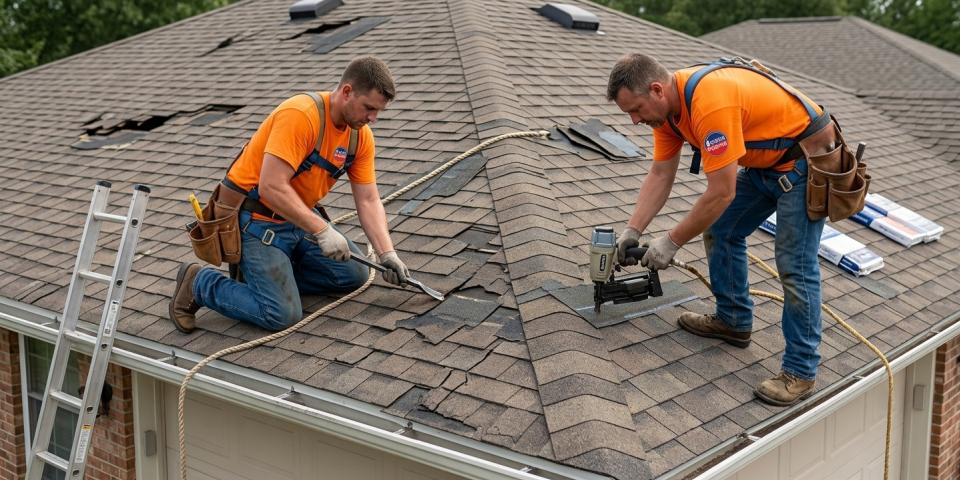
Mobile experiences frequent heavy rainfall and severe weather throughout the year. Strong storms can overwhelm drainage systems, damage roofs, or allow water to enter through windows, foundations, and exterior walls.
Even small roof leaks can introduce significant amounts of moisture into attics and wall cavities if left undetected.
Plumbing Failures
Burst pipes, leaking supply lines, broken water heaters, and damaged plumbing fixtures are among the leading causes of residential water damage.
Because plumbing failures often occur inside walls or beneath floors, homeowners may not notice the problem until extensive damage has already occurred.
Roof Leaks
A damaged roof doesn't always result in immediate ceiling leaks. Water may travel through insulation, roof framing, or wall cavities before becoming visible inside the home.
Over time, this hidden moisture can weaken structural wood and encourage mold growth.
Appliance Leaks
Household appliances can also contribute to significant water damage.
Common sources include:
- Washing machines
- Dishwashers
- Refrigerators
- Ice makers
- Water filtration systems
- HVAC condensate lines
Small appliance leaks often go unnoticed until flooring or cabinetry begins to deteriorate.
Crawl Space Moisture
Many homes throughout Mobile are built over crawl spaces, making them especially vulnerable to moisture accumulation.
Poor drainage, plumbing leaks, and high humidity can introduce excess moisture beneath the home, affecting:
- Floor joists
- Subfloors
- Support beams
- Sill plates
- Foundation components
If left untreated, these conditions may eventually require Foundation and Structural Repairs in AL.
What Does Professional Water Damage Restoration Actually Include?
Professional restoration follows a structured process that addresses every stage of water damage recovery. Each step is designed to minimize further damage while preparing the property for any necessary repairs.
Step 1: Emergency Inspection and Damage Assessment
Every successful restoration project begins with a comprehensive inspection.
Before any equipment is brought into the property, restoration professionals evaluate:
- The source of water intrusion
- Areas affected by moisture
- Safety concerns
- Structural conditions
- Category of water contamination
- Overall extent of damage
This assessment allows technicians to develop a restoration plan based on the specific conditions of the property rather than using a one-size-fits-all approach.
Early inspection also helps identify hidden issues that homeowners may not immediately notice.
Step 2: Moisture Detection and Water Mapping
One of the biggest differences between professional restoration and simple cleanup is the ability to locate hidden moisture.
Water frequently spreads behind:
- Drywall
- Baseboards
- Cabinets
- Flooring
- Insulation
- Crawl spaces
- Structural framing
To locate this hidden moisture, restoration professionals use specialized equipment such as:
- Moisture meters
- Thermal imaging cameras
- Infrared scanners
- Hygrometers
This process, often called moisture mapping, helps identify every area requiring drying—even when surfaces appear dry to the naked eye.
Finding hidden moisture early prevents long-term structural damage and mold growth.
Step 3: Water Extraction
Once the affected areas have been identified, the next priority is removing standing water as quickly as possible.
Professional restoration companies use high-capacity extraction equipment designed to remove large volumes of water efficiently.
Depending on the severity of the damage, equipment may include:
- Commercial extraction pumps
- Industrial wet vacuums
- Truck-mounted extraction systems
- Portable extraction units
Rapid water removal helps reduce additional damage to flooring, drywall, insulation, cabinetry, and structural framing.
The faster standing water is removed, the lower the overall repair costs typically become.
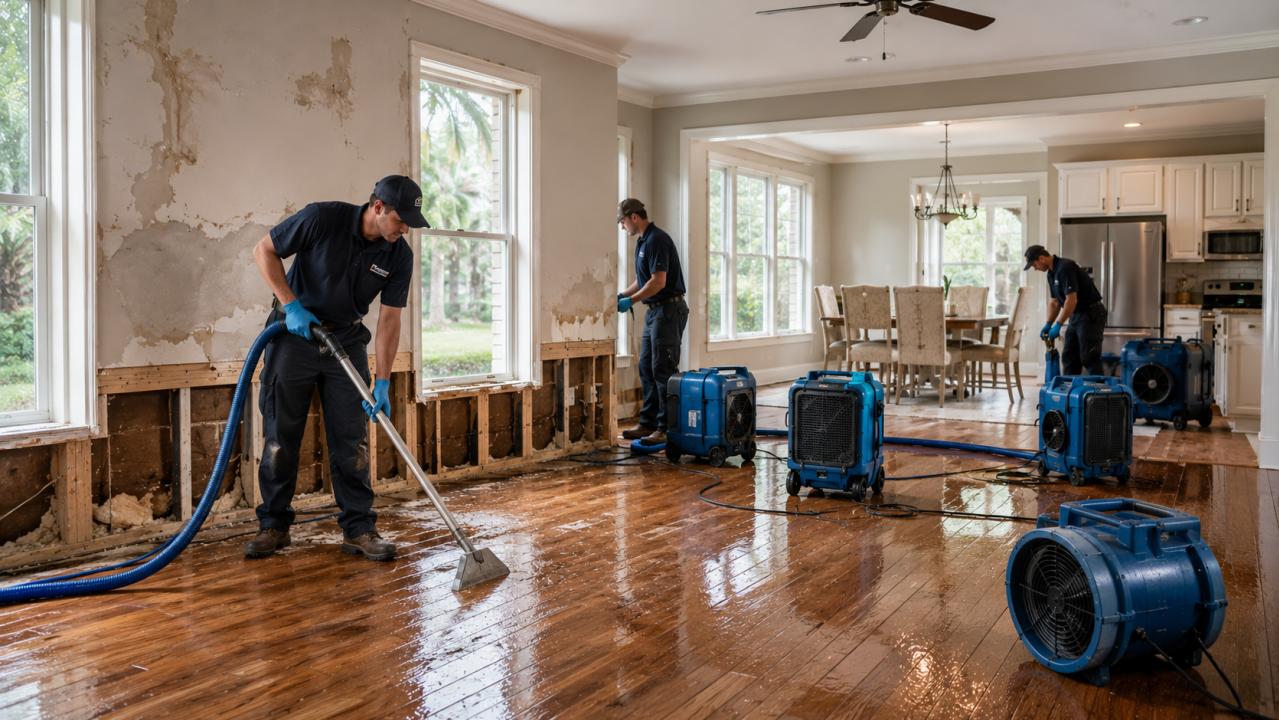
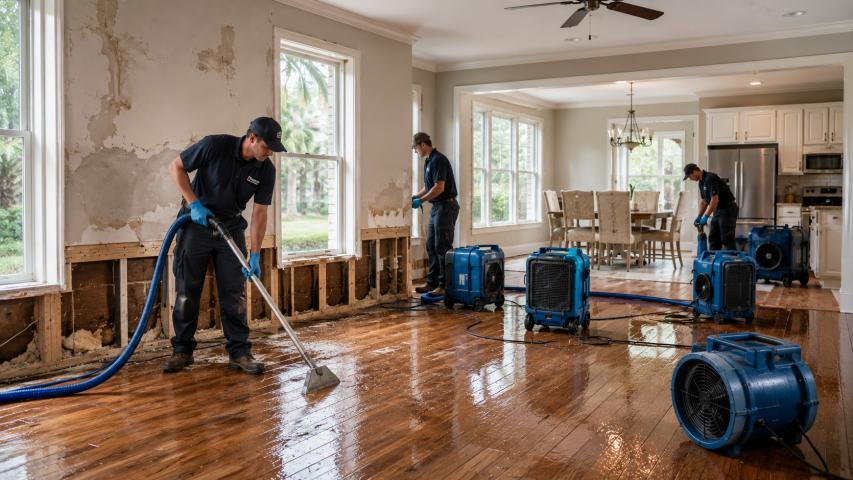
Step 4: Structural Drying and Dehumidification
After visible water has been extracted, significant moisture often remains trapped inside building materials.
Professional structural drying is one of the most important stages of the restoration process because it removes moisture that cannot be seen.
Technicians strategically position commercial equipment such as:
- High-velocity air movers
- Industrial dehumidifiers
- Drying systems for wall cavities
- Floor drying mats
- Crawl space drying equipment
Throughout the drying process, moisture readings are monitored regularly to ensure structural materials continue drying until they reach acceptable moisture levels.
Proper structural drying helps protect:
- Wall framing
- Floor joists
- Subfloors
- Roof supports
- Wooden beams
- Structural sheathing
Skipping or rushing this stage can leave hidden moisture behind, increasing the likelihood of mold growth, wood rot, and future structural deterioration.
Step 5: Cleaning, Sanitization, and Odor Removal
Once the structure has been thoroughly dried, the next stage focuses on restoring a safe and healthy indoor environment.
Water intrusion often introduces contaminants such as dirt, bacteria, sewage residue (depending on the water source), and microorganisms that can remain even after visible water has been removed.
Professional Water Damage Restoration Mobile services typically include:
- Cleaning affected surfaces
- Sanitizing contaminated materials
- Disinfecting high-risk areas
- Removing unpleasant odors
- Treating surfaces with antimicrobial products when appropriate
If the water damage resulted from storm flooding or sewer backups, additional cleaning procedures may be necessary to safely restore the property.
Removing contaminants is just as important as removing moisture because hidden bacteria and organic materials can continue affecting indoor air quality long after the water disappears.
Step 6: Mold Prevention
One of the biggest concerns after water damage is mold growth.
Under the right conditions, mold can begin developing within 24 to 48 hours after water exposure. Once established, mold spreads quickly through damp building materials and may require specialized remediation.
Professional restoration teams reduce this risk by:
- Completing structural drying quickly
- Eliminating hidden moisture
- Improving ventilation
- Applying antimicrobial treatments where appropriate
- Monitoring moisture levels until materials are fully dry
Preventing mold growth is significantly easier—and far less expensive—than removing an established infestation.
Step 7: Water Damage Repairs Mobile AL
Restoration and repairs are often confused, but they serve different purposes.
Restoration focuses on removing water, drying the structure, and preventing additional damage. Repairs restore the building materials that were damaged beyond recovery.
Depending on the severity of the water intrusion, professional Water Damage Repairs Mobile AL may include replacing or repairing:
- Drywall
- Ceiling materials
- Insulation
- Baseboards
- Interior trim
- Hardwood flooring
- Laminate flooring
- Carpet and padding
- Cabinets
- Doors
- Interior paint
- Exterior siding
In some situations, only minor cosmetic repairs are required.
In more severe cases, large portions of the home's interior may need to be reconstructed after the structure has been completely dried.
Completing repairs only after proper drying ensures that moisture is not trapped behind newly installed materials.
Step 8: Foundation and Structural Repairs in AL
Water damage doesn't always stop at flooring or drywall.
If moisture reaches the home's structural system, more extensive repairs may become necessary to restore long-term stability.
Professional restoration specialists carefully evaluate critical structural components, including:
- Floor joists
- Support beams
- Subfloors
- Wall framing
- Sill plates
- Crawl space supports
- Roof framing
- Structural columns
Long-term moisture exposure can weaken these components through wood rot, fungal decay, and loss of structural strength.
When this occurs, homeowners may require Foundation and Structural Repairs in AL to restore the home's load-bearing capacity.
Examples of structural repairs include:
- Reinforcing weakened floor joists
- Replacing rotted support beams
- Repairing damaged crawl space framing
- Restoring subfloor systems
- Replacing deteriorated sill plates
- Strengthening structural wall framing
Addressing structural damage early helps prevent more extensive reconstruction while protecting both the home's safety and property value.
Signs Your Home May Have Hidden Water Damage
Visible water is only one indicator of a larger problem.
Many homeowners don't realize hidden moisture remains inside the home until structural damage has already begun.
Some of the most common warning signs include:
Persistent Musty Odors
A damp, musty smell often indicates moisture trapped inside walls, beneath flooring, or inside crawl spaces.
Warped or Buckling Floors
Hardwood, laminate, and engineered flooring frequently expand when exposed to moisture.
Uneven flooring may indicate water has affected the subfloor beneath.
Stained Ceilings or Walls
Brown or yellow stains usually suggest ongoing moisture intrusion from roof leaks or plumbing problems.
Ignoring these stains can allow hidden structural damage to worsen.
Peeling Paint or Bubbling Drywall
When moisture becomes trapped behind painted surfaces, finishes often begin separating from the wall.
This may indicate water remains inside the building materials.
Soft Floors
Floors that feel soft, spongy, or unstable while walking may indicate moisture damage affecting the subfloor or structural framing.
Prompt inspection can help determine whether structural repairs are needed.
Doors and Windows That Suddenly Stick
Moisture can cause wood framing to expand and shift slightly.
If doors or windows suddenly become difficult to open or close, hidden water damage may be affecting the surrounding structure.
Why Professional Restoration Is Better Than DIY Cleanup
Many homeowners attempt to clean up water damage using household fans, shop vacuums, or portable dehumidifiers.
While these methods may remove visible water, they rarely address the hidden moisture that causes long-term damage.
Professional restoration offers several important advantages.
Advanced Moisture Detection
Specialized equipment locates moisture hidden inside walls, ceilings, floors, and crawl spaces.
DIY cleanup often misses these concealed areas.
Commercial Drying Equipment
Industrial air movers and dehumidifiers remove moisture much faster than residential equipment.
This reduces drying time while lowering the risk of mold growth.
Structural Expertise
Experienced restoration professionals recognize when water has affected structural components that require further evaluation or repair.
Documentation for Insurance Claims
Professional restoration companies often document moisture readings, affected materials, and completed work, helping homeowners support insurance claims when applicable.
Common Mistakes Homeowners Should Avoid
Recovering from water damage involves more than removing visible water.
Several common mistakes can increase repair costs and allow hidden damage to continue spreading.
Waiting Too Long to Begin Restoration
Delaying cleanup gives moisture additional time to penetrate structural materials, increasing the likelihood of mold growth and wood deterioration.
Repainting Before Materials Are Dry
Painting over damp drywall traps moisture inside the wall, allowing hidden damage to continue developing.
Replacing Flooring Too Soon
Installing new flooring before the subfloor has completely dried can trap moisture beneath finished surfaces.
Ignoring Crawl Spaces
Because crawl spaces are rarely visible, moisture often remains unnoticed beneath the home.
Hidden moisture in crawl spaces frequently leads to floor joist deterioration and structural problems.
Assuming the Home Is Dry Because Surfaces Feel Dry
Many building materials retain moisture internally long after their surfaces appear dry.
Professional moisture testing is the only reliable way to confirm that structural materials have dried properly.