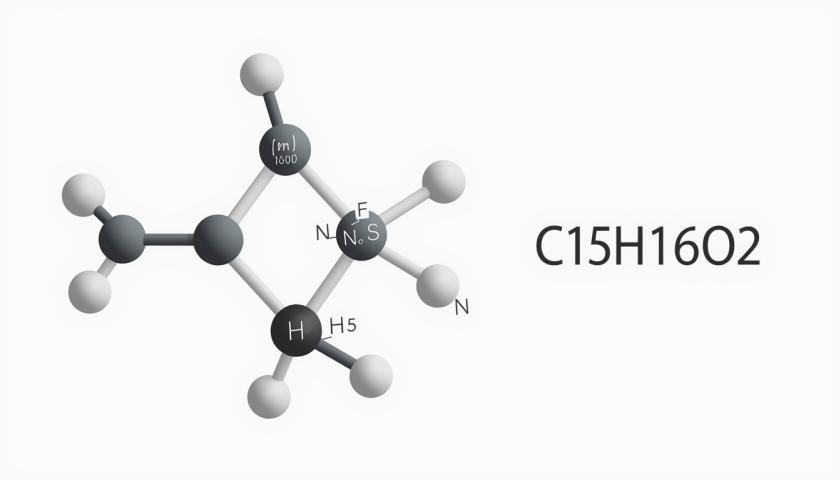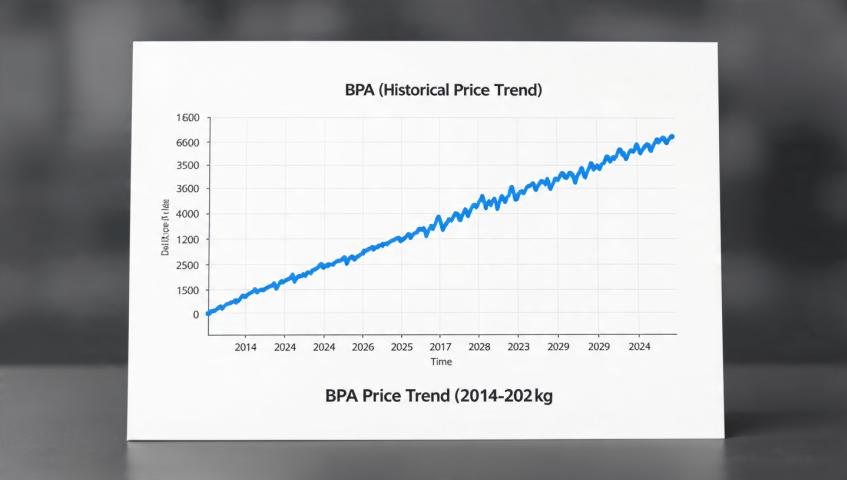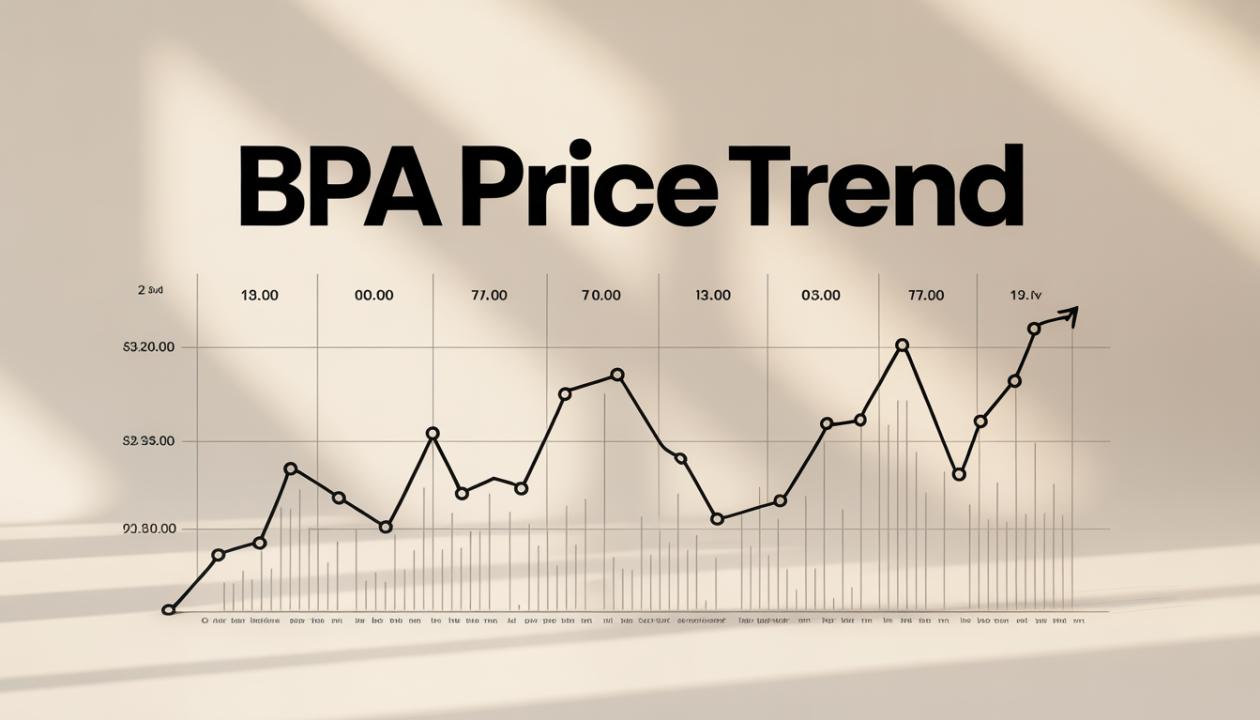
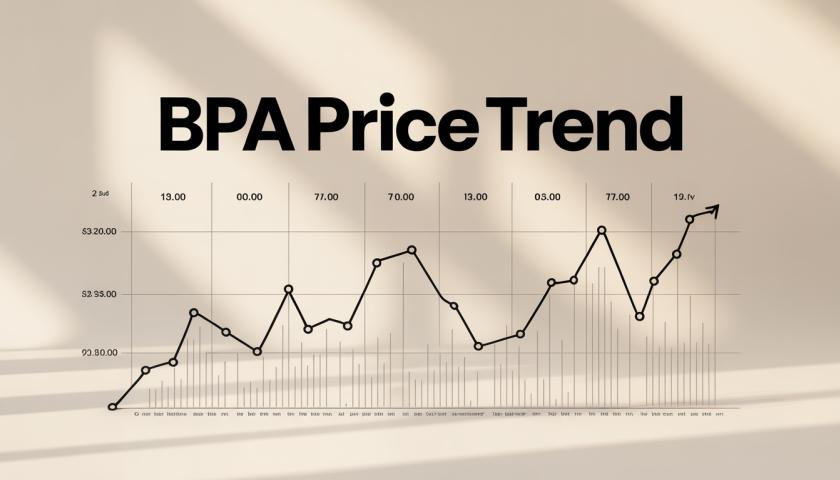
The BPA Price Trend has become an important topic for many industries that depend on plastics and resins. BPA, short for Bisphenol A, is a key chemical used in the production of polycarbonate plastics and epoxy resins. These materials are found in everyday products such as water bottles, food containers, automotive parts, and electronic components. Because BPA plays such a central role in manufacturing, even small changes in its pricing can affect many supply chains.
Understanding the Bisphenol A Price Trend does not require complex technical knowledge. In simple terms, prices move based on supply and demand, raw material costs, energy expenses, and overall economic conditions. When demand is strong and supply is tight, prices usually rise. When supply is higher than demand, prices tend to fall.
What Influences the BPA Price Trend?
The BPA Price Trend is closely linked to the cost of raw materials. BPA is mainly produced from phenol and acetone. If the prices of these raw materials increase due to crude oil fluctuations or limited production, BPA prices often follow the same direction. Energy costs also play a role, since chemical production requires a large amount of electricity and fuel.
Demand from end-use industries is another major factor shaping the Bisphenol A Price Trend. For example, when the construction or automotive sector grows, demand for polycarbonate plastics and epoxy resins increases. This pushes BPA consumption higher and may lead to price growth. On the other hand, during economic slowdowns, manufacturers may reduce production, which can weaken demand and soften prices.
Environmental regulations and safety concerns also influence the BPA Price Trend. In some regions, there have been restrictions on the use of BPA in food packaging and baby products. These regulations can affect demand patterns, especially in developed markets. However, industrial applications still support consistent global consumption.
Global Market Conditions and Their Impact
The BPA Price Trend is not limited to one country. It is shaped by global trade and regional production capacities. Asia, particularly countries like China, has a significant share of global BPA production. If there are production disruptions in major manufacturing hubs due to maintenance shutdowns, natural disasters, or policy changes, global supply may tighten and prices can rise.
Shipping and logistics also affect the Bisphenol A Price Trend. In recent years, freight costs and supply chain disruptions have caused price volatility across many chemical markets. When transportation becomes expensive or delayed, the final cost of BPA increases for importers and end users.
Currency exchange rates add another layer of complexity. Since BPA is traded internationally, fluctuations in currency values can influence import and export pricing. A weaker local currency can make imports more expensive, which may push domestic prices upward.
Short-Term vs Long-Term Price Movements
The BPA Price Trend often shows short-term fluctuations due to temporary supply or demand shifts. For example, planned plant maintenance can temporarily reduce supply and lift prices. Once production resumes, prices may stabilize or decline.
In the long term, the Bisphenol A Price Trend depends on overall industrial growth and technological development. As new applications for polycarbonate and epoxy materials emerge, demand for BPA may gradually increase. However, growing interest in sustainable and BPA-free alternatives could influence future market dynamics.
From a general market experience, chemical prices rarely stay fixed. They move in cycles. Periods of high profitability may encourage new production capacity, which can later lead to oversupply and price correction. Understanding this cycle helps buyers and sellers plan better.
Industry Response to BPA Price Trend Changes
Manufacturers closely monitor the BPA Price Trend to manage costs. Some companies enter into long-term supply contracts to reduce the risk of sudden price increases. Others adjust their inventory strategies based on expected market movements.
For small and medium businesses, the Bisphenol A Price Trend can directly affect profit margins. If raw material costs rise sharply, manufacturers may need to increase product prices or look for alternative materials. In competitive markets, passing costs to customers is not always easy, so careful planning becomes important.
Many companies also focus on improving efficiency to handle price volatility. By optimizing production processes and reducing waste, they can offset part of the impact caused by rising BPA costs.
Future Outlook of the BPA Price Trend
Looking ahead, the BPA Price Trend will likely continue to reflect global economic activity, energy prices, and environmental policies. Growing industrialization in developing regions may support steady demand. At the same time, regulatory pressure and sustainability goals could shape long-term consumption patterns.
In general experience, chemical markets respond quickly to global events. Whether it is a change in crude oil prices, a new government policy, or a shift in consumer preference, these factors can influence the Bisphenol A Price Trend.
For businesses, staying informed about market signals is essential. Monitoring supply conditions, raw material costs, and industry demand can help companies make better purchasing decisions. While price changes are often unavoidable, understanding the driving forces behind them makes it easier to adapt.
In conclusion, the BPA Price Trend is shaped by a combination of raw material costs, demand from key industries, global trade conditions, and regulatory developments. The Bisphenol A Price Trend may fluctuate over time, but with clear observation and planning, businesses can manage its impact effectively.
👉 👉 👉 Please Submit Your Query for BPA Price Trend, demand-supply, suppliers, market analysis:https://www.price-watch.ai/book-a-demo/
About Price-Watch™
Price-Watch™ is an India-based, independent price reporting agency (PRA) that provides real-time price forecasts and data-driven insights into global raw material markets. It specializes in tracking prices, analyzing market trends, and delivering timely updates on plant shutdowns, supply disruptions, capacity expansions, and demand–supply dynamics. Price-Watch™ reporting goes beyond prices to include grade-level insights, applications, and country-level demand intelligence you can trust. Powered by AI forecasting and over a decade of historical data, the Price-Watch™ platform empowers manufacturers, traders, and procurement professionals to make faster, smarter decisions and turn market volatility into actionable opportunity.
Futura Tech Park,
C Block, 8th floor 334,
Old Mahabalipuram Road,
Sholinganallur, Chennai, Tamil Nadu, Pincode - 600119.
Linkedin: https://www.linkedin.com/company/price-watch-ai/
Facebook: https://www.facebook.com/people/Price-Watch/61568490385598/
Twitter: https://x.com/pricewatchai
Website: https://www.price-watch.ai/