
Businesses often outgrow their existing platforms as customer expectations, technology, and competition continue to evolve. A well-planned migration ensures your store can scale without disrupting operations.
Following a clear eCommerce replatforming checklist helps businesses avoid common risks such as SEO loss, broken integrations, or poor user experience during migration.
This guide explains the step-by-step process of eCommerce platform migration in 2026, including strategy, technical preparation, data migration, and post-launch optimization.
Understanding eCommerce Platform Migration
eCommerce platform migration refers to moving an online store from one platform to another while maintaining data, functionality, and performance.
Businesses migrate platforms to improve scalability, performance, integrations, and overall customer experience.
Without a structured eCommerce replatforming checklist, migration projects can cause traffic drops, lost data, or checkout failures.
Common Reasons Businesses Replatform
Companies often consider migration when their current platform no longer supports growth or new features.
- Typical reasons include:
- Poor website performance
- Limited integrations
- Difficulty scaling traffic
- Security concerns
- Outdated user experience
A strategic migration ensures these limitations are resolved without affecting ongoing business operations.
Why eCommerce Replatforming Matters in 2026
The eCommerce landscape in 2026 is driven by personalization, mobile commerce, and seamless integrations.
Modern platforms support advanced features such as headless commerce, AI-powered recommendations, and omnichannel selling.
Businesses that follow a detailed eCommerce Replatforming Checklist can upgrade technology while protecting existing SEO authority and customer data.
Key Benefits of Migrating Platforms
Successful migrations provide several business advantages.
These include:
- Faster website performance
- Improved scalability
- Better integrations with marketing tool
- Enhanced checkout experience
- Improved data management
A strong migration strategy transforms the platform into a growth engine rather than just a storefront.
Start With a Clear Migration Strategy
Every migration project should begin with a defined strategy and measurable goals.
Without clear objectives, businesses risk migrating platforms without solving existing challenges.
Identify Business Goals
Start by outlining the primary reasons for migration.
These might include:
- Increasing conversion rates
- Improving site speed
- Enabling international selling
- Supporting advanced integrations
Clear goals help determine which platform best supports your long-term strategy.
Conduct a Platform Audit
Analyze the current platform to identify performance gaps and technical limitations.
Evaluate factors such as:
- Site speed and uptime
- SEO performance
- Integration capabilities
- User experience issues
This audit becomes the foundation of your migration roadmap.
Choose the Right eCommerce Platform
Selecting the right platform is one of the most important decisions during migration.
The platform must support your business needs both today and in the future.
Compare Platform Capabilities
When evaluating platforms, focus on features that support scalability and operational efficiency.
Key factors to review include:
- Customization capabilities
- Integration ecosystem
- Hosting infrastructure
- Security standards
- Performance optimization tools
Platforms like Shopify, Magento, and WooCommerce each offer different strengths depending on business requirements.
Consider Long-Term Scalability
A platform should support future expansion without requiring another migration soon.
Consider features like:
- Headless commerce compatibility
- Multi-store management
- International payment options
- Advanced analytics capabilities
Planning ahead prevents costly platform changes later.
Build a Structured eCommerce Replatforming Checklist
A structured eCommerce Replatforming Checklist ensures every migration step is planned and documented.
This checklist helps teams manage tasks across development, marketing, operations, and customer support.
Essential Elements of the Checklist
Your checklist should include the following areas:
- Data backup and preparation
- SEO preservation strategy
- Integration planning
- Design and development tasks
- Quality assurance testing
Each task should be assigned to a responsible team member with a clear timeline.
Coordinate Cross-Team Collaboration
Migration affects multiple departments.
Teams involved typically include:
- IT and development
- Marketing and SEO
- Customer support
- Operations and logistics
Collaboration ensures every aspect of the business remains functional after migration.
Prepare and Backup Existing Data
Data is one of the most critical assets during migration.
Before transferring anything, create secure backups of all store data.
Types of Data to Backup
Important data categories include:
- Product information
- Customer accounts
- Order history
- Website content
- Media files
Backing up these elements protects against accidental data loss.
Clean and Organize Data
Migration is also an opportunity to remove outdated or duplicate data.
Clean data ensures the new platform operates efficiently and maintains accurate records.
Design and Develop the New Store
After preparing data and choosing a platform, the next phase involves designing and developing the new store.
This stage focuses on creating a modern user experience while preserving brand identity.
Improve the User Experience
Customer expectations continue to rise in 2026.
Focus on designing a store that prioritizes:
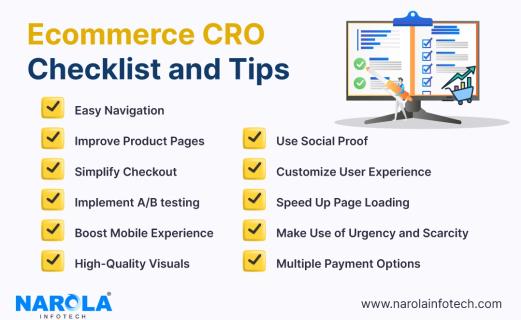
- Fast page loading
- Mobile optimization
- Intuitive navigation
- Simplified checkout process
A strong user experience directly impacts conversion rates.
Implement Modern Design Standards
Modern eCommerce design includes:
- Minimalistic layouts
- Clear product pages
- Visual storytelling
- Personalized shopping experiences
These improvements help differentiate the store from competitors.
Migrate Products, Customers, and Orders
Data migration is the most sensitive phase of the entire process.
Accuracy is essential because even small data errors can affect operations.
Migration Methods
Businesses can migrate data using two common methods.
Manual Migration
Developers transfer data through custom scripts and database exports.
Automated Migration Tools
Tools simplify the process by transferring data automatically between platforms.
Examples include:
- Cart2Cart
- LitExtension
- Next-Cart
Automated tools often reduce migration time and minimize technical complexity.
Maintain SEO Performance During Migration
SEO preservation is a major concern during platform migration.
Without proper planning, rankings and traffic may decline after launch.
Protect URL Structures
If URLs change during migration, search engines may treat them as new pages.
Implement 301 redirects from old URLs to new ones to maintain ranking signals.
Preserve Metadata and Content
Important SEO elements should remain consistent during migration.
These include:
- Meta titles and descriptions
- Header tags
- Image alt text
- Structured data markup
Maintaining these elements helps search engines understand the new website structure.
A well-planned eCommerce Replatforming Checklist always includes SEO validation before launch.
Integrate Third-Party Tools and Payment Gateways
Most eCommerce stores rely on multiple integrations for daily operations.
During migration, these integrations must be reconfigured and tested.
Essential Integrations
Common integrations include:
- CRM systems
- Email marketing platforms
- Payment gateways
- Shipping providers
- Inventory management tools
Ensuring these tools function correctly prevents operational disruptions.
Optimize the Checkout Process
Checkout optimization directly impacts revenue.
A well-designed checkout should:
- Minimize form fields
- Offer multiple payment options
- Provide transparent shipping costs
- Support mobile payments
These improvements enhance the customer experience and increase conversions.
Perform Quality Assurance and Testing
Before launching the new platform, thorough testing is essential.
Testing helps identify technical issues that could impact customers.
Functional Testing
Developers should test:
- Product pages
- Cart functionality
- Checkout processes
- Payment gateways
Every user action should be validated across devices and browsers.
Performance Testing
Performance testing ensures the site can handle traffic spikes.
- Google PageSpeed Insights
- GTmetrix
- Lighthouse
Performance optimization improves user experience and SEO.
Launch and Monitor the New Platform
The final stage of migration is launching the new store.
However, launch day is only the beginning of ongoing monitoring and optimization.
Monitor Website Performance
After launch, monitor metrics such as:
- Page load speed
- Conversion rates
- Traffic trends
- Server performance
These insights help identify issues quickly.
Track Analytics and User Behavior
Analytics tools provide valuable data about user behavior on the new platform.
Key tools include:
- Google Analytics
- Heatmap tools
- Conversion tracking platforms
Monitoring these metrics ensures the migration delivers the expected results and supports long-term eCommerce platform management.
A comprehensive eCommerce Replatforming Checklist ensures nothing is overlooked during the launch phase.
Conclusion
eCommerce platform migration is a complex process that requires careful planning, technical expertise, and cross-team coordination. Businesses that approach migration strategically can upgrade their infrastructure without disrupting growth.
Using a structured eCommerce Replatforming Checklist helps ensure that every stage of migration—from strategy and platform selection to data transfer and testing—is executed smoothly.
Successful migrations focus on maintaining SEO performance, improving user experience, and integrating essential business tools.
If your business is considering a platform switch in 2026, review your migration strategy carefully and apply the steps outlined in this guide to ensure a seamless transition.