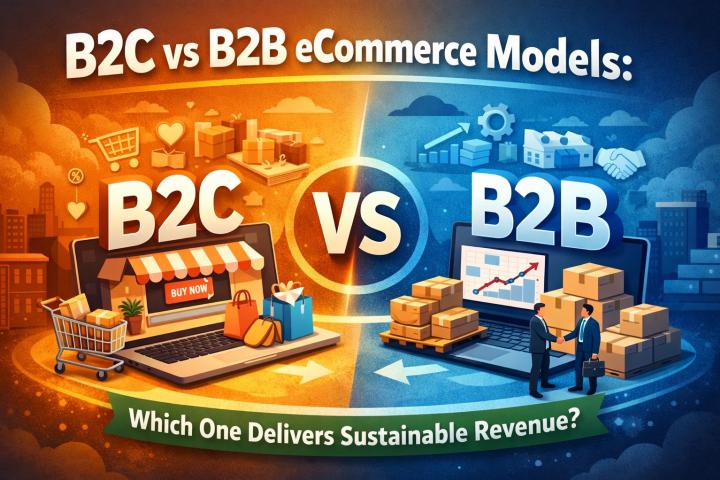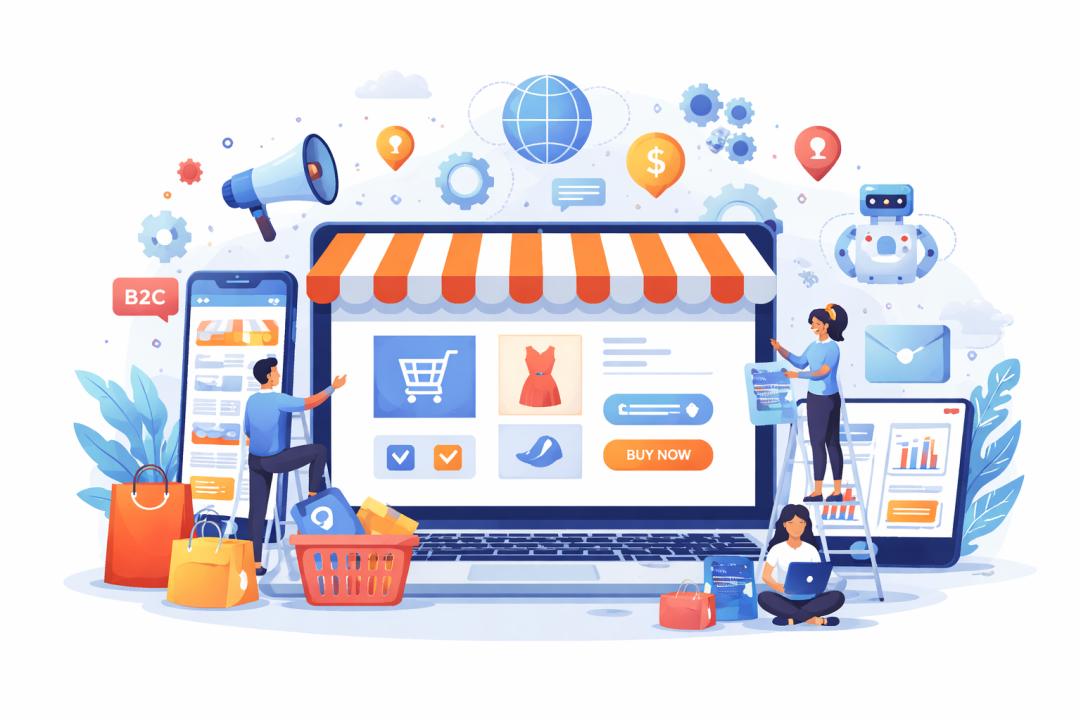
Online shopping has transformed the way people buy products and interact with brands. B2C eCommerce allows businesses to sell directly to consumers through digital platforms.
As internet access and mobile usage grow, more companies are moving their sales operations online. This shift makes it essential for businesses to understand how consumer-focused online commerce works.
This guide explains the fundamentals of B2C eCommerce, including its business models, the platforms used to build stores, and the emerging trends shaping the future of digital retail.
What is B2C eCommerce?
B2C eCommerce refers to the process where businesses sell products or services directly to individual consumers through an online platform.
Customers can browse product catalogs, compare options, and complete purchases from websites or mobile apps. The entire process—from product discovery to payment—happens digitally.
This model focuses heavily on customer experience, fast transactions, and personalized marketing strategies.
Unlike business-to-business commerce, B2C transactions usually involve smaller orders and shorter sales cycles.
Popular B2C eCommerce Business Models
Businesses use different structures to operate successfully in the B2C eCommerce ecosystem.
Choosing the right model depends on the product type, target audience, and operational resources.
Direct-to-Consumer (DTC)
The Direct-to-Consumer model allows brands to sell their products directly through their own online store.
Companies maintain complete control over branding, pricing, and customer experience without relying on intermediaries.
Many modern startups use this model to build stronger customer relationships.
Dropshipping
Dropshipping allows businesses to sell products without maintaining physical inventory.
When a customer places an order, the product is shipped directly from the supplier or manufacturer.
This model reduces upfront investment and operational costs.
Online Marketplaces
Marketplace platforms connect sellers and buyers within a single digital ecosystem.
Businesses list products on third-party platforms where consumers can browse and purchase items from multiple vendors.
This model provides access to large audiences but often includes platform fees.
Subscription-Based Commerce
Subscription commerce allows businesses to charge customers recurring fees for regular product deliveries or digital services.
Popular examples include streaming services, subscription boxes, and membership-based platforms.
Key Platforms Used for B2C eCommerce
Selecting the right technology platform is crucial for building a successful online store.
Different platforms offer varying levels of flexibility, scalability, and customization.
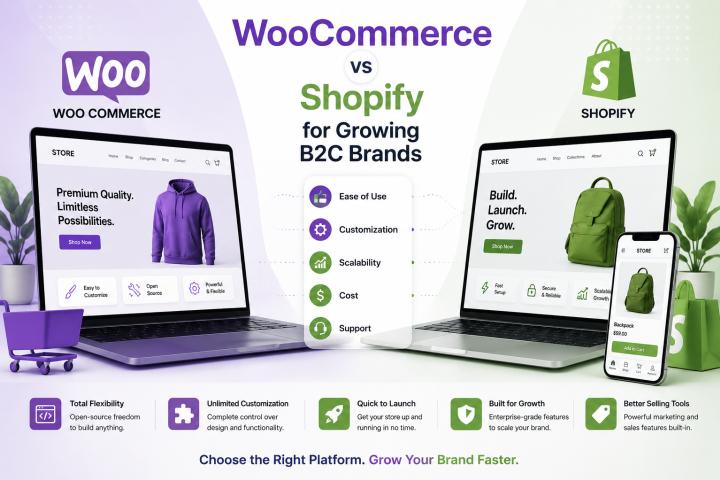
Shopify
Shopify is a popular hosted platform designed for simplicity and quick store setup.
It offers built-in hosting, security, and integrations, making it suitable for startups and small businesses.
WooCommerce
WooCommerce is an open-source plugin that converts WordPress websites into fully functional online stores.
It provides extensive customization options and is widely used by businesses seeking flexibility.
Magento (Adobe Commerce)
Magento is a powerful platform designed for businesses with advanced customization needs.
It supports large product catalogs, multiple storefronts, and complex integrations.
BigCommerce
BigCommerce is a scalable solution built for growing online stores.
It includes strong built-in features for SEO, multi-channel selling, and performance optimization.
Key Features of a Successful B2C eCommerce Store
A well-designed online store includes several essential elements that improve both usability and conversions.
These features help businesses attract customers and guide them toward completing purchases.
Key features include:
- User-friendly navigation that helps customers browse products easily
- Secure payment systems protect sensitive customer and transaction data, and businesses should also follow web security best practices to reduce vulnerabilities in online stores.
- Mobile optimization to support smartphone shopping
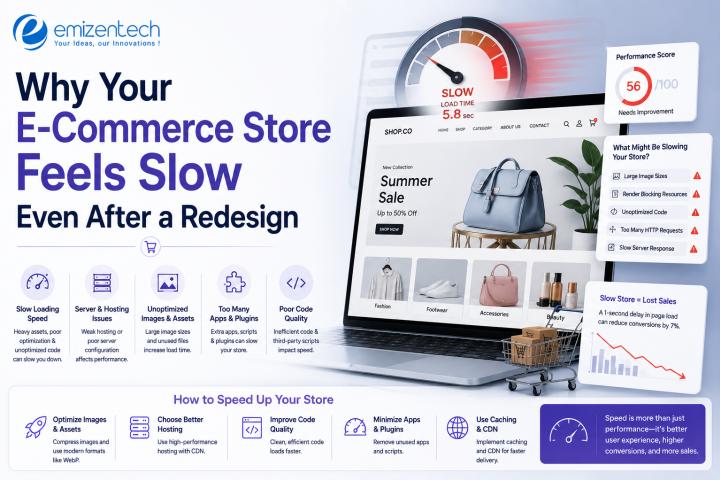
- Fast page load speed to improve user experience
- Product search and filtering tools for easier discovery
These elements collectively improve the shopping experience and help increase sales.
Benefits of B2C eCommerce for Businesses
The rapid adoption of digital shopping has made B2C eCommerce an essential strategy for modern businesses.
Online stores offer several advantages compared to traditional retail operations.
Global Market Access
Businesses can sell products to customers worldwide without opening physical stores.
This allows companies to reach new markets and expand their customer base.
Lower Operational Costs
Running an online store generally costs less than maintaining physical retail locations.
Businesses can reduce expenses related to rent, staffing, and inventory storage.
Data and Customer Insights
Digital platforms allow businesses to track user behavior and purchase patterns.
This data helps companies optimize marketing campaigns and improve product offerings.
Future Trends in B2C eCommerce
Technology continues to reshape the online shopping experience.
Businesses must adapt to emerging trends to remain competitive in the evolving B2C eCommerce landscape.
AI-Driven Personalization
Artificial intelligence helps analyze customer behavior and recommend products based on preferences.
Personalized shopping experiences increase engagement and conversion rates.
Mobile Commerce Growth
Mobile devices now account for a large portion of online purchases.
Businesses must ensure their websites and apps provide seamless mobile experiences.
Social Commerce
Social media platforms have become powerful sales channels.
Brands can now sell products directly through social media posts and integrated storefronts.
Voice Commerce
Voice assistants allow customers to search and purchase products using simple voice commands.
This technology is expected to play a growing role in digital retail.
Tips for Building a Successful B2C eCommerce Strategy
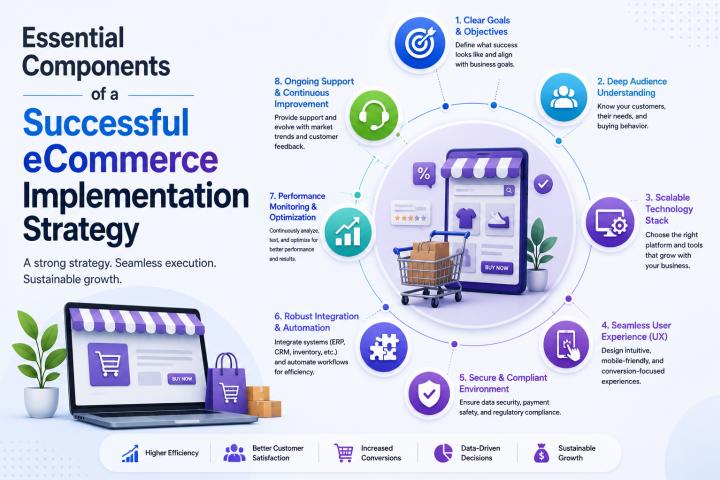
Businesses entering the B2C eCommerce market should focus on building strong foundations, including efficient eCommerce platform management to maintain performance and reliability.
Simple but effective strategies can significantly improve online store performance.
Key recommendations include:
- Conduct thorough market research before launching a store
- Choose a platform that supports long-term scalability
- Optimize product pages with high-quality images and descriptions
- Implement SEO strategies to attract organic traffic
- Use analytics tools to track customer behavior and conversions
Consistent optimization helps businesses improve both user experience and revenue growth.
Conclusion
B2C eCommerce has become one of the most powerful drivers of digital business growth. It allows companies to connect directly with customers and offer convenient online shopping experiences.
Understanding the different business models, platforms, and strategies helps businesses build stronger online stores.
Companies that focus on user experience, technology adoption, and data-driven decision making are more likely to succeed in the competitive digital marketplace.
If you are planning to launch or scale an online store, start by applying these fundamentals and continuously refining your strategy as consumer behavior evolves.