DEXs have changed the game by allowing people to trade crypto directly from their wallets, without having to trust a large, centralized company with their funds. Uniswap and other platforms have made trading easier and more transparent, giving users real control.
As interest in decentralized exchange development continues to grow, businesses are increasingly exploring how to launch secure and compliant DEX platforms similar to Uniswap.
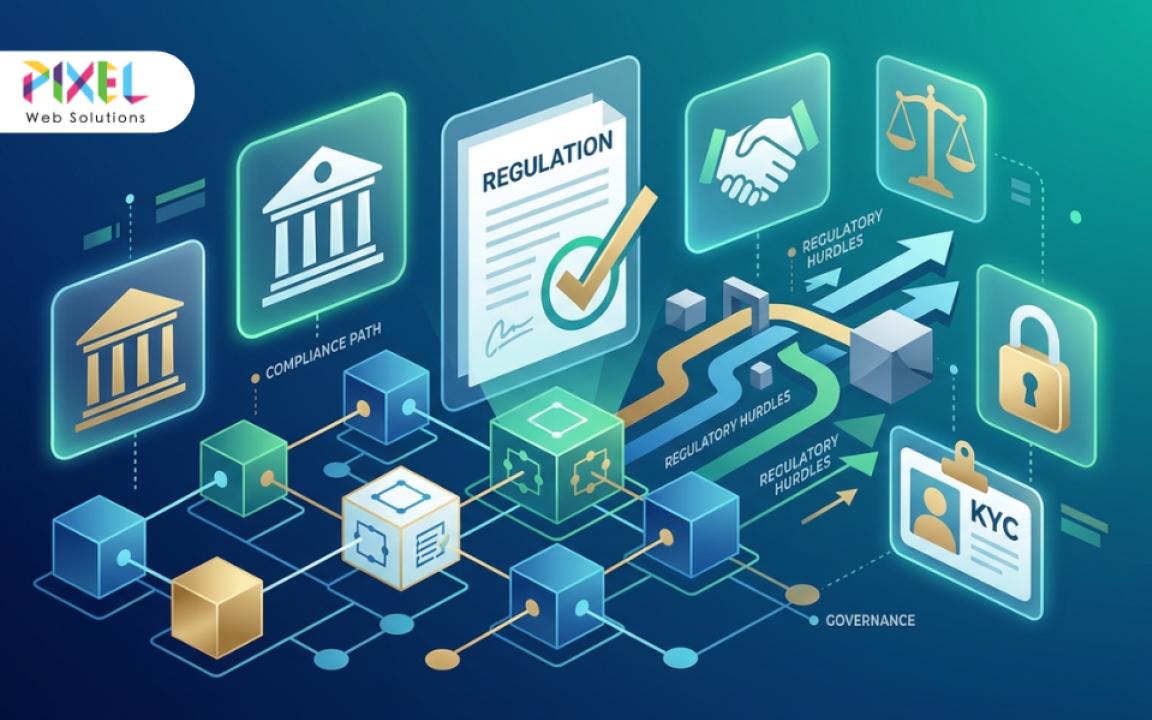
But building a decentralized exchange isn’t just about writing smart contracts or creating a slick interface. You also need to keep a close eye on the legal landscape. Regulators are paying a lot more attention to DeFi these days, and meeting compliance requirements isn’t optional if you want your exchange to last.
If you’re serious about launching a DEX like Uniswap, you need to get familiar with the relevant laws and regulations from the start. Understanding compliance is more than simply a box to check; it is the basis of your entire organization.
Why Are Legal and Compliance Considerations Important for Launching a DEX?
A decentralized exchange requires more than its blockchain system because its operation needs multiple components. Digital asset platforms require businesses to comprehend all the legal responsibilities that these platforms generate. The development of DeFi regulations requires exchanges to address their compliance needs because this process helps create secure and sustainable operations.
Some key reasons include:
- Regulatory awareness: Understanding how different regions regulate crypto and DeFi platforms.
- Licensing and registration: Ensuring the platform operates under appropriate legal structures.
- Risk reduction: Implementing AML, KYC, and security practices to minimize legal issues.
Understanding the Regulatory Landscape for Decentralized Exchanges
The international regulatory bodies today conduct more comprehensive examinations of decentralized financial systems. Authorities maintain their efforts to protect investors while ensuring financial transparency and stopping illegal activities on decentralized exchanges which operate without standard intermediary systems.
Automated smart contracts enable decentralized platforms to execute trades, which differ from the operation of centralized exchanges. Financial regulations become difficult to enforce because of the decentralized nature of this system. The unique features of DeFi platforms necessitate specific regulatory frameworks that policymakers are currently developing.
For businesses entering this space, staying informed about regulatory developments is essential to avoid legal complications.
Key Legal and Compliance Factors to Consider Before Launching a DEX
Selecting the Right Jurisdiction
Selecting the jurisdiction for launching a decentralized exchange is an essential decision. The different methods countries use to regulate cryptocurrency require businesses to select their operational locations based on which regulatory framework best supports their activities.
Businesses evaluate crypto regulations together with licensing requirements, taxation policies, and the overall business ecosystem. Organizations will achieve their long-term growth objectives through establishing operations in a jurisdiction that provides clearer crypto guidelines to reduce existing operational uncertainty.
Business Registration and Licensing Considerations
The operational framework of decentralized exchanges and blockchain protocols, yet their legal status requires operators to establish registered business entities. The establishment of a formal business structure enables organizations to maintain operational accountability while fulfilling their legal obligations.
In some regions, companies involved in digital asset services may also need licenses related to financial services or virtual asset operations. The identification of these requirements from the initial development stage will assist in avoiding future regulatory complications.
AML and KYC Compliance Requirements
Financial platforms need to comply with anti-money laundering (AML) and know-your-customer (KYC) rules, which remain essential to their operations. The authorities require organizations to establish measures that will detect and thwart activities involving money laundering and fraudulent operations.
Some decentralized platforms explore hybrid compliance models that combine blockchain transparency with optional identity verification or transaction monitoring. The two approaches work to achieve both DeFi's decentralized structure and regulatory requirements.
Data Privacy and User Protection
The decentralized exchanges operate on blockchain technology, yet they require the protection of user data. The DEX platforms gather minimal user data through their analytics systems, optional verification methods, and compliance requirements. The businesses need to secure their user data through proper protection methods while making all data handling processes visible to users.
Key practices to consider include:
- Clear privacy policies: Inform users about what data is collected and how it is used.
- Secure data management: Protect stored information with strong security practices and encryption.
- Transparent communication: Be open with users about data handling and privacy measures.
Smart Contract Security and Risk Management
Decentralized exchanges rely on smart contracts as their fundamental technology. The automated programs handle trading operations while controlling liquidity pools and implementing the governing rules of the system.
Digital asset security needs protection because smart contracts serve as the controlling mechanism for those assets. The independent audits of smart contracts identify security weaknesses while verifying the protocol's reliability before its launch.
The combination of clear documentation and transparent governance, together with risk disclosures, creates a framework that enhances user trust and maintains platform stability.
Conclusion
The decentralized exchange system brings fundamental changes to both blockchain technology and decentralized finance systems. Uniswap demonstrates that successful decentralized exchange development demands both technical skills and understanding of legal requirements and compliance methods.
Businesses need to understand legal and compliance frameworks because both aspects serve equal importance to the decentralized exchange development systems, which use blockchain technology. Organizations need to assess regulations, select appropriate jurisdictions, and establish effective compliance methods to construct enduring decentralized exchanges.
For companies aiming to build a DEX like Uniswap, aligning technological innovation with regulatory awareness is an important step toward developing reliable Web3 platforms. This approach is increasingly recognized across the blockchain industry, including by development companies such as Pixel Web Solutions.