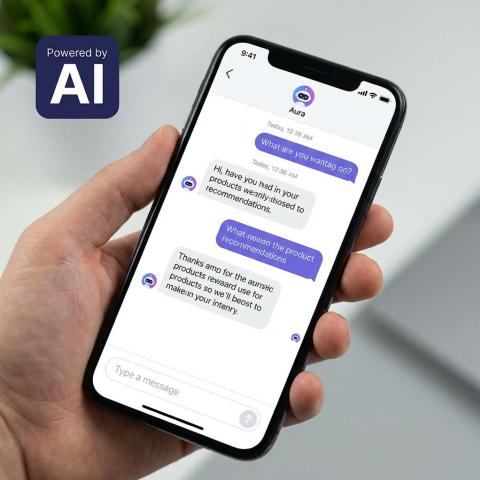

In the era of rapid digitalization, mobile applications have become a cornerstone of business innovation and growth. Organizations across industries are leveraging mobile technology to streamline operations, enhance customer engagement, and unlock new revenue streams. Collaborating with a trusted mobile app development company in houston enables businesses to design tailored solutions that align with their digital transformation goals.
As consumer behavior shifts toward mobile-first interactions, businesses must prioritize mobile strategies to stay relevant. A professional mobile app development company not only builds functional applications but also ensures they are scalable, secure, and aligned with the latest industry trends. This strategic approach empowers businesses to adapt to evolving market demands and deliver exceptional user experiences.
What is Digital Transformation in Mobile App Development?
Digital transformation refers to the integration of digital technologies into all areas of a business, fundamentally changing how it operates and delivers value to customers. Mobile apps play a critical role in this transformation by acting as a direct interface between businesses and their users.
From automating processes to providing real-time data insights, mobile applications are driving efficiency and innovation. They enable companies to respond quickly to market changes and customer needs, making them indispensable in today’s competitive landscape.
The Importance of Mobile Apps in Business Growth
Mobile apps are not just tools, they are strategic assets that contribute to long-term business success.
Improved Accessibility
Mobile apps allow users to access services anytime, anywhere. This convenience enhances customer satisfaction and increases engagement.
Data-Driven Decision Making
Apps collect valuable user data, enabling businesses to analyze behavior, preferences, and trends to make informed decisions.
Stronger Customer Relationships
Features like personalized notifications and in-app messaging help businesses maintain continuous communication with users.
Competitive Advantage
Companies with advanced mobile solutions often outperform competitors by offering faster, more efficient services.
Emerging Technologies Transforming Mobile Apps
Technology continues to reshape mobile app development. Businesses must stay informed about these innovations to remain competitive.
Artificial Intelligence Integration
AI enhances mobile apps by enabling features like chatbots, predictive analytics, and voice recognition. These capabilities improve personalization and efficiency.
Blockchain Technology
Blockchain adds an extra layer of security and transparency, making it ideal for financial and data-sensitive applications.
Cloud-Based Applications
Cloud integration allows apps to store and process data efficiently, reducing the need for heavy device storage and improving scalability.
Wearable Technology
Mobile apps are increasingly integrating with wearable devices such as smartwatches and fitness trackers, expanding their functionality.
Key Features of a Successful Mobile App
Creating a successful mobile app requires more than just coding. It involves thoughtful planning and execution.
User-Centric Design
An intuitive and visually appealing interface ensures users can navigate the app بسهولة and efficiently.
High Performance
Apps must load quickly and operate smoothly to prevent user frustration.
Security and Privacy
Protecting user data is essential. Implementing strong security measures builds trust and credibility.
Offline Functionality
Allowing users to access certain features without an internet connection enhances usability.
Regular Updates
Continuous improvements keep the app relevant and engaging.
Steps to Build a High-Quality Mobile App
Developing a mobile app involves multiple stages, each crucial to its success.
Concept Validation
Before development begins, it is important to validate the app idea through research and analysis.
Market Research
Understanding competitors and target audiences helps refine the app’s features and positioning.
Wireframing and Prototyping
Creating visual blueprints allows developers and stakeholders to visualize the app’s structure and functionality.
Development Phase
This stage includes coding, integrating features, and building the app’s backend infrastructure.
Testing and Quality Assurance
Testing ensures the app is free of bugs and performs well across different devices and platforms.
Launch and Marketing
A well-planned launch strategy helps attract users and generate initial traction.
Common Mistakes to Avoid in Mobile App Development
Even experienced developers can make mistakes that impact an app’s success. Avoiding these pitfalls is essential.
Ignoring User Feedback
User feedback provides valuable insights for improvement. Ignoring it can lead to poor user retention.
Overloading Features
Adding too many features can make the app complex and difficult to use.
Poor Performance Optimization
Slow and unresponsive apps often result in high uninstall rates.
Lack of Testing
Skipping thorough testing can lead to bugs and crashes, damaging the app’s reputation.
The Role of Mobile Apps in Customer Experience
Customer experience is a key differentiator in today’s market. Mobile apps play a vital role in shaping how users interact with a brand.
Personalization
Apps can tailor content and recommendations based on user preferences.
Instant Support
Features like chat support and FAQs provide immediate assistance to users.
Seamless Transactions
Mobile apps simplify purchasing processes, making transactions quick and convenient.
Loyalty Programs
Reward systems encourage repeat usage and strengthen customer loyalty.
Future Trends in Mobile App Development
The future of mobile app development is driven by innovation and evolving user expectations.
Voice Technology
Voice-enabled apps are becoming more popular, offering hands-free interaction.
Augmented Reality Experiences
AR is transforming industries like retail and real estate by providing immersive experiences.
Progressive Web Apps (PWAs)
PWAs combine the best of web and mobile apps, offering fast performance and offline capabilities.
Automation and Low-Code Development
Low-code platforms are simplifying app development, enabling faster deployment.
Why Businesses Should Invest in Mobile App Development
Investing in mobile app development is no longer optional, it is a necessity for businesses aiming to grow and compete effectively.
Mobile apps help businesses:
- Expand their reach to a global audience
- Improve operational efficiency
- Increase customer engagement
- Generate higher revenue
By adopting a mobile-first approach, companies can position themselves for long-term success in the digital economy.
Conclusion
Mobile app development is a powerful driver of digital transformation, enabling businesses to innovate, grow, and stay competitive. From improving customer engagement to streamlining operations, mobile apps offer countless benefits.
By embracing emerging technologies, focusing on user experience, and following best practices, businesses can create impactful mobile applications that deliver real value. The future belongs to organizations that prioritize mobility and adapt to the ever-changing digital landscape.