Generative AI Development Company for Enterprises: End-to-End Solutions
Introduction
Generative AI has become a critical tool for modern businesses looking to stay competitive. A generative AI development company provides complete solutions that help enterprises integrate artificial intelligence into their operations, automate complex processes, and create new business opportunities. These services span from initial strategy and design through deployment and ongoing support, enabling organizations to maximize the value of AI technology. Whether you need custom AI models, API integrations, or intelligent automation systems, the right development partner ensures your AI projects deliver measurable results and align with your business goals.
What Is Generative AI in the Enterprise Context?
Generative AI refers to artificial intelligence systems that can create new content, data, and solutions based on patterns learned from existing information. In an enterprise setting, this technology goes beyond simple automation—it generates text, images, code, insights, and strategies that help businesses solve complex problems faster and more efficiently than traditional methods.
For organizations, generative AI means having systems that can analyze vast amounts of business data, identify patterns humans might miss, and generate actionable recommendations. A generative AI development company specializes in building these systems to work within your specific industry, whether that's finance, healthcare, retail, or manufacturing. The technology learns from your company's unique data and processes, then produces results tailored to your operational needs rather than generic solutions.
Enterprise-level generative AI differs significantly from consumer applications. It demands higher security standards, greater reliability, and integration with existing business systems. The development process requires understanding both the technical capabilities of AI and the real-world business problems you're trying to solve.
Why Enterprises Should Invest in Generative AI Solutions
Organizations across industries are recognizing the competitive advantage that comes from AI-driven decision-making and automation. The question isn't whether to adopt generative AI, but how quickly you can implement it effectively.
Efficiency and Cost Reduction
Generative AI systems automate repetitive tasks that currently consume significant employee time and resources. Customer service teams can use AI to draft responses to common inquiries, reducing response time and allowing human agents to focus on complex issues. Document processing that once took days can happen in hours. These efficiency gains directly reduce operational costs while improving output quality.
New Revenue Opportunities
Beyond cost savings, generative AI opens doors to entirely new business models and services. You can offer AI-powered features to customers, create personalized products at scale, or develop innovative solutions that competitors haven't yet considered. A strong generative AI development company helps you identify where these opportunities exist within your market.
Better Decision-Making
AI systems process information faster and more comprehensively than human analysis alone. By generating detailed reports, forecasts, and scenario analyses, these systems give executives better data for strategic decisions. This leads to smarter resource allocation and reduced risk from poor business choices.
Improved Customer Experience
Generative AI enables truly personalized interactions at scale. You can offer recommendations, support, and products customized to each customer's specific needs and preferences. This level of personalization builds loyalty and increases customer lifetime value.
Core Components of End-to-End Generative AI Development Services
When you partner with a generative AI development company, you're accessing a full spectrum of services designed to take your project from concept to ongoing operation. Understanding these components helps you evaluate what a complete solution should include.
Strategy and Discovery
Before any development begins, your provider should conduct a thorough assessment of your business needs, existing systems, and data infrastructure. This phase identifies where AI can create the most value, what technical requirements must be met, and what challenges might arise. A strong strategic foundation prevents expensive mistakes later in the project.
Custom Model Development
Most enterprises need AI models built specifically for their use case rather than off-the-shelf solutions. Development teams create and train models using your company's data, fine-tuning them to understand your industry's terminology, processes, and requirements. This customization ensures the AI produces relevant, accurate results rather than generic output.
Data Preparation and Management
Generative AI depends on high-quality data. Development services include assessing your current data, cleaning it, organizing it, and preparing it for AI training. This often involves establishing new data pipelines and governance practices that ensure ongoing data quality as the system operates.
Integration and Deployment
Your new AI systems must work seamlessly with existing tools and workflows. Development teams integrate AI capabilities into your current software stack, whether that's your CRM, ERP, or custom applications. Proper deployment ensures the transition is smooth and doesn't disrupt ongoing operations.
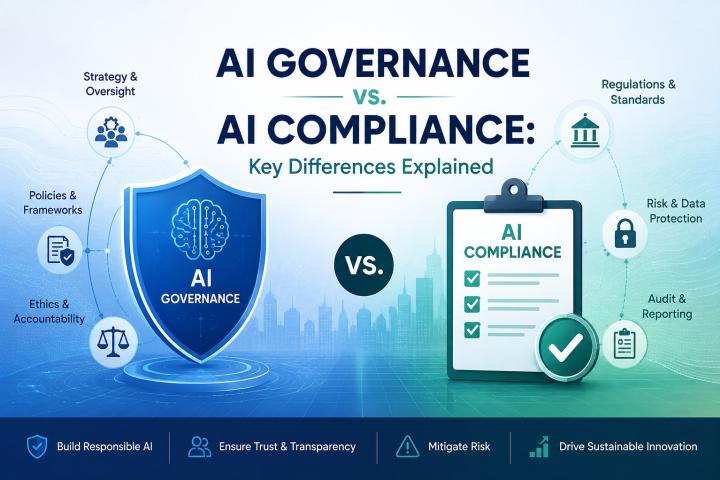
Security and Compliance
Enterprise AI must meet strict security and regulatory requirements. Development services include building security measures into the system, ensuring data privacy, and maintaining compliance with industry regulations. This is especially critical in healthcare, finance, and other heavily regulated sectors.
Training and Support
Your team needs to understand how to work with AI systems effectively. Development companies provide training, documentation, and ongoing technical support to ensure your staff can use the technology confidently and troubleshoot common issues.
Real-World Applications Across Industries
Different industries leverage generative AI in distinct ways, and a skilled development company understands these specific needs.
Financial Services
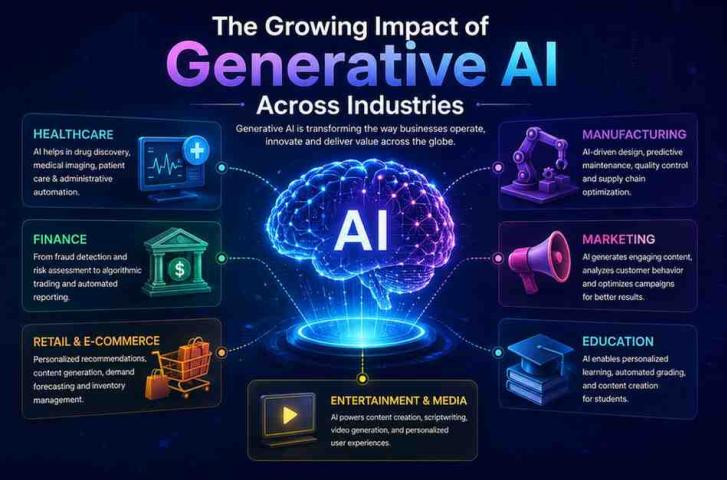
Banks and investment firms use generative AI for fraud detection, risk assessment, and client reporting. AI systems analyze transaction patterns to identify suspicious activity, generate compliance documentation automatically, and create personalized financial advice based on each client's situation. These applications reduce risk while improving customer service quality.
Healthcare and Life Sciences
Healthcare organizations use AI to analyze medical images, suggest treatment options, generate clinical notes, and accelerate drug discovery. Generative AI helps clinicians make better treatment decisions by synthesizing research data and patient history into actionable insights.
Manufacturing and Supply Chain
Production facilities use generative AI to predict equipment failures before they happen, optimize production schedules, and manage inventory more efficiently. AI systems analyze sensor data from machines to identify maintenance needs early, preventing costly downtime.
Retail and E-Commerce
Retailers use AI to generate personalized product recommendations, optimize pricing, and create marketing content automatically. AI systems analyze customer behavior to predict purchasing patterns and suggest inventory adjustments before demand changes.
Legal and Professional Services
Law firms and consultancies use generative AI to conduct legal research, draft documents, and summarize complex information quickly. This allows professionals to focus on strategy and client relationships rather than routine document preparation.
Building Your AI Implementation Strategy
Successfully implementing generative AI requires more than just good technology—it demands a thoughtful strategy that aligns with your business goals.
Start With Clear Objectives
Define what success looks like before development begins. Are you trying to reduce costs, improve quality, create new products, or all of the above? Clear objectives guide the entire development process and help measure whether the AI system delivers real value.
Assess Your Current State
A quality generative AI development company evaluates your existing systems, data quality, team capabilities, and infrastructure. This assessment identifies what's already in place that can support AI and what needs to be built from scratch.
Plan for Change Management
New AI systems change how people work. Plan how you'll train employees, adjust workflows, and manage the transition. Teams that anticipate these challenges implement AI more successfully than those that focus only on the technology itself.
Build in Monitoring and Optimization
AI systems require ongoing attention. You need ways to monitor performance, gather feedback, and make improvements. Development services should include setting up these monitoring systems and establishing processes for continuous optimization.
Think About Scaling
Start with a focused use case where you can prove value, then expand to other areas. This approach manages risk and builds organizational confidence in AI capabilities before betting the company on the technology.
Selecting the Right Development Partner
Not all AI development companies are created equal. Finding the right partner matters significantly for project success.
Look for Industry-Specific Experience
A company that understands your industry's specific challenges, regulations, and opportunities will create better solutions than one taking a purely generic approach. They know what works in your context and what pitfalls to avoid.
Evaluate Technical Depth
The team should have demonstrated expertise in machine learning, AI architecture, software engineering, and data science. They should be able to explain their approach clearly and answer detailed technical questions.
Assess Communication Skills
Technical expertise means little if the team can't explain what they're doing in terms business leaders understand. Look for companies that communicate proactively, provide clear documentation, and involve you in decision-making throughout the project.
Consider Long-Term Partnership
The best relationships extend beyond the initial implementation. Look for companies willing to provide ongoing support, optimization, and help as your needs evolve. AI systems aren't "done"—they need constant attention to deliver continued value.
Overcoming Common Implementation Challenges
Enterprise AI projects face predictable obstacles. Understanding these challenges helps you navigate them successfully.
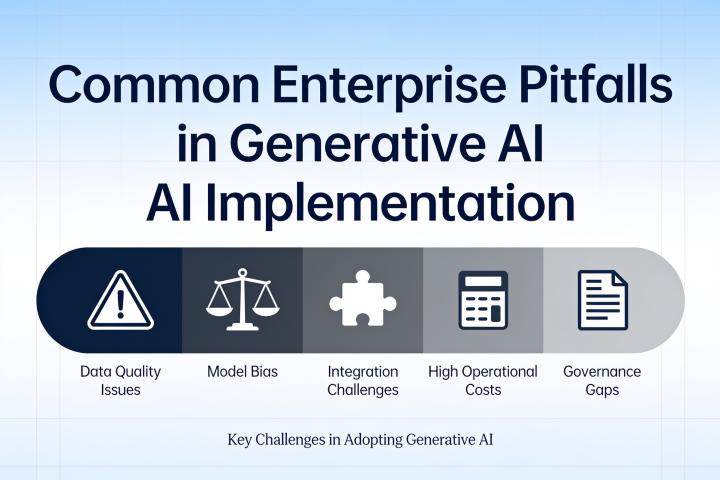
Data Quality Issues
Many organizations discover their data isn't as organized or clean as they thought. The solution involves investing in data preparation upfront and establishing governance practices that maintain quality over time.
Skills and Talent Gaps
Building and maintaining AI systems requires specialized skills that are in short supply. Plan to invest in training your team or partnering with companies that provide these skills as part of their service.
Integration Complexity
Connecting AI systems to existing software can be technically challenging, especially in organizations with legacy systems. Experienced development partners have strategies for managing this complexity.
Organizational Resistance
Some employees worry about job security or are skeptical about AI's benefits. Addressing these concerns through clear communication and training helps with adoption and success.
The Future of Enterprise AI
Generative AI continues to evolve rapidly. New capabilities emerge regularly, opening possibilities that weren't feasible just months earlier. Organizations that establish strong AI capabilities now position themselves to capitalize on these advances. The companies that lead their industries in five years will likely be those that adopted and learned to work with AI early.
As AI becomes more sophisticated, the competitive advantage shifts from simply having the technology to using it strategically. Working with a generative AI development company that stays current with industry trends ensures your solutions remain relevant and effective.
Conclusion
Generative AI development services provide enterprises with the complete solutions needed to leverage this transformative technology. From strategy and custom model development through deployment and ongoing optimization, a comprehensive approach addresses all the technical, organizational, and business challenges that come with AI implementation.
The most successful enterprises view AI not as a technology project, but as a business capability that requires strategic thinking, skilled partners, and organizational commitment. By working with an experienced generative AI development company that understands your industry and your goals, you gain the advantage of proven approaches, reduced risk, and faster time to value.
The question now is not whether to implement generative AI, but how quickly you can do so responsibly and effectively. The right development partner makes all the difference in turning AI potential into measurable business results. Build Smarter with Generative AI, Start Your Project Today.