The retail industry is undergoing a massive transformation, driven by rapid advancements in artificial intelligence (AI). From personalised shopping experiences to efficient inventory management, AI-powered tools are helping retailers operate smarter, faster, and more profitably. Businesses that partner with the Best AI development company are gaining a competitive edge by leveraging intelligent systems tailored to their needs.
In this article, we explore the best AI-powered tools revolutionising retail services and why they are essential for modern businesses.
The Growing Role of AI in Retail
Retailers today face increasing pressure to meet evolving customer expectations while managing complex operations. AI addresses these challenges by automating processes, analysing data, and delivering actionable insights.
The rise of Top AI Solutions for Retail Services has enabled businesses to enhance customer engagement, optimise supply chains, and improve decision-making. At the same time, AI Services in e-commerce are redefining how online stores attract, convert, and retain customers.
Key AI-Powered Tools Transforming Retail
1. AI Chatbots and Virtual Assistants
Customer service is one of the most critical aspects of retail. AI-powered chatbots and virtual assistants provide instant support, answering customer queries, guiding purchases, and resolving issues in real time.
These tools operate 24/7, ensuring that customers always have access to assistance. They also learn from interactions, becoming more accurate and personalised over time. This not only improves customer satisfaction but also reduces operational costs.
2. Personalised Recommendation Engines
One of the most powerful applications of AI in retail is personalisation. Recommendation engines analyse customer behaviour, purchase history, and browsing patterns to suggest relevant products.
This technology is widely used in AI Services in e-commerce, where personalised suggestions significantly boost conversion rates and customer loyalty. By delivering tailored experiences, retailers can create stronger connections with their audience.
3. Inventory Management Systems
Managing inventory efficiently is a major challenge for retailers. AI-powered inventory management systems use predictive analytics to forecast demand, optimise stock levels, and reduce waste.
These tools help businesses avoid overstocking or stockouts, ensuring that the right products are available at the right time. This leads to better resource utilisation and improved profitability.
4. Dynamic Pricing Tools
Pricing plays a crucial role in retail success. AI-driven dynamic pricing tools analyse market trends, competitor pricing, and customer demand to adjust prices in real time.
This allows retailers to remain competitive while maximising revenue. Dynamic pricing is especially valuable in fast-moving industries where pricing strategies need to adapt quickly.
5. Visual Search and Image Recognition
Visual search technology enables customers to find products using images instead of text. By uploading a photo, users can instantly discover similar items.
This tool enhances the shopping experience and simplifies product discovery. It is particularly useful in fashion and home décor retail, where visual appeal plays a significant role in purchasing decisions.
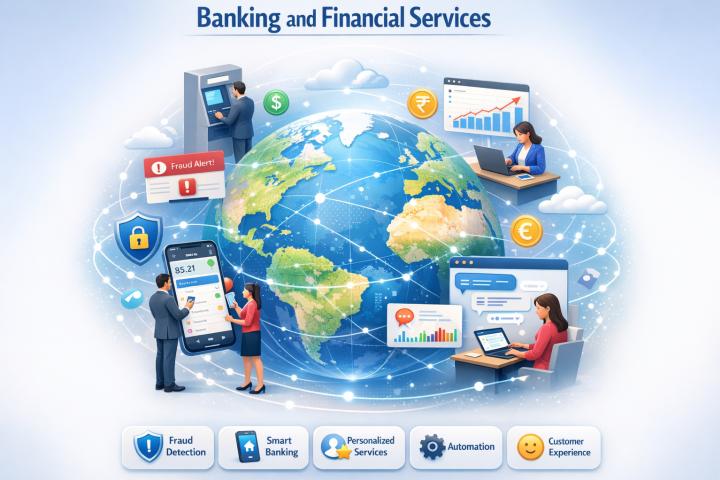
6. Fraud Detection and Security Tools
As retail becomes increasingly digital, security has become a top priority. AI-powered fraud detection systems monitor transactions and identify suspicious activities in real time.
These tools use machine learning algorithms to detect patterns and anomalies, helping prevent fraud and protect customer data. This builds trust and ensures a secure shopping environment.
7. Customer Behaviour Analytics
Understanding customer behaviour is essential for making informed business decisions. AI tools analyse data from multiple sources to provide insights into customer preferences, buying patterns, and trends.
Retailers can use this information to refine marketing strategies, improve product offerings, and enhance the overall customer experience.
Benefits of Using AI in Retail
Improved Customer Experience
AI enables retailers to deliver personalised, seamless, and engaging experiences. From tailored recommendations to instant support, customers receive the attention they expect.
Increased Efficiency
Automation reduces the need for manual intervention, allowing employees to focus on strategic tasks. This improves productivity and streamlines operations.
Data-Driven Decision Making
AI provides actionable insights that help retailers make smarter decisions. By analysing large datasets, businesses can identify opportunities and mitigate risks.
Cost Savings
AI-powered tools reduce operational costs by automating processes and improving accuracy. This leads to better resource allocation and higher profitability.
Why Retailers Need AI Now
The retail landscape is more competitive than ever. Customers expect convenience, personalisation, and speed, and businesses must adapt to meet these demands.
By adopting Top AI Solutions for Retail Services, retailers can stay ahead of the curve and deliver exceptional value. Collaborating with the AI development company ensures access to cutting-edge technologies and customised solutions.
Moreover, the integration of AI Services in e-commerce has become essential for online retailers looking to scale and succeed in a digital-first world.
Challenges to Consider
While AI offers numerous benefits, implementing it comes with challenges:
Integration with existing systems
Data privacy and security concerns
Initial investment costs
Need for skilled professionals
However, these challenges can be effectively addressed with the right strategy and expert guidance.
The Future of AI in Retail
The future of retail lies in intelligent automation and hyper-personalisation. Emerging technologies such as voice commerce, augmented reality, and advanced analytics will further enhance the shopping experience.
AI will continue to evolve, offering even more sophisticated tools to help retailers understand their customers and optimise their operations.
Conclusion
AI-powered tools are transforming retail services by making them smarter, more efficient, and highly customer-centric. From chatbots to predictive analytics, these technologies are redefining how businesses operate and engage with their customers.
Retailers that invest in AI today will be better positioned to thrive in the future. By partnering with the AI development company and leveraging Top AI Solutions for Retail Services, businesses can unlock new opportunities and drive sustainable growth.
In a world where customer expectations are constantly rising, embracing AI is no longer optional; it is essential.